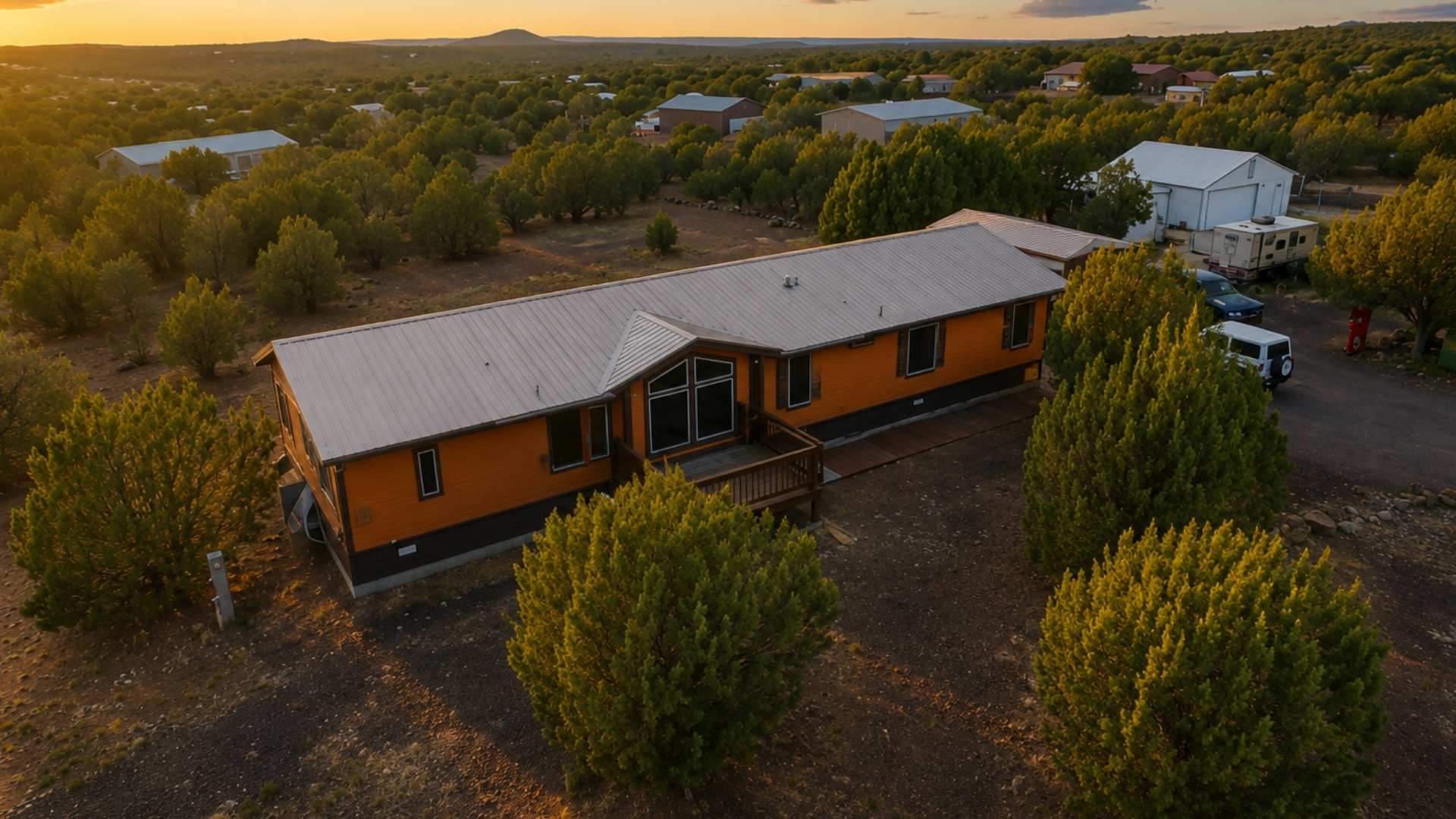
A beautiful mountain home can check nearly every box and still create a major problem if you discover after closing that the internet connection does not support your work, streaming, security system, or daily communication.
Connectivity is now part of real estate due diligence.
That is especially true in rural areas where service can vary dramatically over relatively short distances.
Do Not Assume the Neighbor’s Service Is Available
Internet availability can be surprisingly property-specific.
A provider may serve one side of a road but not another. Infrastructure may stop before reaching a particular parcel. A service shown as available for a ZIP code may not actually be offered at the exact address.
Before purchasing, buyers should verify service directly with providers using the property address.
Even better, ask the seller what service is currently installed and what speeds they typically experience.
Advertised Speed and Real-World Performance Can Differ
An advertised maximum speed does not necessarily mean that speed will be consistently available.
Network congestion, equipment, weather, distance from infrastructure, trees, terrain, and the technology being used can all affect performance.
Remote workers should think in terms of actual needs.
Video conferencing, large file transfers, cloud software, streaming, gaming, remote security cameras, and multiple connected users may require more reliable performance than basic email and web browsing.
Cell Coverage Should Be Tested at the House
Coverage maps are useful but should not replace a physical test.
Mountain terrain can create pockets of strong and weak reception.
A phone may work perfectly near the main road and struggle inside the house. Different carriers can also perform differently at the same location.
During a showing or inspection, buyers can test calls and data from several parts of the property.
If dependable cellular service is essential, that simple step is worth the effort.
Consider Backup Connectivity
Some rural homeowners use more than one connection method.
For example, a primary internet service may be supported by cellular data or satellite-based service as a backup.
Remote workers, business owners, and people who depend on internet-connected medical or security devices may place additional value on redundancy.
The right solution depends on the location and service options available.
Trees and Terrain Matter
The same pine trees that create a beautiful setting can sometimes affect wireless or satellite-based systems.
Terrain may also influence line-of-sight technologies and cellular performance.
Buyers considering satellite or fixed-wireless service should understand equipment placement requirements before assuming the property will perform like another nearby home.
Ask About Equipment Ownership
If a property includes internet equipment, determine whether that equipment belongs to the seller or the service provider.
Routers, antennas, satellite hardware, cabling, boosters, or mounted equipment may or may not remain with the property.
Clarifying ownership prevents confusion after closing.
Security and Smart-Home Systems Need Connectivity Too
Internet performance now affects much more than laptops and televisions.
Doorbell cameras, thermostats, leak detectors, security systems, garage controls, lighting, and remote monitoring may rely on consistent connectivity.
That becomes especially important for second-home owners who want to monitor a White Mountains property while they are away.
A weak or unstable connection can limit the usefulness of those systems.
Remote Workers Should Test Before Buying
For someone who works from home, connectivity is not simply a convenience. It can be a requirement for earning income.
If possible, buyers should confirm service before the inspection period ends.
Ask providers about installation timelines as well. Availability does not always mean immediate activation.
Someone planning to move and begin working the following day should know whether installation requires additional lead time.
Connectivity Can Affect Future Marketability
Reliable high-speed internet can broaden a rural property’s appeal.
A cabin that works equally well as a weekend escape and a remote-work base may appeal to a larger pool of future buyers.
Conversely, limited connectivity may not bother buyers seeking a disconnected retreat, but it could reduce interest among people who expect modern work-from-home capabilities.
Understanding the situation helps buyers evaluate both lifestyle and resale considerations.
Final Thoughts
Internet and cell coverage rarely appear at the top of a property listing, yet they can have an enormous impact on everyday life.
Buyers should verify rather than assume.
Check the exact address, test cellular reception, talk with providers, understand equipment requirements, and think realistically about how the property will be used.
In rural Arizona, good due diligence includes the digital infrastructure as well as the physical house.
Stefan and Kim Wehnau can help buyers identify the practical questions that matter when comparing properties throughout the White Mountains.
Call or text: 928-242-9677
Email: WeKnowAZRE@gmail.com