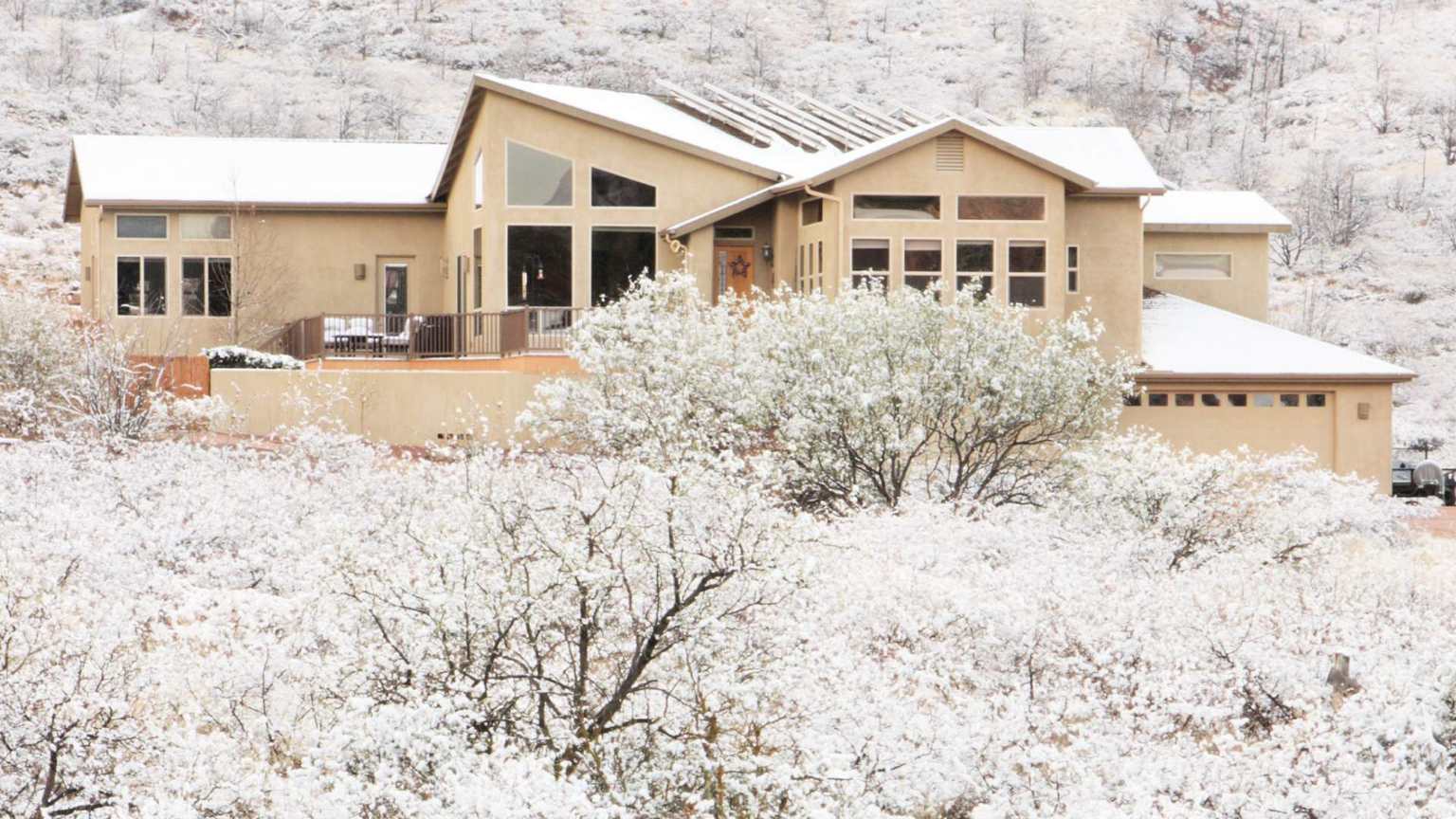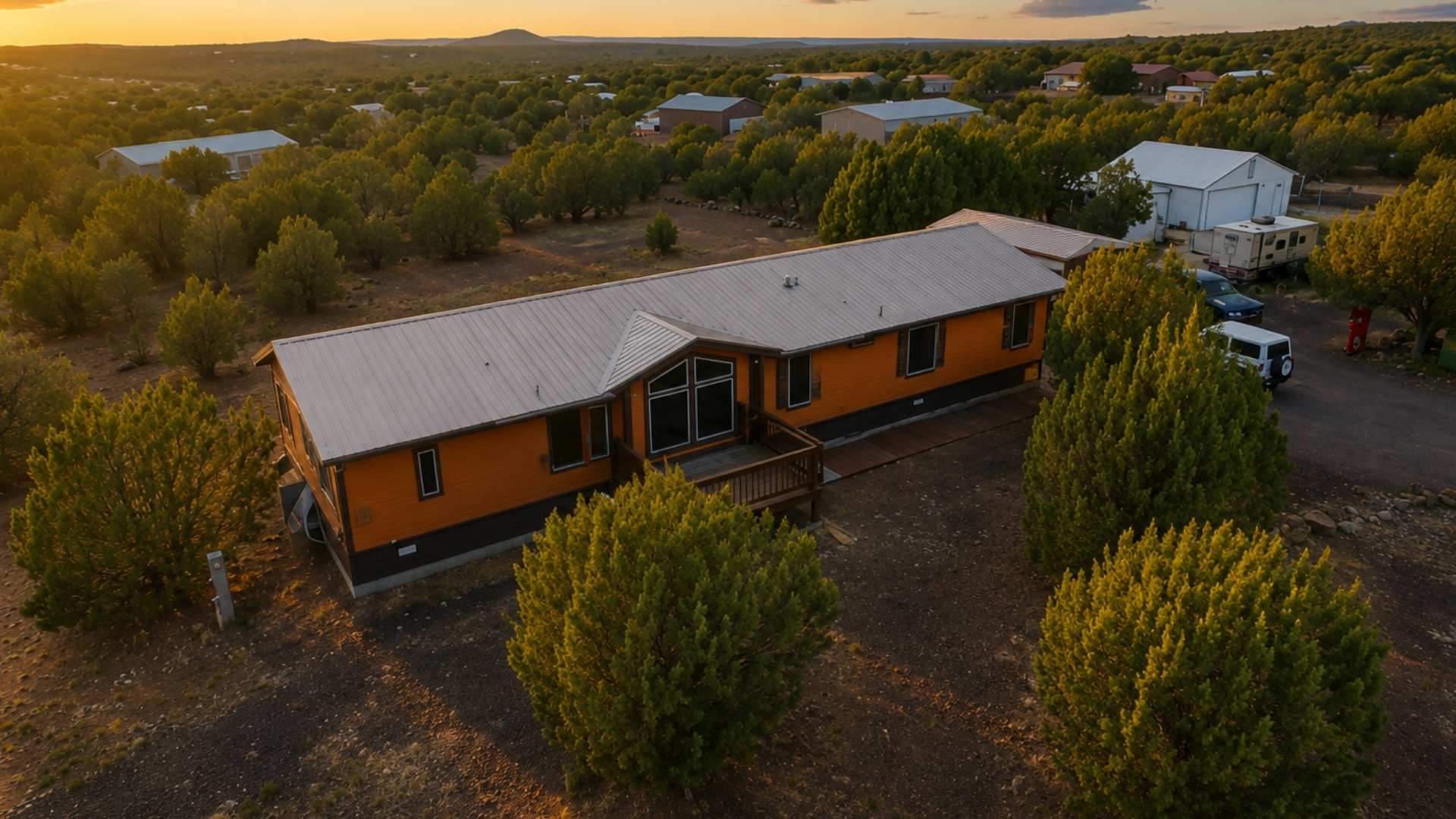
Manufactured homes are an important part of the housing market in many rural and mountain communities across Arizona, including Navajo County and Apache County. For buyers looking in the White Mountains, a manufactured home can sometimes offer more space, more land, or a more affordable path into ownership than a traditional site-built home.
But like any property type, manufactured homes require careful review. A well-maintained manufactured home on owned land can be a strong fit for the right buyer. A poorly maintained home, a home with unclear title issues, or a home with financing limitations can create challenges. The key is understanding what you are buying before you make a decision.
Why Buyers Consider Manufactured Homes
One of the biggest reasons buyers consider manufactured homes is affordability. In many markets, manufactured homes can offer a lower purchase price than comparable site-built homes. That can be especially helpful for first-time buyers, retirees, second-home buyers, or anyone trying to stretch their budget in a competitive market.
Manufactured homes may also come with larger lots, rural settings, or more privacy than buyers could afford with other property types. In Navajo and Apache County, that can mean room for vehicles, pets, gardens, outdoor living, workshops, or simply more open space.
For some buyers, the appeal is practical. They want a comfortable home in the White Mountains without paying a premium for a newer cabin, custom home, or resort-style property. A manufactured home can be a smart solution when the condition, land, financing, and long-term plans all make sense.
Manufactured Home vs. Mobile Home: Understanding the Terms
Buyers often hear the terms manufactured home, mobile home, modular home, and factory-built home used interchangeably. They are not always the same thing.
A manufactured home is built in a factory and transported to the property. Modern manufactured homes are built to federal HUD standards. Older homes, especially those built before mid-1976, may be treated differently by lenders, insurers, and appraisers.
A modular home is also built in sections in a factory, but it is typically constructed to local or state building codes and then assembled on a permanent foundation. Modular homes are often treated more like site-built homes for financing and appraisal purposes.
The terminology matters because it can affect financing, insurance, resale, inspections, and value. Buyers should confirm exactly what type of home they are considering and how it is classified.
Land Ownership Is One of the Most Important Questions
When buying a manufactured home, one of the first questions is whether the land is included. A manufactured home on owned land is very different from a home located in a rented space or park.
If the buyer owns both the home and the land, the property may function more like a traditional real estate purchase. The land itself may add long-term value, provide more control, and make the property more flexible.
If the home sits on leased land, buyers need to understand the lease terms, monthly space rent, park rules, transfer requirements, age restrictions, pet restrictions, and whether rent may increase. A lower purchase price can look attractive, but monthly land rent and community rules should be part of the full cost calculation.
In rural areas of Navajo and Apache County, many manufactured homes are located on privately owned lots or acreage. Still, buyers should never assume. Always verify land ownership, title, and how the property is legally described.
Financing Can Be Different
Financing is one of the biggest differences between buying a manufactured home and buying a site-built home. Lender requirements may depend on the age of the home, foundation type, whether the land is included, whether the home has been moved, and whether it is classified as real property.
Some manufactured homes may qualify for traditional mortgage financing if they meet lender guidelines. Others may require specialized manufactured home loans, personal property loans, cash purchases, or different financing structures.
Buyers should speak with a lender early, ideally before touring homes seriously. Not every lender handles manufactured homes, and not every manufactured home will qualify for every type of loan. Waiting until after an offer is accepted can create delays or disappointment.
The most important step is to match the buyer, the lender, and the property type correctly from the beginning.
Foundation and Installation Matter
The foundation is a major issue with manufactured homes. Buyers should ask whether the home is on a permanent foundation, whether the foundation has been inspected or certified, and whether it meets lender requirements.
A manufactured home that appears stable and attractive may still need additional review if financing is involved. Foundation certifications, tie-downs, skirting, piers, crawl space access, grading, and drainage may all come into play.
Installation quality can also affect long-term performance. Buyers should look for signs of settling, uneven floors, moisture problems, poorly sealed skirting, drainage issues, or damage around the base of the home.
A proper inspection is important. Manufactured homes have unique systems and construction details, and the inspection should reflect that.
Age and Condition Affect Value
The age of a manufactured home can make a big difference. Newer homes may have more modern layouts, better energy efficiency, improved construction standards, and broader financing options. Older homes may still be livable and appealing, but they may require more scrutiny.
Buyers should look at roof condition, siding, windows, flooring, plumbing, electrical systems, HVAC, insulation, skirting, decks, porches, and any additions. They should also ask whether additions were permitted and properly built.
In mountain and rural areas, weather exposure matters. Snow, wind, sun, freezing temperatures, and seasonal moisture can all affect the home over time. A home that has been well maintained may perform far better than one that has been neglected.
Condition should matter more than cosmetics. Fresh paint and new flooring can be nice, but buyers should pay close attention to the structure, systems, roof, foundation, and utility setup.
Utilities Can Vary by Property
Manufactured homes in Navajo and Apache County may be served by different utility arrangements depending on location. Some properties may have municipal water and sewer. Others may use private wells, shared wells, hauled water, septic systems, propane, electric service, solar, or other rural utility setups.
Buyers should understand exactly what serves the home. Water source, septic condition, propane service, internet availability, road maintenance, trash service, and winter access can all affect daily life.
This is especially important for out-of-area buyers who are used to city utilities. A rural manufactured home may offer space and affordability, but it may also require more hands-on ownership.
Before purchasing, buyers should ask for available records, inspections, service history, and utility cost information when possible.
Insurance Should Be Checked Early
Insurance for manufactured homes can vary based on age, condition, location, foundation, roof type, wildfire exposure, and whether the home is considered real property or personal property. Buyers should not wait until the last minute to confirm coverage.
A home may be affordable to purchase but more expensive to insure than expected. In some cases, older homes or homes in higher-risk areas may require more shopping around.
Buyers should contact insurance providers early and provide accurate details about the property. This includes the year built, size, foundation, roof, heat source, location, land ownership, and any additions or outbuildings.
Sellers can help by having maintenance records, title information, and property details organized before listing.
Manufactured Homes and Resale
A manufactured home can be a smart purchase, but buyers should think about resale from the beginning. Some manufactured homes hold value better than others based on location, land ownership, condition, age, financing availability, and buyer demand.
A manufactured home on owned land in a desirable area may appeal to a wider pool of buyers than a home on leased land or a home with limited financing options. A well-maintained home with a permanent foundation, clear title, good access, and reliable utilities will generally be easier to sell than one with unresolved issues.
Buyers should ask themselves who the future buyer might be. Will the home appeal to retirees, first-time buyers, second-home owners, investors, or rural lifestyle buyers? The more flexible the property is, the stronger its resale potential may be.
When a Manufactured Home Can Be a Smart Buy
A manufactured home can be a smart buy when the purchase price makes sense, the home is in good condition, the land situation is clear, the financing is workable, and the property matches the buyer’s lifestyle.
It may be especially attractive for buyers who want more land, a quieter setting, a lower price point, or a practical home base in the White Mountains. It can also work well for buyers who are less concerned with luxury finishes and more focused on comfort, space, and value.
For some buyers, a manufactured home can be the difference between continuing to rent and becoming a homeowner. For others, it can provide an affordable second home or seasonal getaway.
The key is not to assume that all manufactured homes are alike. Some are excellent opportunities. Others may be difficult to finance, insure, maintain, or resell.
When Buyers Should Be Cautious
Buyers should be cautious when a manufactured home has unclear title history, poor maintenance, roof problems, foundation concerns, unpermitted additions, water damage, weak access, unknown septic or well conditions, or limited financing options.
They should also be cautious if the home has been moved multiple times, if the land is not included, if the space rent is high, or if community rules are restrictive. None of these factors automatically make a property a bad purchase, but they should be understood before moving forward.
A low price alone is not enough. Buyers should calculate the full cost of ownership, including repairs, utilities, insurance, financing, land rent if applicable, maintenance, and future resale considerations.
Seller Tips for Manufactured Homes
Sellers can improve buyer confidence by preparing clear information before listing. Useful items may include title documents, year built, manufacturer details, foundation information, utility records, septic records, well information, roof age, HVAC service history, insurance details, and permits for additions if available.
Presentation also matters. A clean exterior, well-maintained skirting, safe steps, trimmed vegetation, organized utility areas, and tidy outdoor spaces can make a manufactured home feel more cared for.
Sellers should be honest about the home’s classification, land status, and financing possibilities. Clear information can reduce confusion and help attract buyers who are the right fit for the property.
Questions Buyers Should Ask
Buyers considering a manufactured home in Navajo or Apache County should ask whether the land is included, whether the home is classified as real property, what year it was built, whether it has been moved, what type of foundation it has, and whether financing is available.
They should also ask about water source, septic or sewer, propane, electric service, internet options, road maintenance, insurance availability, roof condition, heating and cooling systems, and any additions or outbuildings.
A good manufactured home purchase starts with good questions. The more buyers understand before making an offer, the easier it is to make a confident decision.
Final Thoughts
Manufactured homes can be a smart buy in Navajo and Apache County, especially for buyers looking for affordability, space, rural settings, or a practical path into White Mountains ownership. They can offer real value when the home is well maintained, the land situation is clear, and the property fits the buyer’s long-term goals.
At the same time, manufactured homes require careful due diligence. Financing, insurance, foundation, utilities, age, condition, title, and resale should all be reviewed before moving forward.
For the right buyer, a manufactured home can be more than an affordable option. It can be a comfortable home, a peaceful retreat, or a smart entry point into Arizona’s White Mountains real estate market.