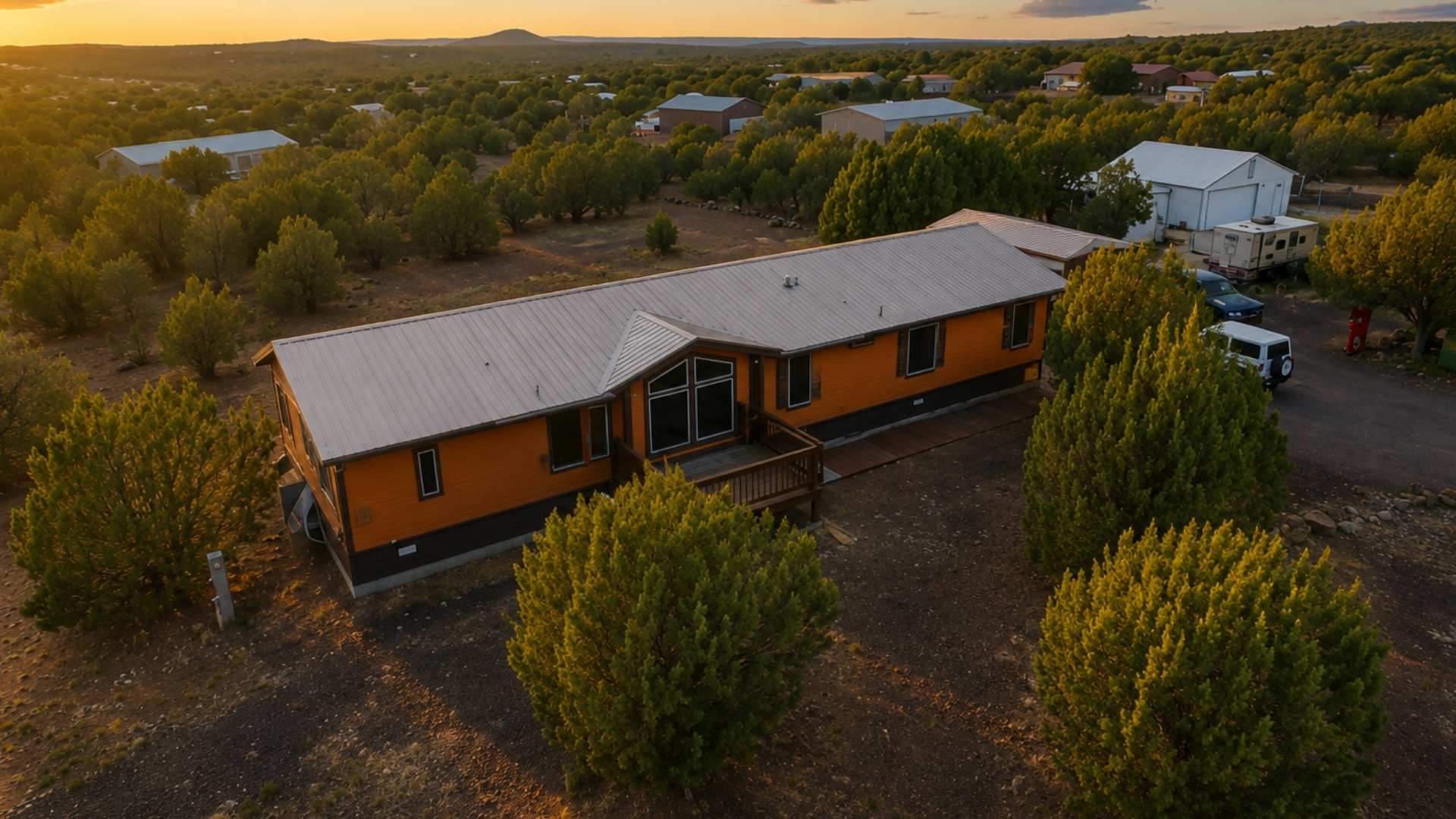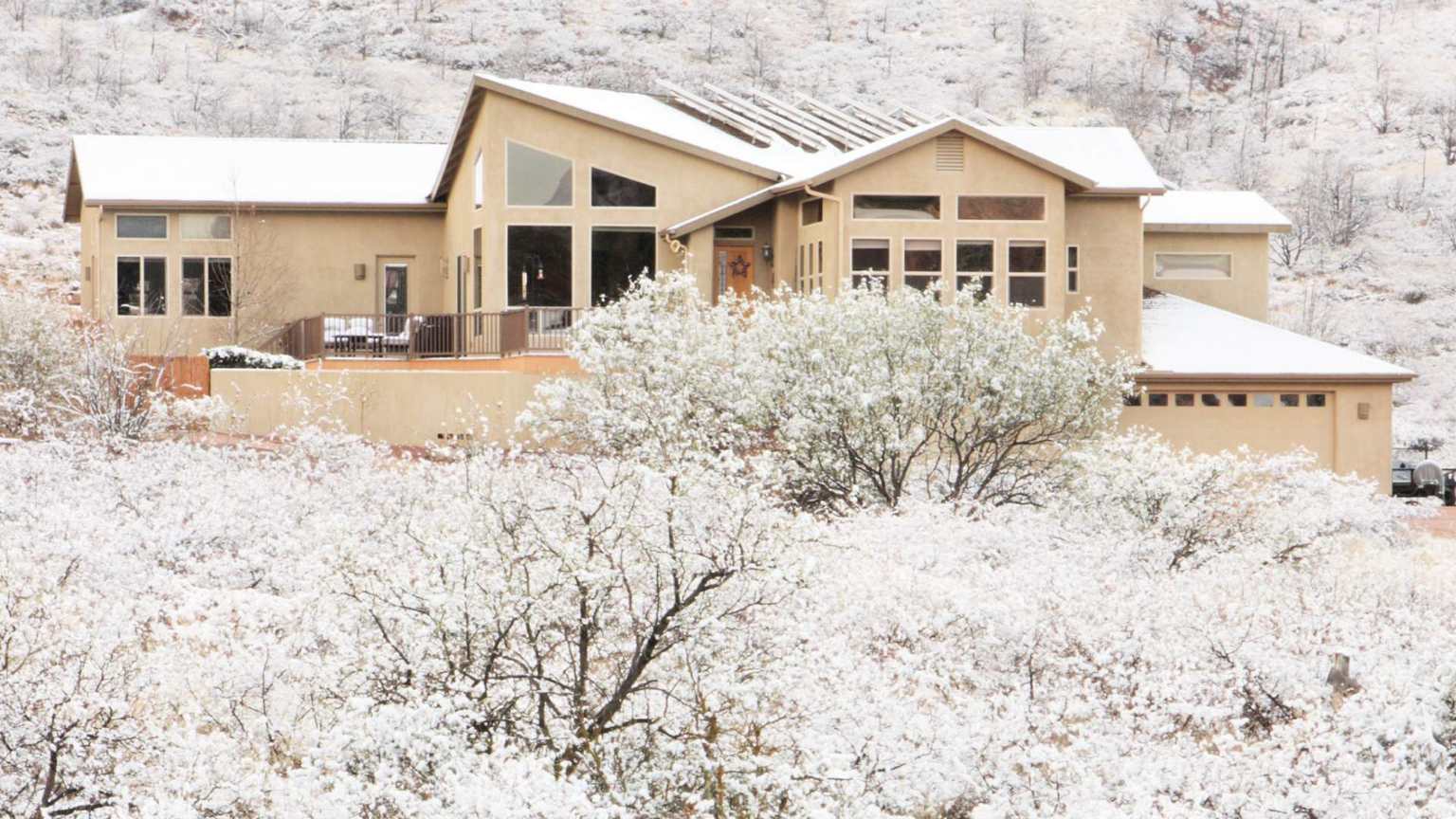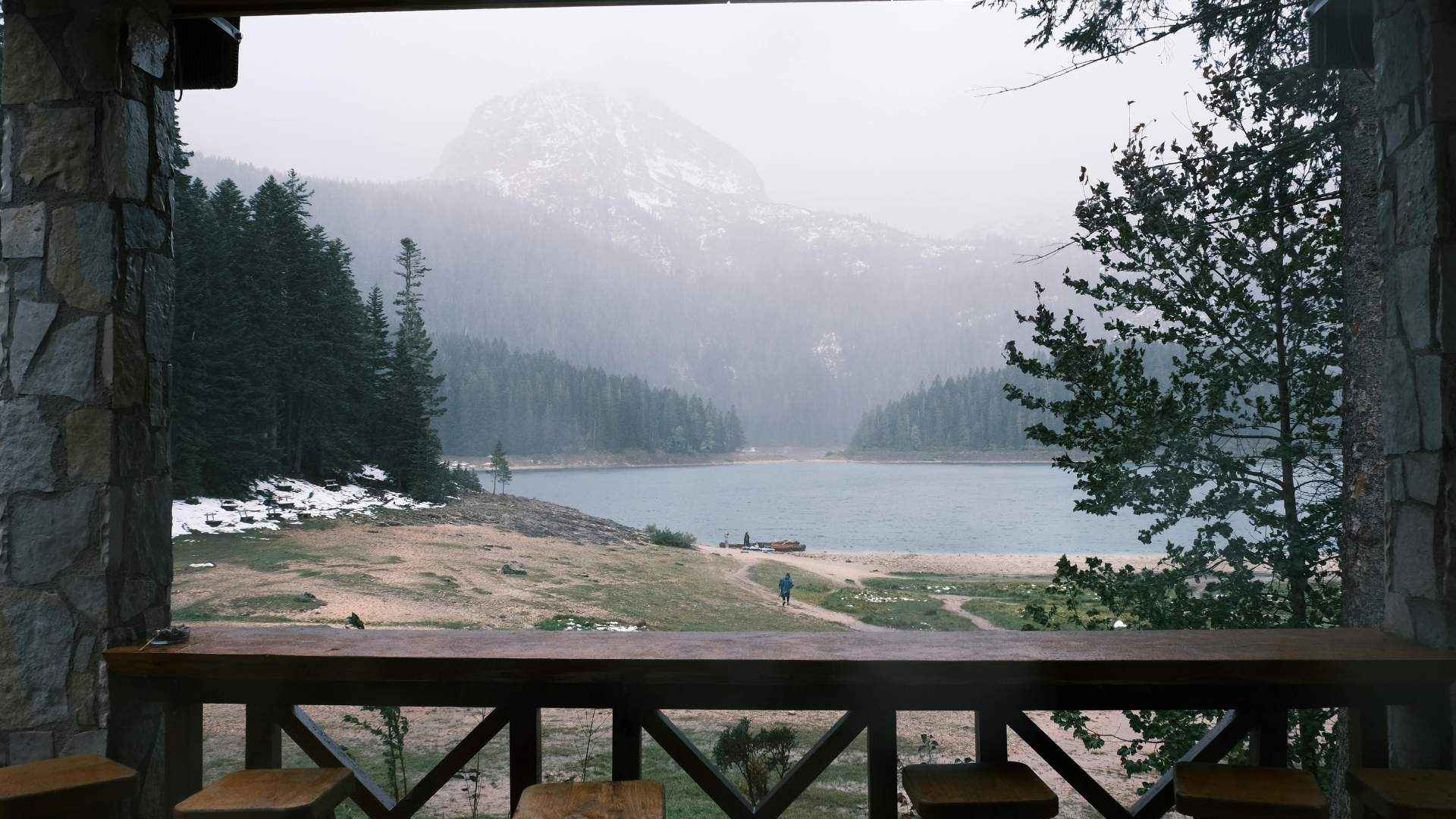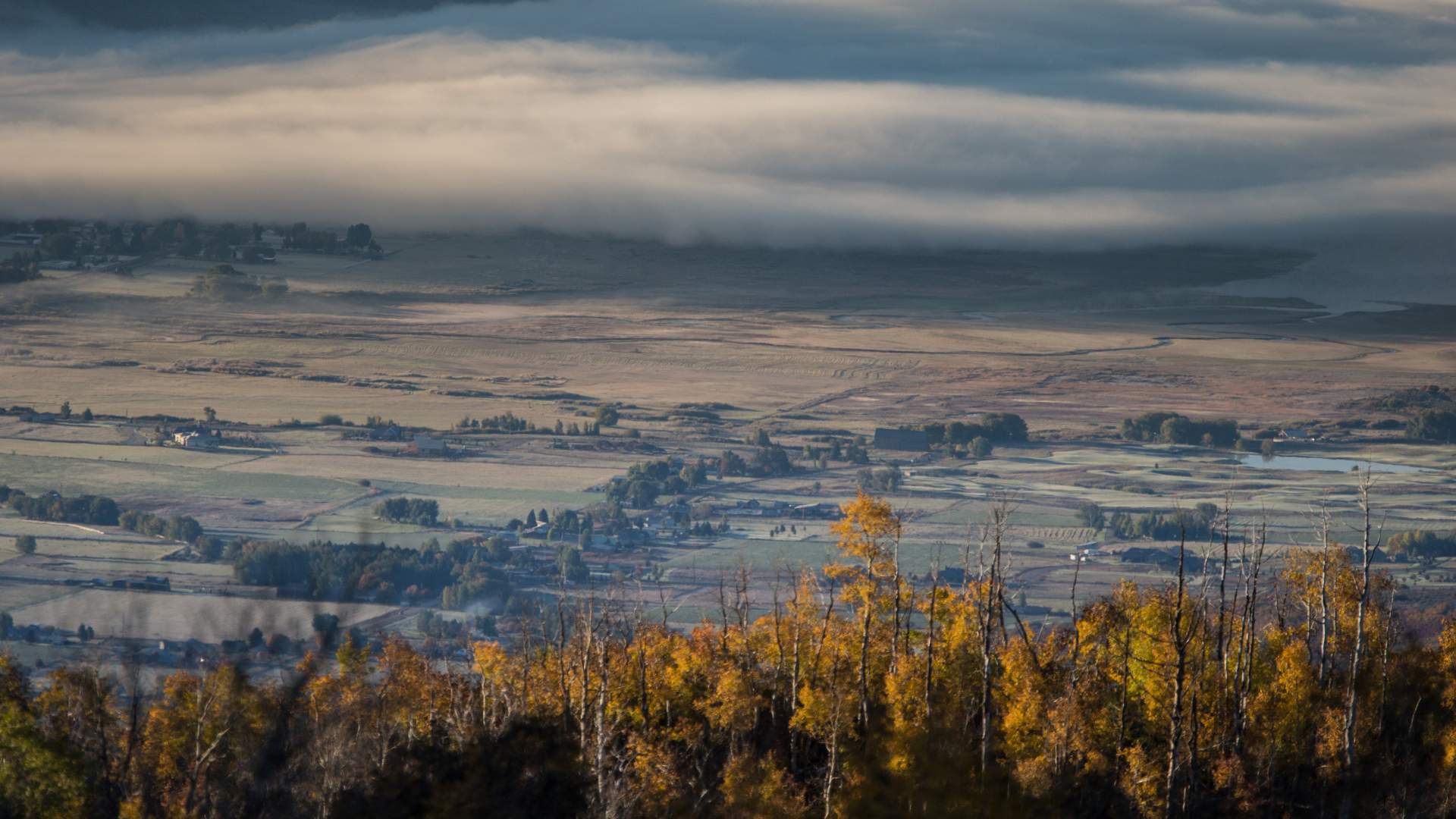
Buying a rural property in the White Mountains of Arizona can be a rewarding move, especially for buyers who want more space, privacy, cooler weather, mountain views, or room to enjoy the outdoors. But rural ownership comes with details that are easy to overlook if you are used to buying in a city or suburban neighborhood.
In areas around Show Low, Pinetop-Lakeside, Heber-Overgaard, Snowflake-Taylor, Vernon, Concho, St. Johns, and other parts of Navajo and Apache County, buyers may encounter private wells, shared wells, septic systems, hauled water, propane, private roads, alternative heating systems, and internet limitations. These features are not necessarily problems, but they do require careful due diligence.
The goal is simple: understand how the property functions before you close. A beautiful home or acreage parcel may still be a great purchase, but buyers should know what services are available, what systems are private, what inspections are needed, and what long-term maintenance may look like.
Start With the Big Question: How Does the Property Function?
Before falling in love with a rural home, cabin, or acreage parcel, ask how the property operates day to day. In town, many buyers assume water, sewer, trash, electricity, gas, and internet are standard. In rural Arizona, each of those services should be verified.
Important questions include: Where does the water come from? Is there a septic system? Is power already connected? Is propane used? Who maintains the road? Is internet available? Are there seasonal access concerns? Is trash service available, or does the owner haul waste to a transfer station?
None of these questions should automatically discourage a buyer. Many rural properties work very well. The key is knowing the answers early enough to make an informed decision.
Private Wells: What Buyers Should Review
A private well can be a major asset for a rural property, but it should be reviewed carefully. Buyers should ask whether the well is private or shared, whether there is a recorded well agreement, how deep the well is, how much water it produces, and whether the system has been tested recently.
A well inspection may include a review of the pump, pressure tank, visible components, water flow, and overall system performance. Buyers may also consider water quality testing for common concerns such as bacteria, nitrates, minerals, hardness, or other local water conditions.
For shared wells, documentation is especially important. A shared well agreement should explain who can use the well, how repairs are paid for, how electricity is billed, what happens if the system fails, and whether future users can be added. A handshake agreement is not enough when water access is essential to the property.
Using Public Well Records
Arizona buyers can often begin their research by reviewing public well information through state resources. The Arizona Department of Water Resources provides well registry tools that may help buyers look up recorded well information, including registration details where available.
Public records are helpful, but they are not a substitute for inspection, testing, or professional review. Records may be incomplete, outdated, or difficult to interpret without local guidance. Buyers should use public data as one part of a larger due diligence process.
Hauled Water Properties
Some rural properties in the White Mountains use hauled water rather than a private or shared well. This means water is delivered to a storage tank or hauled by the property owner from an approved water source.
Hauled water can work for the right buyer, but it changes daily life. Buyers should understand tank size, delivery options, cost, road access for delivery trucks, water usage habits, and whether the system is protected from freezing. A full-time household may use water differently than a weekend cabin owner.
Before purchasing a hauled water property, buyers should ask how the current owner manages water, how often the tank is filled, what monthly or seasonal costs look like, and whether there have been access or supply issues.
Septic Systems: What to Know Before Closing
Many rural homes are served by onsite wastewater systems, commonly called septic systems. In Arizona, septic systems are subject to transfer-related inspection requirements when a property changes ownership. Buyers should understand whether the system is conventional or alternative, where it is located, when it was installed, and whether records are available.
A septic inspection can help identify visible concerns, system condition, tank location, and whether pumping or repairs may be needed. Buyers should also understand the size and design capacity of the system, especially if they plan to expand the home, add bedrooms, host guests, or use the property as a short-term rental where allowed.
Septic due diligence should not be treated as a minor item. A failing or undocumented system can create cost, delay, and uncertainty. The earlier the septic conversation starts, the better.
Ask About Permits and Records
Permits and records can help confirm whether a system was properly installed or modified. Buyers should ask for septic permits, inspection reports, transfer documentation, and any repair history. If records are missing, the buyer may need additional investigation through the county, ADEQ, or a qualified inspector.
For vacant land, buyers should be especially careful. Just because a parcel looks buildable does not mean a standard septic system will be approved. Soil conditions, slope, parcel size, setbacks, drainage, floodplain issues, and nearby wells can all affect what type of system may be possible.
Electricity, Solar, and Backup Power
Some rural properties have standard grid power, while others may require solar, generators, or a combination of systems. Buyers should verify whether electricity is currently connected, who the provider is, what average utility costs look like, and whether there are any easement or extension concerns.
If a parcel does not already have power, buyers should not assume it will be inexpensive to bring it in. Utility extensions can be costly depending on distance, terrain, easements, and provider requirements. For vacant land buyers, confirming power availability is one of the most important early steps.
For homes with solar or generator systems, buyers should review ownership, batteries, maintenance history, system capacity, and whether the setup supports full-time living or occasional use.
Propane, Heating, and Winter Conditions
Many White Mountains homes use propane, electric heat, wood stoves, pellet stoves, fireplaces, mini-splits, or a combination of systems. Buyers should understand how the home is heated, how efficient the system is, and whether it is suitable for year-round use.
For propane systems, ask whether the tank is owned or leased, who the provider is, where the tank is located, and what recent usage has been. For wood or pellet systems, buyers should consider chimney condition, maintenance history, safety, and insurance implications.
Winter conditions also matter. Buyers should look at driveway slope, snow removal, road maintenance, exposed plumbing, insulation, and whether the home has been properly winterized when vacant.
Road Access and Maintenance
Road access can have a major impact on rural property ownership. Some roads are publicly maintained, while others are private, shared, seasonal, or maintained by an association. Buyers should verify access rights, road condition, maintenance responsibility, and whether the property can be reached comfortably year-round.
For acreage and cabin properties, road conditions can vary dramatically by season. A road that feels easy in dry weather may be more difficult after snow, rain, or monsoon activity. Buyers should ask who plows, who grades, who pays, and whether road agreements are recorded.
Access also matters for lenders, insurance providers, emergency services, propane delivery, water delivery, and moving trucks. A scenic rural setting is valuable, but practical access should be part of the purchase decision.
Internet and Cell Service
Remote work has increased demand for mountain homes, but internet service is not equal everywhere in the White Mountains. Buyers should verify availability before assuming they can work from home, stream, run smart-home systems, or manage security cameras remotely.
Options may include cable, fiber in limited areas, fixed wireless, satellite internet, cellular hotspots, or other local providers. Buyers should ask the current owner what service they use, what speeds they receive, and whether the connection is reliable during storms, high-use periods, or winter weather.
Cell service should also be tested at the property, not just assumed from a coverage map. Walk the home, driveway, garage, and outdoor areas to see what actually works.
Vacant Land Requires Extra Due Diligence
Buying land in the White Mountains can be exciting, but it requires a deeper review than buying an existing home. Buyers should investigate zoning, access, utilities, water, septic feasibility, floodplain status, setbacks, easements, deed restrictions, HOA rules, and whether manufactured homes, RV use, animals, or short-term rentals are allowed.
A parcel may look affordable at first glance, but development costs can change the true budget. Bringing in power, drilling a well, installing septic, improving roads, clearing land, grading a driveway, and meeting county requirements can add significant expense.
Before closing on land, buyers should understand what they can build, what it may cost to make the property usable, and whether the land fits their timeline and goals.
Create a Due Diligence Checklist
Before removing inspection contingencies or moving toward closing, buyers should organize their questions and documents. A practical checklist may include water source, well records, water quality test, septic inspection, septic permits, utility providers, propane details, road maintenance, internet options, survey or boundary information, easements, HOA documents, insurance quotes, zoning, and any planned improvements.
This checklist helps buyers avoid surprises. It also makes it easier to compare properties fairly. A lower-priced rural home may not be the better value if it has unresolved access, water, septic, or utility issues.
Work With Local Guidance
Rural real estate is highly local. Two properties only a few miles apart can have very different water access, septic requirements, road conditions, internet options, and buyer risks. That is why local experience matters.
A knowledgeable White Mountains real estate professional can help buyers ask better questions, identify red flags, locate resources, coordinate inspections, and understand how rural systems affect value and long-term ownership.
The right rural property can offer privacy, beauty, and a lifestyle that is hard to find elsewhere. The key is buying with clear eyes, good information, and the right support.
Final Thoughts
Wells, septic systems, and rural utilities should not scare buyers away from White Mountains real estate. They should simply be reviewed with care. Many rural properties are well-built, well-maintained, and highly desirable, but they require a different mindset than homes connected to city services.
Before purchasing a cabin, acreage property, full-time residence, or vacant land in the White Mountains of Arizona, take time to understand how the property works. Confirm the water source, review septic requirements, verify access, check utilities, and ask the practical questions early.
If you are considering a rural home or land purchase in Show Low, Pinetop-Lakeside, Heber-Overgaard, Snowflake-Taylor, Vernon, Concho, St. Johns, or surrounding White Mountains communities, work with a local real estate team that understands the details behind mountain and rural Arizona ownership.