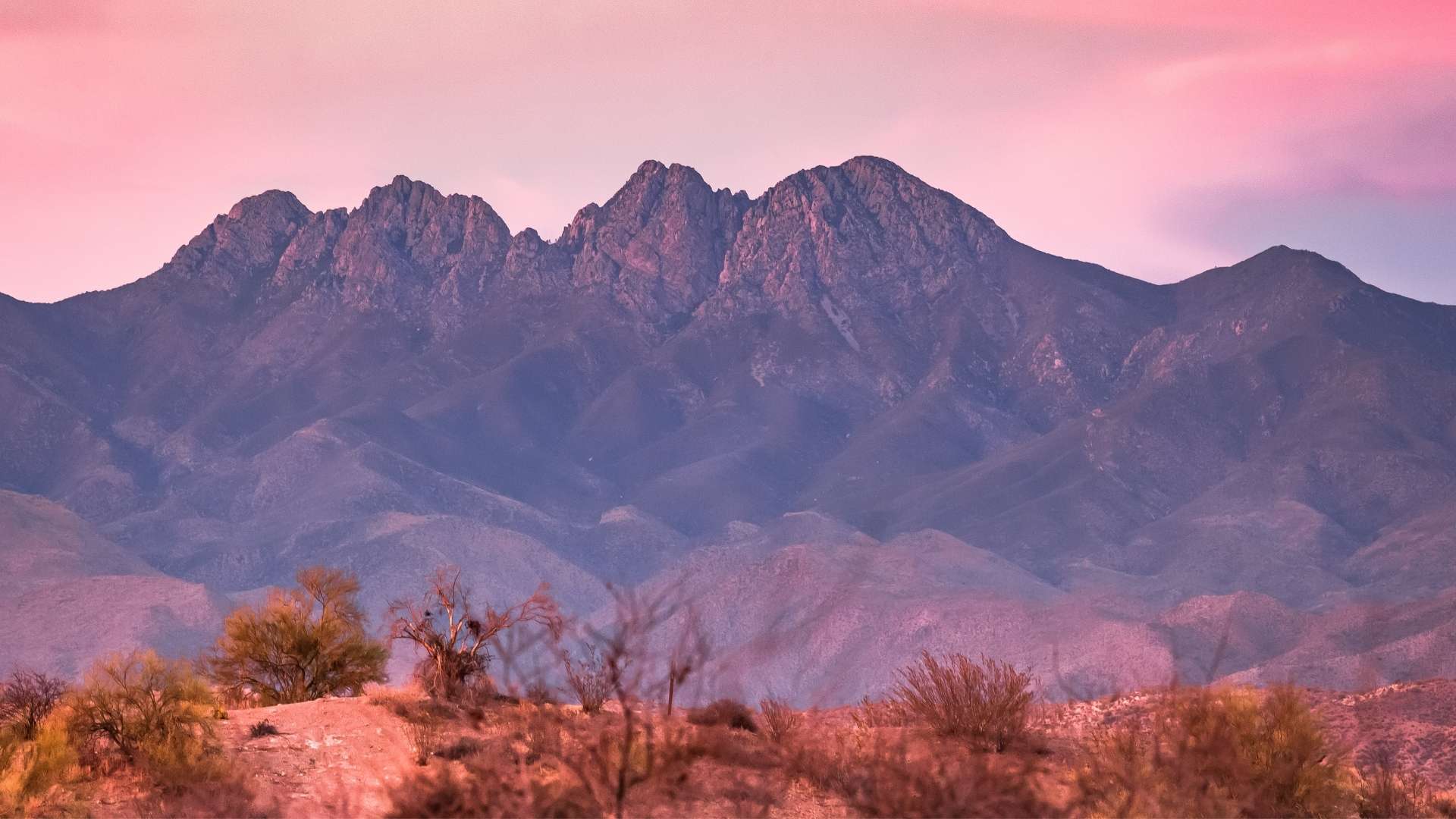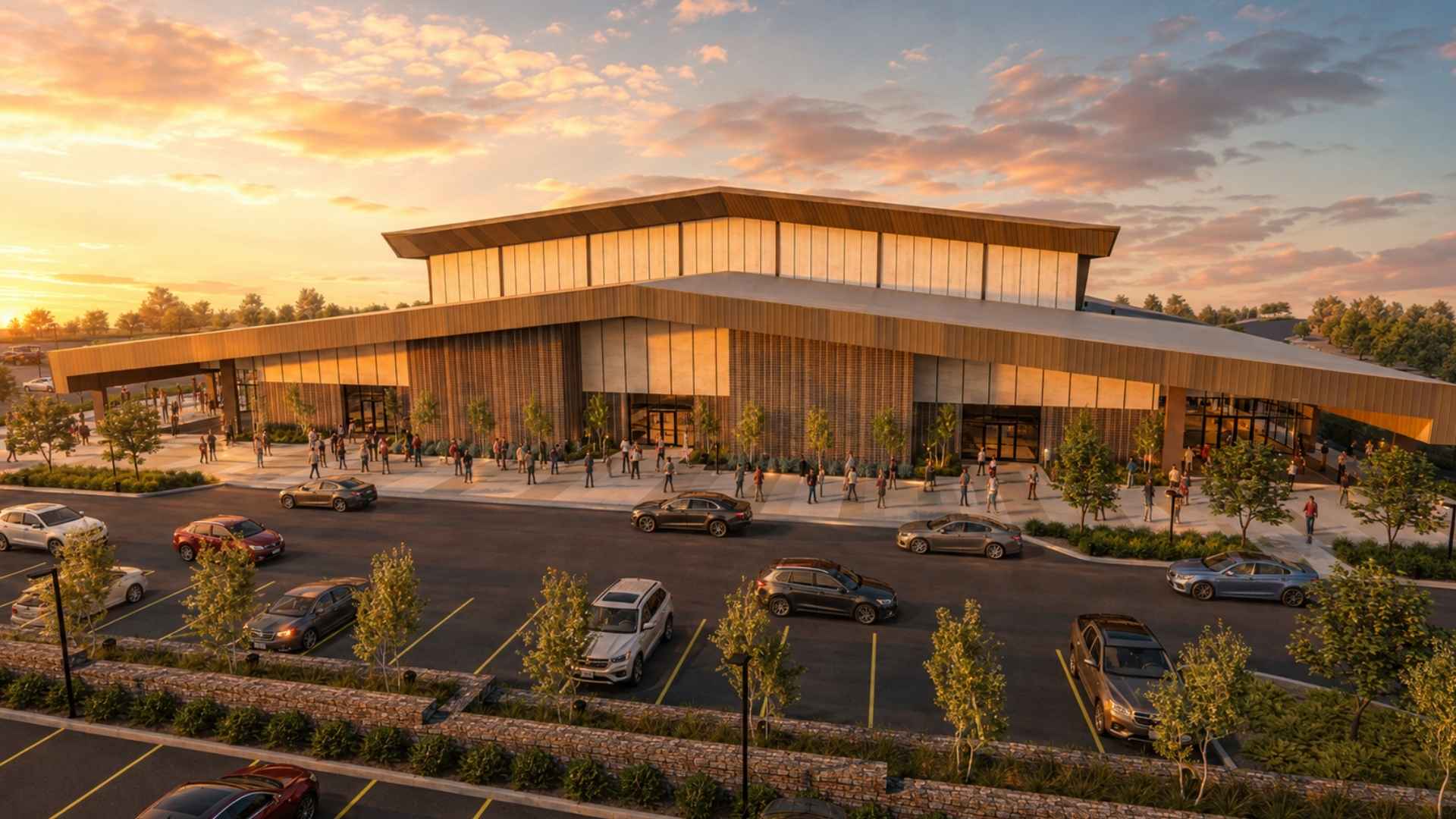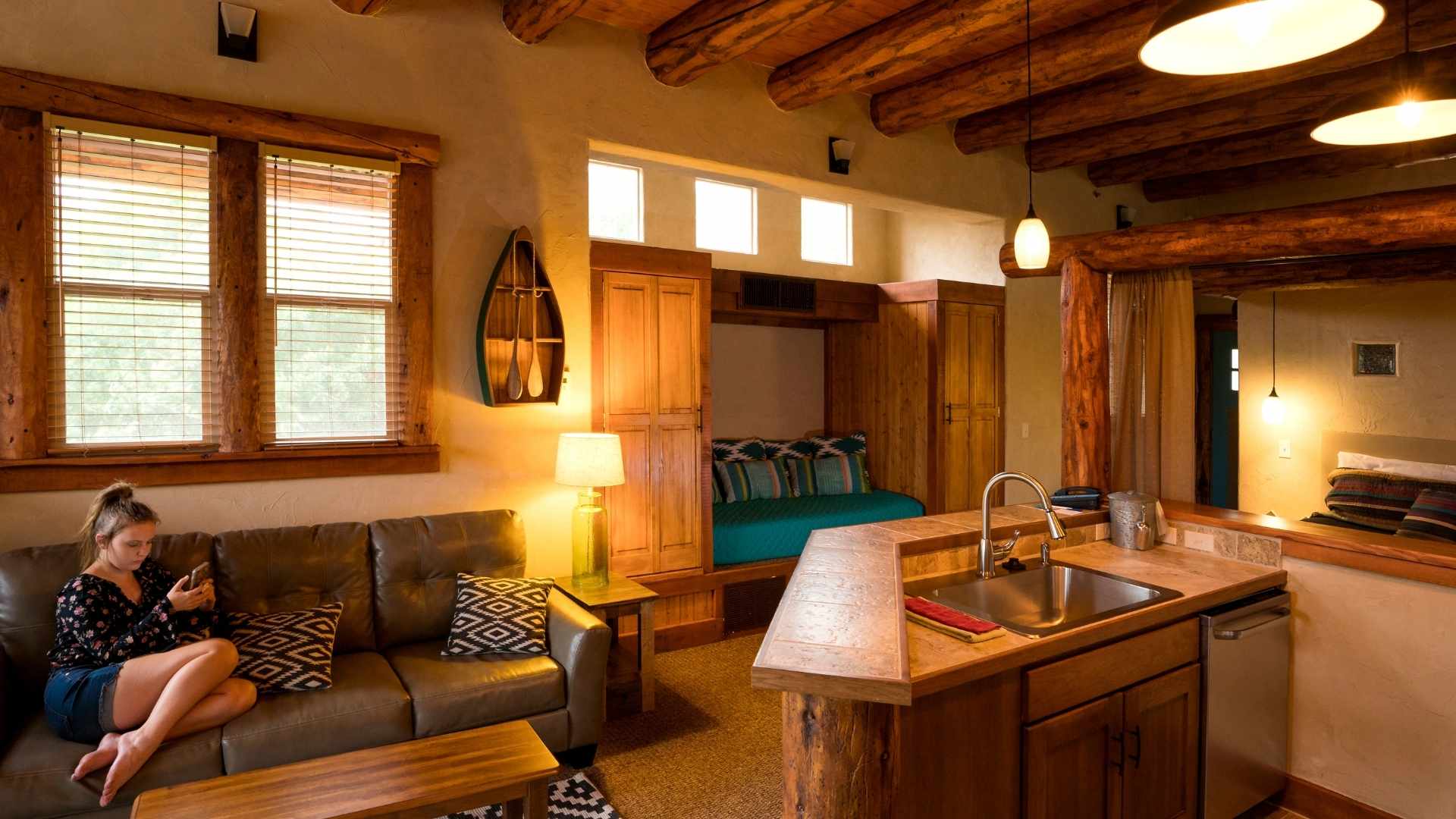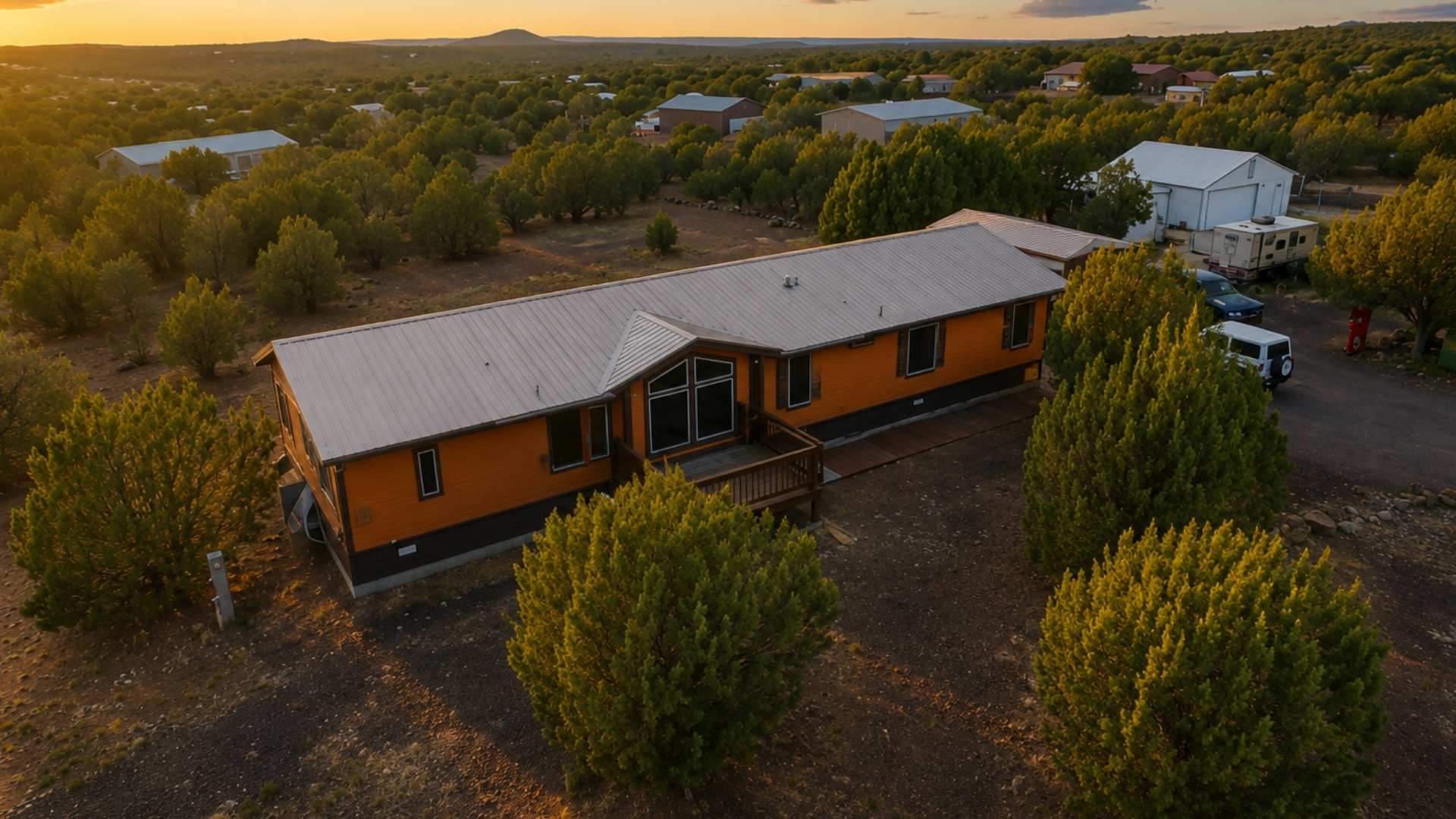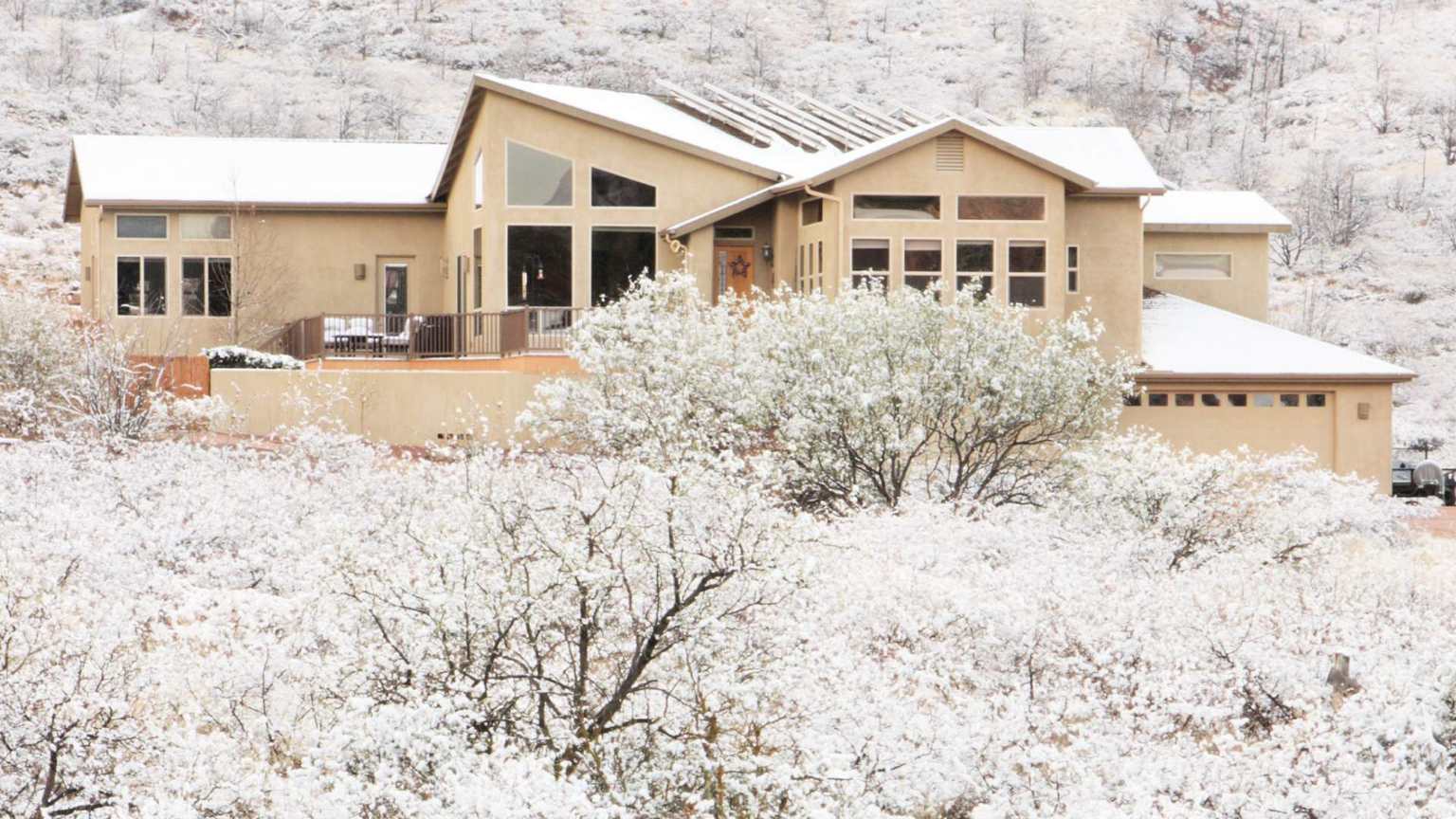
For many Arizona second-home buyers, the ideal mountain property is not the largest cabin or the most secluded acreage.
It is the home they can enjoy on Friday evening, leave on Sunday afternoon, and not worry about all week.
That is the appeal of a lock-and-leave mountain home.
Buyers coming from Phoenix, Scottsdale, Tucson, or other lower-elevation communities often want a White Mountains property that delivers the pine trees, cooler weather, recreation, and slower pace of mountain living without creating a second full-time job.
But “low maintenance” means something different at 7,000 feet than it does in the Valley.
Snow, freezing temperatures, trees, roof design, heating systems, road access, insurance, utilities, and prolonged vacancy all deserve consideration.
Here is what buyers should evaluate before purchasing a mountain home they expect to leave unattended for extended periods.
Start With the Property, Not Just the House
A low-maintenance second home begins with the homesite.
A beautiful wooded acre can provide extraordinary privacy, but it also creates additional exterior maintenance.
When touring properties, evaluate:
- Number and condition of trees
- Pine-needle accumulation
- Slope
- Drainage
- Driveway length
- Driveway grade
- Retaining walls
- Snow-storage areas
- Exterior stairs
- Fencing
- Outbuildings
- Landscaping
A smaller managed lot may suit a lock-and-leave buyer better than acreage.
That does not make one property superior to the other. It simply means buyers should choose based on how much ongoing property management they actually want.
Road and Driveway Access Matter More in Winter
A mountain getaway is much easier to use spontaneously when access is predictable.
Ask who maintains and plows the road.
Then look at the driveway itself.
A short, relatively level driveway with straightforward access may be much easier to manage than a steep private drive.
Consider:
- Public versus private road
- HOA-maintained roads
- Snow-plowing arrangements
- Driveway surface
- Drainage
- Grade
- Turnaround space
- Guest parking
If you plan to use the home throughout winter, accessibility should be part of the purchase decision rather than something you discover after the first major snowfall.
A Simple Roofline Can Be an Advantage
Architectural complexity can look impressive.
It can also create more places for leaves, pine needles, moisture, snow, and debris to collect.
When comparing lock-and-leave homes, pay attention to roof condition and design.
Look for:
- Remaining roof life
- Valleys
- Low-slope sections
- Flashing
- Gutters
- Drainage
- Skylights
- Chimney penetrations
- Overhanging tree limbs
A qualified inspector can help identify areas requiring attention.
For a home that may sit unoccupied for weeks at a time, preventing roof and water problems is especially important because leaks may go unnoticed longer.
Exterior Materials Affect How Much Maintenance You Will Do
Mountain buyers understandably love the appearance of natural wood.
But extensive exposed wood may require periodic staining, sealing, painting, or repair.
Compare the maintenance characteristics of:
- Wood siding
- Engineered siding
- Stucco
- Stone
- Composite decking
- Traditional wood decking
- Metal railings
- Wood railings
A property designed with durable, lower-maintenance materials can reduce the work required between visits.
The goal is not to eliminate maintenance entirely. No mountain home is maintenance-free.
The goal is to make the workload predictable.
Heating Is One of the Most Important Lock-and-Leave Systems
In the Valley, homeowners may turn the thermostat up before leaving for vacation.
At higher elevations, winter introduces a different concern: freezing temperatures.
Buyers should understand the home’s primary and backup heating systems and how they operate during extended absences.
Questions include:
- What type of heating system serves the home?
- How old is it?
- Can it be monitored remotely?
- Is the home evenly heated?
- Are pipes located in vulnerable areas?
- Is there backup heat?
- What happens during an electrical outage?
- Does the home require winterization when vacant?
Heating should be evaluated for reliability as much as comfort.
Smart-Home Technology Can Make Distance Easier
Technology can be especially useful when your second home is several hours away.
Depending on the property, useful systems may include:
- Smart thermostats
- Temperature sensors
- Water-leak detectors
- Automatic water shutoff
- Security cameras
- Smart locks
- Door sensors
- Smoke and carbon-monoxide alerts
- Remote garage-door monitoring
- Power-outage notifications
None of these replaces regular maintenance or local assistance.
But knowing that the interior temperature has dropped unexpectedly or that a leak has been detected can allow an owner to respond before a minor issue becomes a major repair.
Reliable Internet Becomes Part of Property Management
Internet is not just for streaming movies or working remotely.
A lock-and-leave owner may depend on connectivity for thermostats, cameras, alarm systems, door locks, water monitoring, and other smart devices.
Before purchasing, investigate actual service availability at the property.
Coverage can vary substantially in mountain and rural locations.
Do not assume that because a neighboring community has high-speed service, the particular house you are buying has the same options.
Consider Whether You Want an HOA
For some second-home buyers, an HOA is a negative.
For lock-and-leave buyers, it can sometimes provide value.
Depending on the community, HOA responsibilities could include:
- Road maintenance
- Snow removal
- Common landscaping
- Exterior maintenance
- Gate management
- Trash
- Shared amenities
Other associations may provide very little beyond community standards.
Review the actual documents and budget rather than assuming what the HOA handles.
A well-run association can simplify ownership, but dues, rules, reserves, and potential special assessments all need to be considered.
Water Systems Should Be Easy to Understand and Monitor
A home on municipal water may feel more straightforward to some buyers, but White Mountains properties can also rely on private wells, shared wells, or other arrangements.
If the home has a well, understand:
- Ownership
- Maintenance responsibilities
- Pump condition
- Pressure system
- Power requirements
- Freeze protection
- Water testing
- Shared-well agreements if applicable
If the property uses a septic system, understand its location, age, condition, capacity, and service history.
Rural utilities can function very well, but a lock-and-leave buyer should know who to call if something fails.
Pay Attention to Fireplaces and Wood-Burning Systems
A fireplace or wood stove is one of the classic attractions of a mountain home.
For seasonal owners, it also adds another system requiring proper maintenance.
Consider:
- Chimney condition
- Cleaning history
- Fireplace inserts
- Wood-stove installation
- Spark arrestors
- Hearth condition
- Wood storage
These systems should be evaluated during the inspection process when applicable.
They can be wonderful features without becoming burdensome when they are properly maintained.
Trees Are an Asset and a Responsibility
The forest is part of the reason people buy in Pinetop-Lakeside, Show Low, Heber-Overgaard, and the surrounding White Mountains.
But mature trees need attention.
A lock-and-leave buyer should evaluate:
- Dead trees
- Overhanging limbs
- Vegetation near the structure
- Pine needles on roofs
- Firewood storage
- Tree proximity to decks
- Lot cleanup needs
A property that has already been thoughtfully maintained may save significant work.
Insurance Should Be Quoted Before You Buy
Mountain insurance availability and cost can vary by individual property.
Insurers may consider wildfire exposure, roof condition, distance from fire services, surrounding vegetation, construction, and other property characteristics.
A lock-and-leave buyer should also tell the insurance professional how the home will be used.
A property occupied full time can present a different risk profile from a second home that may sit vacant for extended periods.
Ask specifically about seasonal occupancy and vacancy requirements.
Obtaining a property-specific quote before closing can help you understand whether the home fits your long-term ownership budget and intended use.
Choose Mechanical Systems That Local Professionals Can Service
Highly specialized systems can be impressive until they require repair.
For a second home several hours away, serviceability matters.
Before purchasing a home with unusual HVAC equipment, sophisticated automation, specialty appliances, radiant systems, solar-plus-battery equipment, generators, or other complex features, investigate whether qualified local service providers are readily available.
A lock-and-leave home should ideally be straightforward to maintain even when you cannot personally supervise every repair.
Storage Makes Coming and Going Easier
A well-designed second home allows you to keep mountain equipment in the mountains.
Useful storage might include:
- Garage cabinets
- Ski racks
- Bike storage
- Fishing-gear storage
- Mudroom
- Owner’s closet
- Pantry
- Outdoor furniture storage
- Holiday-decoration storage
For buyers who may later rent the property occasionally, a secure owner’s closet can be particularly useful.
Security Should Feel Simple, Not Complicated
A lock-and-leave home should make departure easy.
Ideally, the owner can verify major systems without walking through a complicated checklist every time.
Consider:
- Smart locks
- Alarm systems
- Exterior lighting
- Cameras
- Water shutoff
- Garage security
- Window locks
- Motion sensors
The best setup is one you will consistently use.
Have a Local Emergency Plan Before You Need One
Technology helps, but someone may eventually need to physically visit the property.
A pipe can leak. A tree can fall. A heater can fail. A storm can cause damage.
Before purchasing, consider how you would handle an emergency from another city.
That may mean establishing relationships with:
- A trusted neighbor
- Property caretaker
- Handyman
- HVAC contractor
- Plumber
- Electrician
- Snow-removal service
- Tree-service company
Knowing who you can call is part of successful remote ownership.
What Does an Ideal Lock-and-Leave Mountain Home Look Like?
Every buyer is different, but a low-maintenance second-home profile might include:
- Good year-round road access
- Manageable driveway
- Durable exterior materials
- Sound roof
- Reliable heating
- Smart thermostat
- Leak detection
- Reliable internet
- Manageable tree coverage
- Straightforward utilities
- Good insulation
- Functional garage or storage
- Established local service providers
- An HOA that handles useful responsibilities, if desired
No home will check every box.
The objective is to identify which features will make ownership easier for your particular lifestyle.
Final Thoughts
A mountain second home should give you somewhere to recharge, not another property to constantly worry about.
When evaluating homes in Arizona’s White Mountains, look beyond the cabin aesthetic.
Think about how the property behaves when you are not there.
How is it heated? Who clears the snow? Who watches for leaks? How much tree maintenance does it require? Can you monitor it remotely? Is the road accessible? Is it insurable? Who can respond if something happens?
Those practical questions can make the difference between a second home that becomes a burden and one you look forward to using for years.
If you are searching for a lock-and-leave home, cabin, townhome, or second property in Show Low, Pinetop-Lakeside, Heber-Overgaard, Apache County, Navajo County, or the surrounding White Mountains, Stefan & Kim Wehnau can help you identify homes that fit both your lifestyle and your desired level of maintenance.
Call/Text: 928-242-9677
Email: WeKnowAZRE@gmail.com
Your dream home is waiting — let’s open the door together!