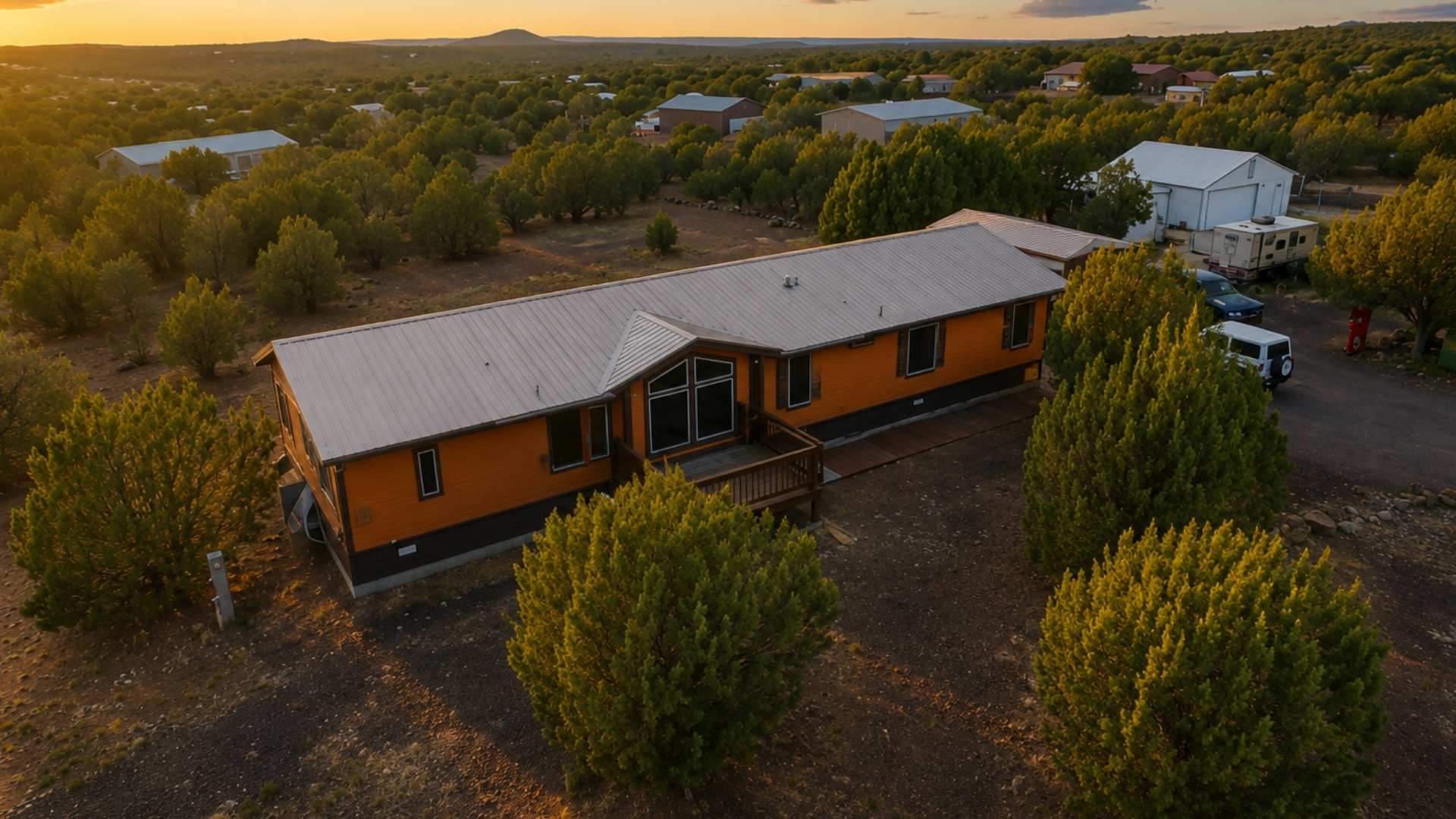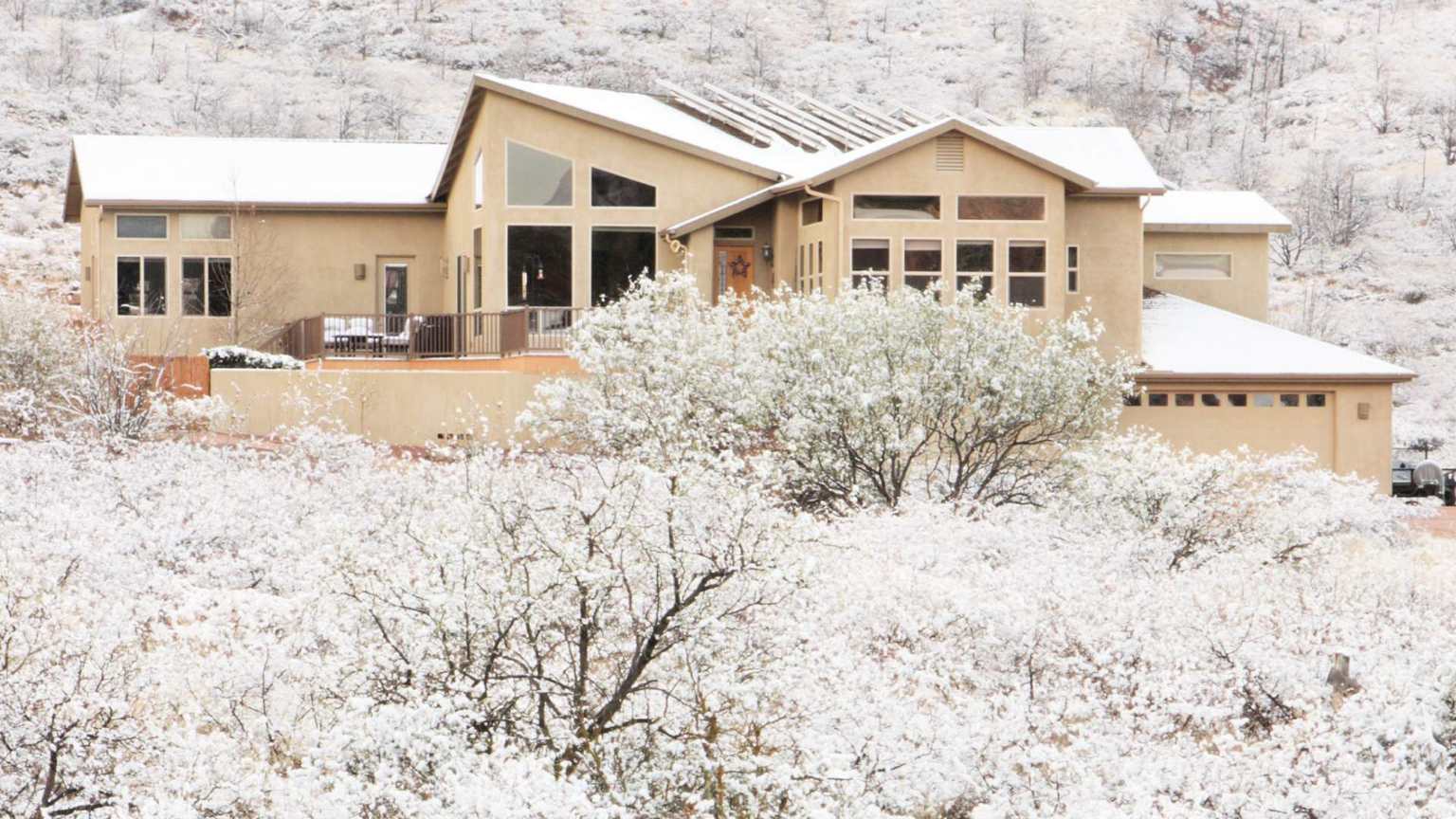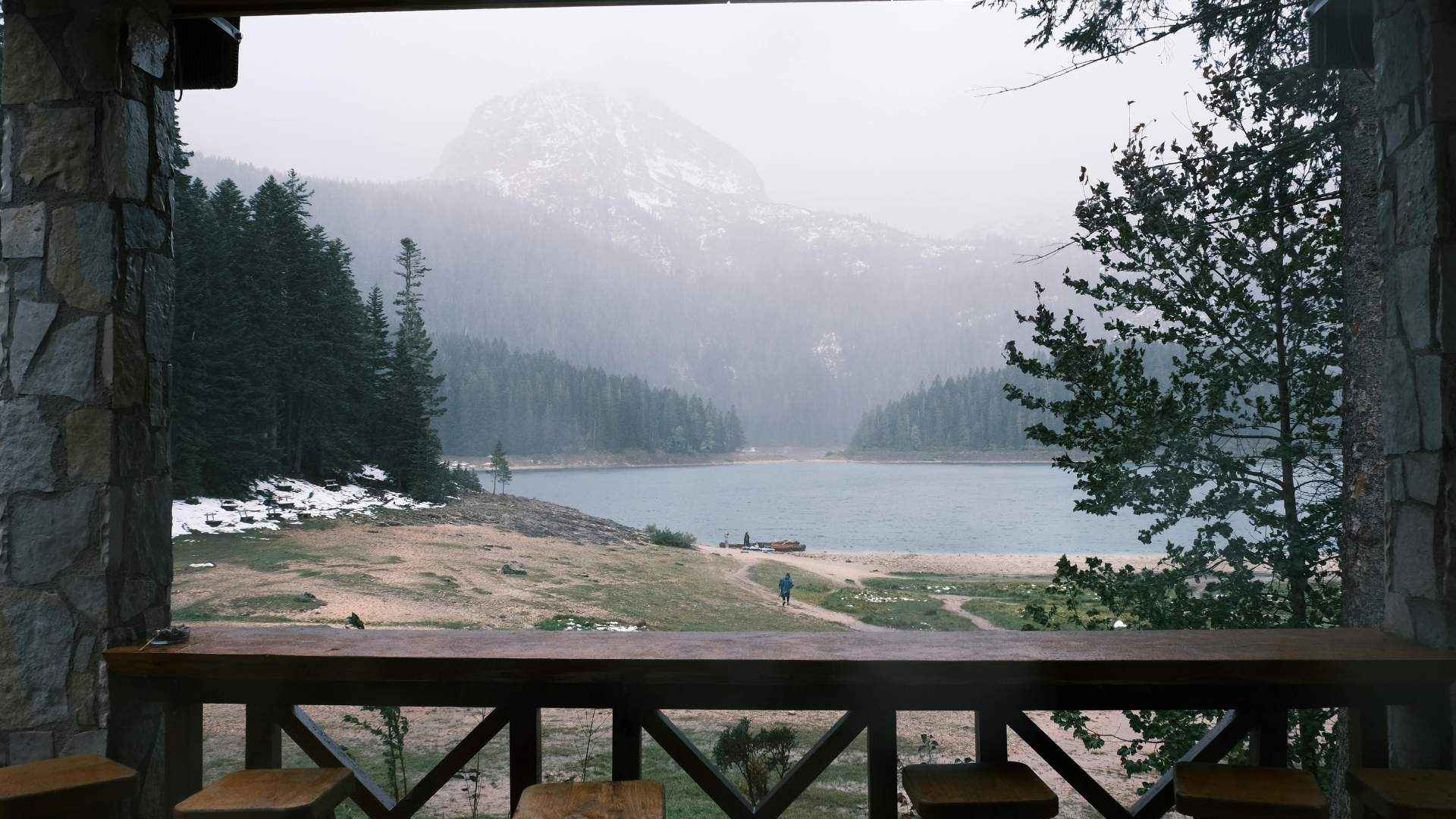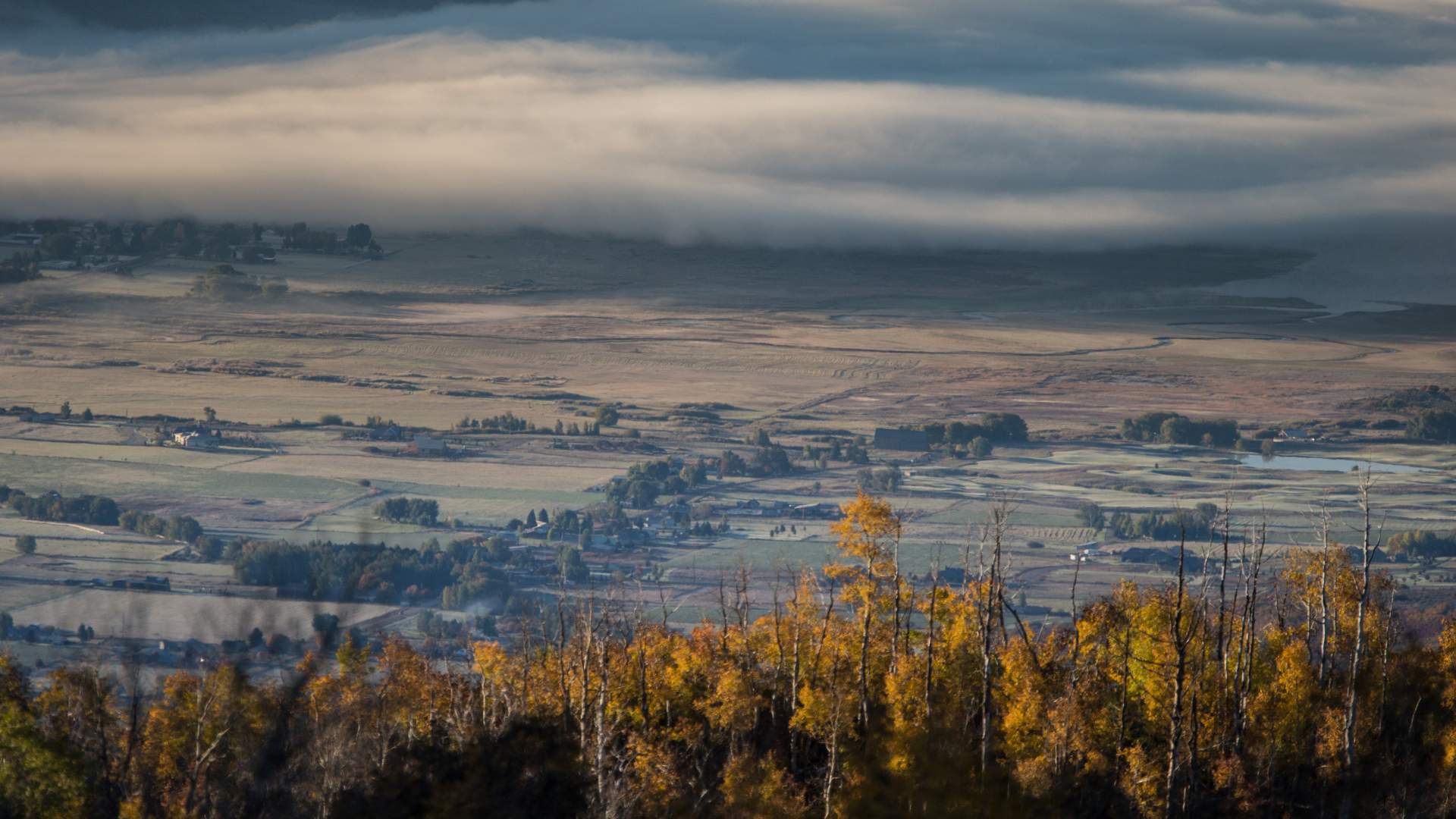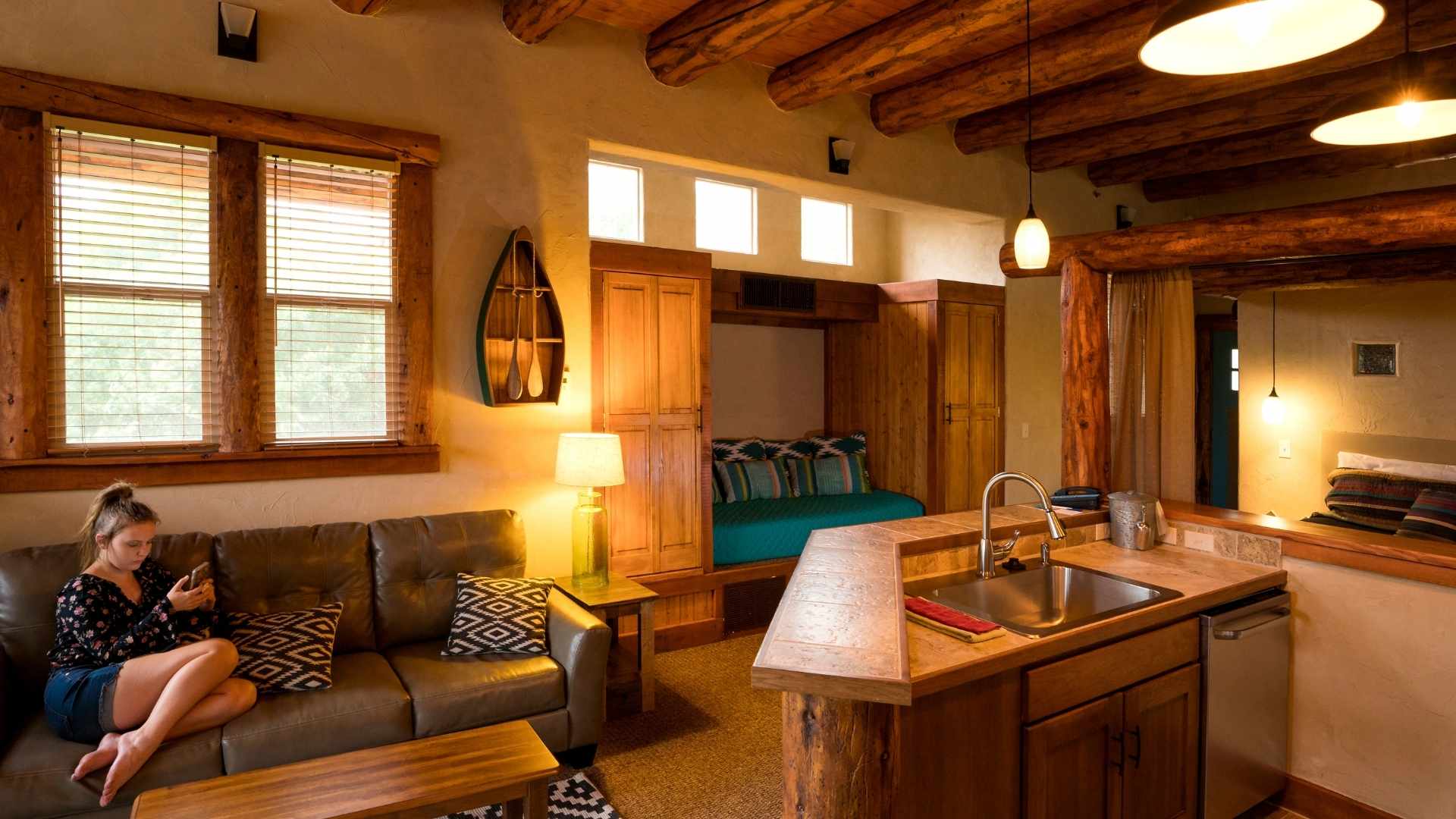
Arizona’s White Mountains offer something that is difficult to duplicate elsewhere in the state: cool summers, tall pines, four-season recreation, mountain communities, and the opportunity to own a retreat within driving distance of the Valley.
But the purchase price is only one part of the decision.
For buyers considering a second home in Show Low, Pinetop-Lakeside, Heber-Overgaard, Lakeside, Greer, or the surrounding White Mountains, understanding the ongoing cost of ownership is just as important as deciding how much home to buy.
A mountain property can be relatively simple to own, or it can require considerably more attention than a primary home in the Valley. The difference often comes down to location, construction, utilities, insurance, HOA responsibilities, landscaping, winter access, and how frequently the home is occupied.
Here are the major expenses buyers should evaluate before purchasing. <h4>Start With the Costs That Follow the Property Year-Round</h4>
Even if you only use a second home a few weekends or months each year, many ownership expenses continue every month.
Your budget may include:
- Mortgage principal and interest
- Property taxes
- Homeowners insurance
- HOA or community association fees
- Electricity
- Natural gas or propane
- Water and sewer charges
- Internet service
- Trash service
- Pest control
- Landscaping or tree maintenance
- Snow removal
- Routine repairs
- Security or home-monitoring services
The important question is not simply, “Can I afford the mortgage?”
A better question is, “What will this property realistically cost me each year whether I am there or not?”
Creating an annual ownership budget before making an offer can help prevent surprises later. <h4>Insurance Can Be a Major Variable in the White Mountains</h4>
Insurance deserves attention early in the buying process.
Properties in forested areas may be evaluated differently from homes in lower-elevation Arizona because insurers consider factors such as wildfire exposure, vegetation, construction materials, roof condition, fire-protection resources, access, water availability, and proximity to fire services.
Arizona’s Department of Insurance and Financial Institutions specifically identifies wildfire risk as an important consideration in forested and wildland-urban-interface areas and advises consumers that eligibility, premiums, and coverage can vary considerably by property and insurer.
That means two similar-looking mountain homes may have very different insurance profiles.
Before the inspection period expires, buyers should consider obtaining an actual insurance quote for the specific property rather than estimating the cost based on another home.
Ask about:
- Annual premium
- Deductibles
- Wildfire-related underwriting requirements
- Roof restrictions
- Defensible-space expectations
- Replacement-cost coverage
- Detached structures
- Personal property
- Water damage
- Vacancy or seasonal occupancy provisions
- Short-term-rental coverage if applicable
Standard homeowners insurance also generally does not cover flooding from rising surface water, so properties with potential flood exposure may warrant a separate flood-risk review. <h4>Property Taxes Should Be Verified for the Actual Home</h4>
Property taxes are another ongoing expense, but buyers should avoid assuming that the seller’s current tax bill will automatically equal their future cost.
Review the county tax records for the specific parcel and discuss questions about valuation or property classification with the appropriate county officials or tax professional.
For properties in Navajo or Apache County, buyers should confirm:
- Current assessed information
- Most recent property-tax amount
- Whether there are multiple parcels
- Any special assessments
- Whether improvements are accurately reflected in county records
Taxes may represent a smaller portion of the ownership budget than the mortgage or insurance, but they should still be included when comparing properties. <h4>HOA Fees Can Pay for Services You Would Otherwise Handle Yourself</h4>
Some White Mountains buyers instinctively prefer a property without an HOA.
Others specifically seek managed communities because they want a simpler second-home experience.
An HOA fee should therefore be evaluated based on what it provides rather than simply whether the number appears high or low.
Depending on the community, assessments may contribute to items such as:
- Private-road maintenance
- Snow removal
- Common-area landscaping
- Gate maintenance
- Community amenities
- Exterior maintenance in certain developments
- Trash service
- Private water systems
- Community insurance
- Reserve funding
Ask for current dues, governing documents, recent meeting minutes, financial statements when available, reserve information, and details about any pending or recently approved special assessments.
A $200 monthly HOA that handles several responsibilities may make more financial sense for a seasonal owner than a property with no HOA where every service must be arranged individually. <h4>Utilities Do Not Disappear When You Leave</h4>
A mountain home typically cannot simply be shut down when you return to Phoenix or another primary residence.
During cold weather, sufficient heat may need to be maintained to help protect plumbing and the structure. Internet may remain active for security systems, thermostats, cameras, or remote monitoring. Refrigerators, water heaters, well equipment, sump systems, and other components can continue consuming energy.
Utility costs will depend on the home and may include:
- Electric heating
- Natural gas
- Propane
- Wood or pellet fuel
- Municipal water
- Private well costs
- Sewer
- Septic-system maintenance
Ask the seller for available historical utility information, but remember that your usage could be very different.
A couple occupying a cabin six weekends each year may have a very different expense profile from a family spending the entire summer there. <h4>Propane, Septic Systems, Wells, and Rural Utilities Need Their Own Budget</h4>
Outside the most developed areas, White Mountains properties may operate differently from a typical Valley subdivision.
Some homes use propane tanks. Others rely on septic systems, private wells, shared wells, or other rural infrastructure.
These systems are not inherently negative, but they should be understood.
For example, buyers may need to budget for:
- Propane deliveries
- Tank rental or ownership
- Septic pumping and servicing
- Well equipment repairs
- Water testing
- Pressure tanks or pumps
- Generator maintenance
- Private-road contributions
A property that appears inexpensive on a monthly basis may carry occasional larger maintenance expenses. <h4>Mountain Homes Face Different Maintenance Demands</h4>
At higher elevation, a home experiences conditions that many Valley buyers rarely encounter.
Snow, freezing temperatures, seasonal moisture, pine needles, falling branches, wildlife, drainage, and freeze-thaw cycles can all affect maintenance.
Common ownership items can include:
- Roof inspections and repairs
- Gutter and drainage cleaning
- Deck staining or sealing
- Exterior painting
- Tree trimming
- Pine-needle removal
- Chimney cleaning
- Fireplace or wood-stove service
- Heating-system maintenance
- Plumbing winterization
- Snow removal
- Pest and rodent control
A well-maintained home may require relatively predictable upkeep. A property with deferred maintenance can become expensive quickly.
Inspection results should therefore be considered not only as a list of repairs, but as a preview of what the property may require over the next several years. <h4>Tree Care and Wildfire Mitigation Are Part of Mountain Ownership</h4>
Tall pines are one of the reasons buyers love the White Mountains, but forested lots also require stewardship.
Owners may periodically need to remove dead trees, trim branches, clear accumulated pine needles, manage vegetation, and maintain defensible space.
Arizona insurance regulators encourage defensible-space measures and fire-resistant materials as ways property owners can reduce wildfire risk.
For heavily wooded or larger properties, professional tree work can become a meaningful budget item.
During your property evaluation, look beyond the house itself. Consider the condition of the entire lot. <h4>Snow Removal Depends Heavily on the Property</h4>
Some buyers want to arrive after a snowfall and immediately enjoy their cabin.
Getting from the highway to the front door may tell a different story.
Determine who maintains:
- The main road
- Neighborhood streets
- Private roads
- The driveway
- Walkways
- Stairs and decks
A publicly maintained street with a short level driveway is very different from a steep private drive that requires contracted snow removal.
If year-round access matters, investigate this before purchasing. <h4>Furniture, Equipment, and Setup Costs Are Easy to Underestimate</h4>
The first year of second-home ownership often costs more than later years because buyers are setting up an additional household.
Depending on the sale, you may need:
- Furniture
- Mattresses and linens
- Kitchen equipment
- Television and electronics
- Patio or deck furniture
- Grill
- Snow shovel or snow blower
- Tools
- Firewood storage
- Recreation equipment
- Security cameras
- Smart thermostats
- Backup power equipment
A furnished property may reduce some of these upfront costs, but buyers should carefully document what furnishings and personal property are actually included in the transaction. <h4>Remote Ownership May Require Local Help</h4>
If your primary residence is several hours away, convenience has value.
Some second-home owners establish relationships with local vendors who can check a property, coordinate repairs, handle snow, maintain landscaping, or respond to emergencies.
Even buyers who plan to manage the home themselves should ask a practical question:
Who will handle an urgent issue when I am not there?
A modest annual budget for local assistance may be worthwhile if the property is frequently vacant. <h4>If You Plan to Rent the Home, Calculate Expenses Separately</h4>
Rental income can help offset ownership costs, but buyers should not treat gross rental revenue as profit.
Operating expenses may include:
- Property management
- Cleaning
- Platform fees
- Increased utilities
- Furniture replacement
- Linens and supplies
- Additional maintenance
- Insurance appropriate for rental activity
- Licensing and tax compliance
- Guest-related wear
- Landscaping and snow removal
Short-term-rental rules and HOA restrictions should also be verified for the specific property before relying on rental income in your purchasing decision. <h4>Create Three Budgets Before You Buy</h4>
A useful way to evaluate a White Mountains second home is to create three separate numbers.
Fixed annual costs: mortgage, property taxes, insurance, HOA and baseline utilities.
Routine operating costs: landscaping, tree care, heating service, pest control, snow removal and normal maintenance.
Reserve for larger repairs: roof, deck, plumbing, appliances, HVAC, septic or well components and other capital items.
Looking at all three provides a more realistic picture than a mortgage calculator alone. <h4>Final Thoughts</h4>
Owning a second home in Arizona’s White Mountains can provide years of enjoyment, family memories, recreation, and a place to escape the heat. But the best second-home purchase is one that works financially even after the initial excitement wears off.
Before you buy, look beyond price and monthly payment. Understand the home’s insurance profile, taxes, HOA obligations, utilities, road access, heating system, forest maintenance, and long-term repair needs.
Two homes with identical asking prices can have substantially different ownership costs.
The goal is not necessarily to find the property with the lowest expenses. It is to choose a property whose costs, maintenance requirements, and lifestyle fit the way you intend to use it.
If you are considering a second home in Show Low, Pinetop-Lakeside, Heber-Overgaard, Apache County, Navajo County, or the surrounding White Mountains, Stefan & Kim Wehnau can help you evaluate the practical details behind the property as well as the home itself.
Call/Text: 928-242-9677
Email: WeKnowAZRE@gmail.com
Your dream home is waiting — let’s open the door together!