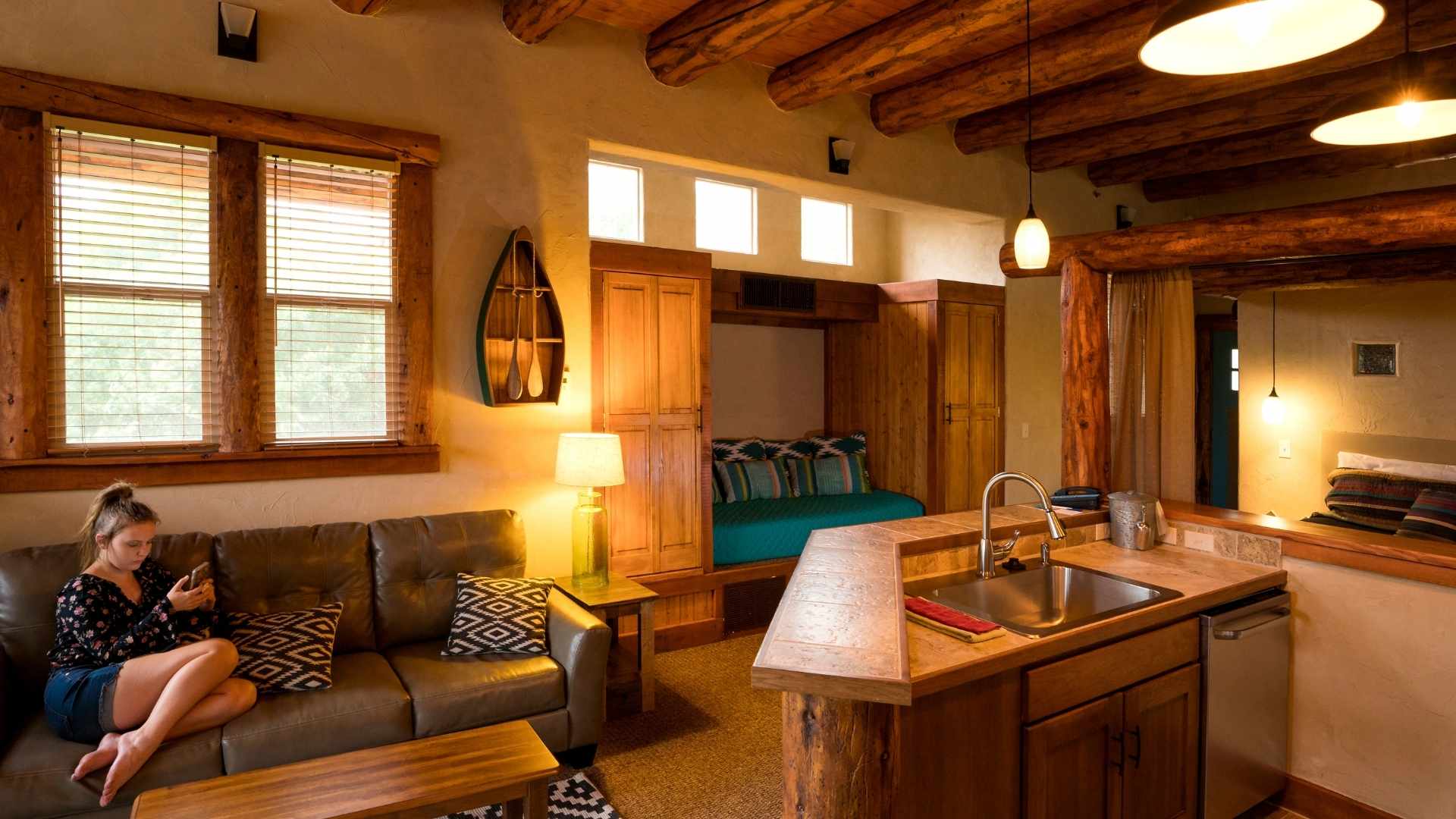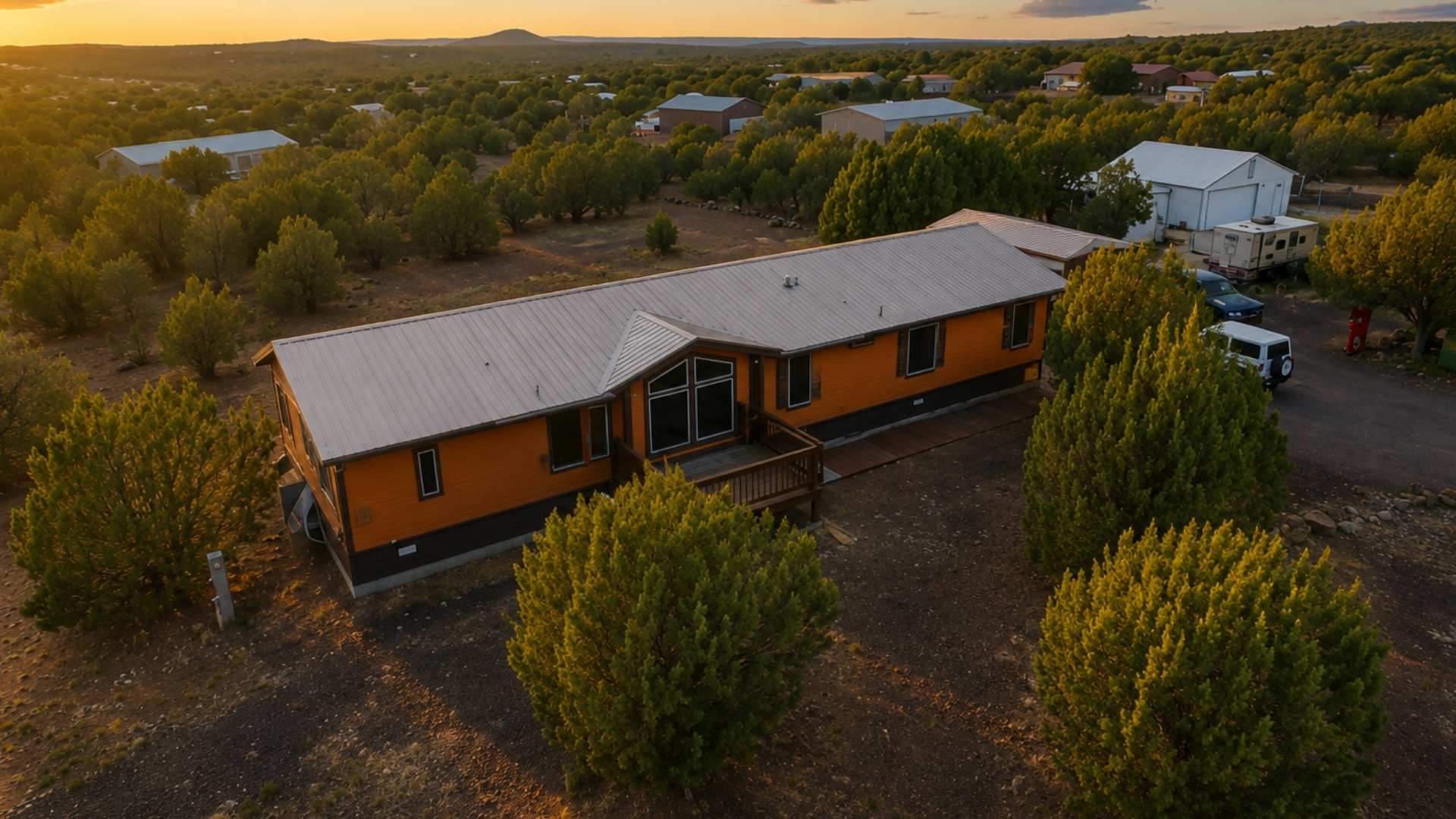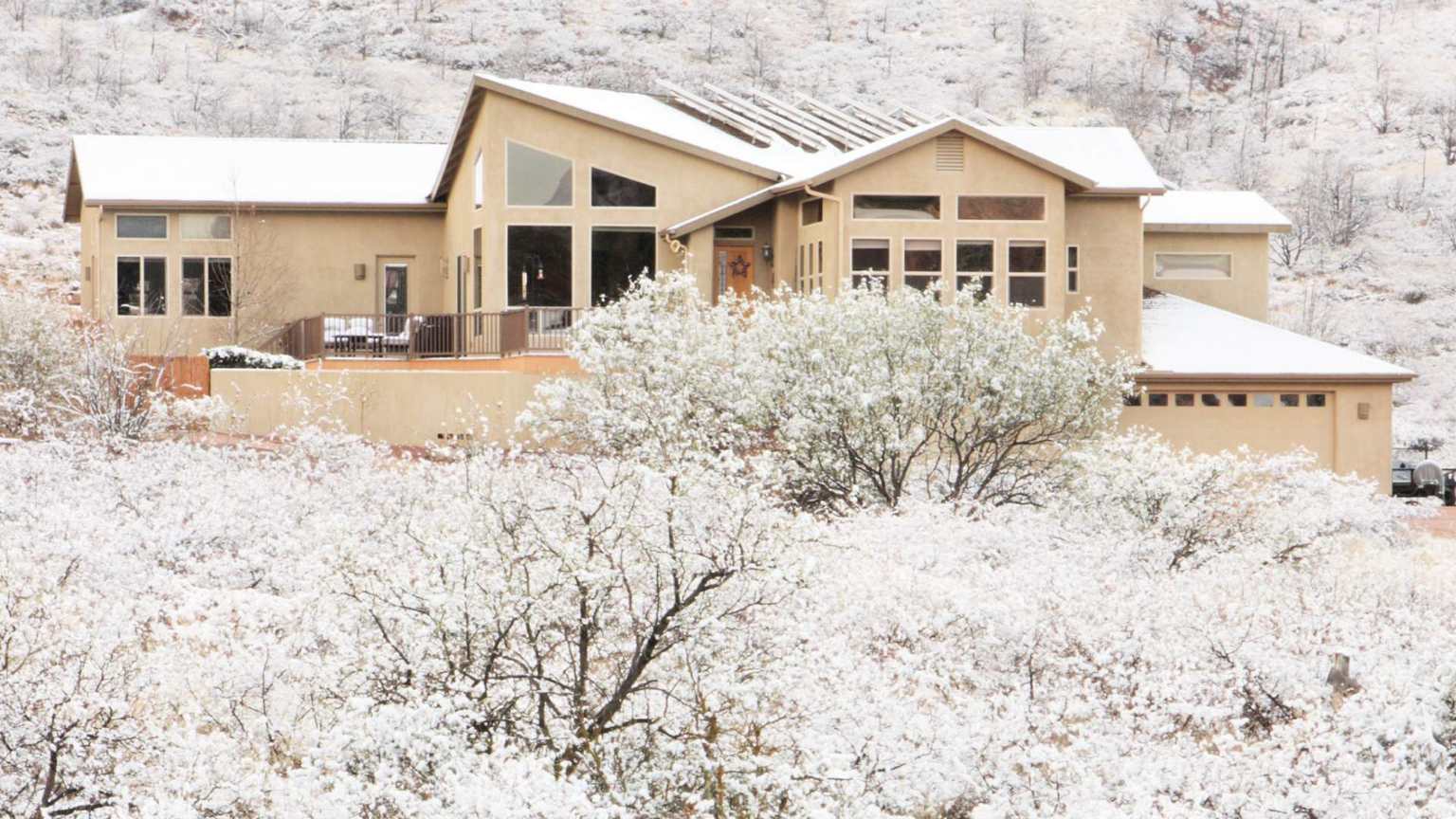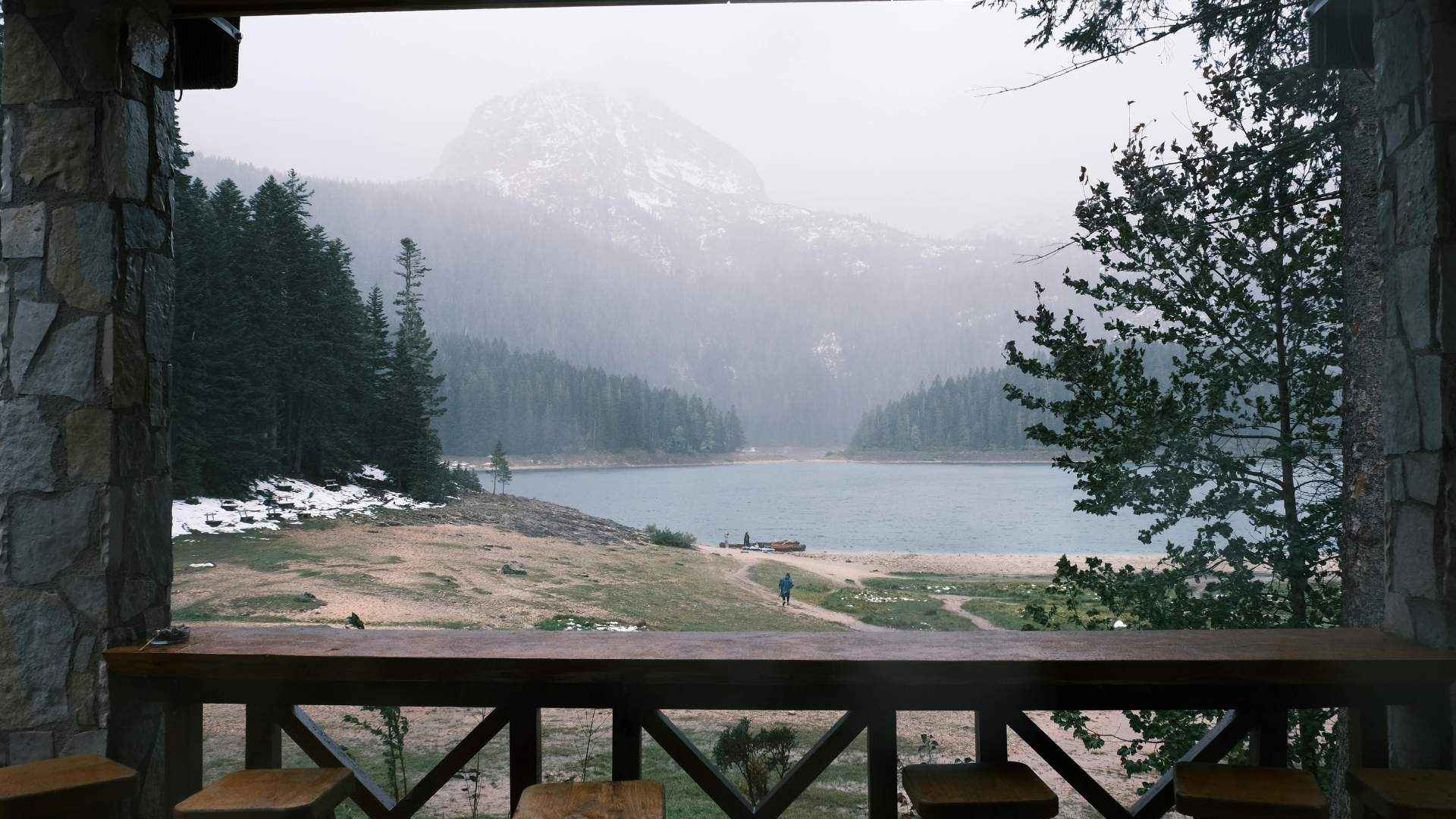
Buying a home near national forest land is one of the most appealing possibilities in Arizona’s White Mountains. For many buyers, the idea of living close to tall pines, trails, wildlife, open space, and public land is exactly what makes this region so attractive. A home near forest land can feel private, peaceful, and deeply connected to the mountain lifestyle.
But buyers should understand what “near national forest” really means before making an offer. Forest proximity can be a wonderful benefit, but it also comes with practical questions about boundaries, access, easements, maintenance, wildfire readiness, insurance, and long-term expectations. The right property can be a great fit, but the details matter.
Why Buyers Love Homes Near National Forest Land
Homes near national forest land often offer a feeling that is hard to recreate in a typical subdivision. The setting may feel quieter, more natural, and more spacious. Buyers may enjoy views of trees, easier access to hiking or riding areas, less nearby development, and a stronger sense of escape.
For second-home buyers, this can be especially appealing. A weekend cabin near public land can feel like a true retreat from the heat, traffic, and noise of larger Arizona cities. For full-time residents, forest proximity can offer daily access to nature and a lifestyle centered around the outdoors.
Many buyers are also drawn to the idea that land near public open space may feel more protected from dense development. While every property is different, the perception of privacy and natural surroundings can make these homes stand out.
“Near Forest Land” Does Not Always Mean “Backs to Forest”
One of the first things buyers should clarify is whether the property actually borders national forest land or is simply located nearby. Listing descriptions can sometimes use phrases such as “close to forest,” “near public land,” “forest access nearby,” or “backs to forest.” Those phrases do not all mean the same thing.
A home that directly borders national forest land may offer a different experience than a home that is a short drive or walk from public land. Buyers should confirm the actual property boundaries, review maps, and understand what land is private, what land is public, and what land may belong to another owner, association, utility, or government agency.
This is where assumptions can become expensive. A beautiful tree line behind a home does not automatically mean the owner controls or has direct access to the land beyond it. Buyers should verify before relying on any statement about access, privacy, or future use.
Boundaries Matter
When buying near national forest land, clear boundary understanding is essential. Buyers should review available surveys, parcel maps, title information, plat maps, and any boundary markers on the property. If there is uncertainty, a survey may be worth considering.
Boundary issues can affect fencing, driveway placement, outbuildings, trails, landscaping, and even assumptions about where private property ends. A buyer may think a clearing, trail, or tree line is part of the property when it is not.
This is especially important for rural and wooded properties where lot lines may not be obvious. In a neighborhood with sidewalks and fences, boundaries may be easier to interpret. In a forested mountain setting, they can be much less visible.
Access Is a Key Part of the Purchase
Access is one of the most important real-world questions when buying a home near national forest land. Buyers should understand how they legally reach the property, who maintains the road, whether access is year-round, and whether any easements are involved.
Some homes may be on public roads. Others may rely on private roads, shared driveways, easements, HOA-maintained roads, or seasonal routes. A road that looks passable in good weather may be more challenging after snow, heavy rain, or extended use.
Buyers should ask whether the road is publicly maintained, privately maintained, or not regularly maintained. They should also ask who pays for road grading, snow removal, drainage repairs, or gate maintenance if applicable.
Access is not just about convenience. It can affect emergency response, insurance, financing, deliveries, propane service, moving trucks, and daily livability.
Public Land Access Has Rules
One reason buyers love national forest proximity is the opportunity to enjoy recreation. Hiking, horseback riding, wildlife viewing, hunting, camping, riding off-highway vehicles where allowed, and simply exploring the outdoors can all be part of the appeal.
However, public land access comes with rules. National forest land is not private backyard space. Uses may be regulated, seasonal closures may apply, fire restrictions may be in effect, and motorized access may be limited to designated routes.
Buyers should avoid assuming they can cut trees, build trails, extend fences, store items, drive wherever they want, or improve land that is not privately owned. Even if a property feels remote, adjacent public land is still managed land.
A home near national forest can offer a beautiful lifestyle, but it is important to understand the difference between enjoying nearby public land and controlling it.
Privacy Can Vary by Location
Many buyers assume that a home near national forest land will automatically be private. Sometimes that is true, but not always. Public land may also attract hikers, hunters, riders, campers, off-road users, or seasonal visitors.
A property that feels secluded on a quiet weekday may feel different during a busy weekend or holiday period. Trailheads, access roads, hunting seasons, recreation routes, and camping areas can all affect how private the property feels.
Buyers should visit the area at different times if possible. They should look for nearby access points, parking areas, gates, trail routes, signs, and evidence of regular public use. This does not mean the property is a bad fit. It simply helps buyers understand what daily life may actually feel like.
Wildfire Readiness Is Especially Important
Homes near forested land require careful attention to wildfire readiness. Tall trees and natural vegetation are part of the appeal, but they also make defensible space, property maintenance, and insurance conversations more important.
Buyers should look at vegetation around the home, roof and gutter maintenance, firewood storage, deck conditions, driveway access, address visibility, and the overall ability for emergency vehicles to reach the property. They should also ask about prior tree work, defensible space improvements, and any local firewise efforts in the area.
Sellers can help by preparing the exterior before listing. Removing debris, trimming vegetation, clearing roofs and gutters, and providing maintenance records can make the home feel more cared for and easier for buyers to evaluate.
Wildfire risk does not mean buyers should avoid forested properties. It means they should understand the responsibility that comes with owning one.
Insurance Should Be Checked Early
Insurance is an important part of buying any home, but it deserves special attention with rural, wooded, or forest-adjacent properties. Buyers should check coverage options early in the purchase process rather than waiting until the end of escrow.
Premiums, deductibles, underwriting requirements, and availability can vary depending on the property’s location, access, condition, fire risk, roof, distance to services, and other factors. A property can still be a good fit, but buyers need to know the full ownership picture.
This is especially important for buyers relocating from urban or suburban areas who may not be familiar with rural insurance considerations. A home near national forest land can offer tremendous lifestyle value, but insurance should be part of the financial review.
Utilities May Not Be Standard
Homes near national forest land may be located in more rural areas where utilities vary from property to property. Some homes may have municipal water and sewer, while others may rely on private wells, shared wells, hauled water, septic systems, propane, generators, solar systems, or alternative utility arrangements.
Buyers should ask detailed questions about water source, septic records, propane service, electric service, internet availability, trash service, road maintenance, and winter access. These practical details can have a major impact on comfort and long-term ownership.
The more rural the setting, the more important due diligence becomes. A buyer should never assume that a home has the same utility setup as a property closer to town.
Financing Can Depend on Property Details
Some forest-adjacent or rural homes may require additional review during financing. Lenders may consider property condition, access, water source, septic systems, manufactured home status, appraisal issues, or whether the property is considered unique for the area.
This does not mean financing is not available. It simply means buyers should work with a lender who understands rural and mountain properties. Local experience can be valuable, especially when the property includes acreage, a private well, septic, manufactured housing, or unusual access.
Buyers should speak with their lender early and provide as much property detail as possible. The goal is to avoid surprises once the transaction is underway.
What Sellers Should Highlight
Sellers with homes near national forest land should present the lifestyle clearly, but they should also be accurate. If the property borders public land, that can be a meaningful feature. If it is simply nearby, the listing language should reflect that honestly.
Sellers may want to highlight trail access, views, privacy, outdoor living areas, maintained defensible space, road access, utility details, recent maintenance, and any documentation that helps buyers understand the property.
A well-prepared listing should not oversell assumptions. Buyers appreciate clarity. Strong marketing can celebrate the lifestyle while still being careful about boundaries, access, and ownership details.
Questions Buyers Should Ask
Buyers considering a home near national forest land should ask whether the property directly borders public land, whether there is a survey, where the boundaries are located, and whether any easements affect access or use.
They should also ask who maintains the road, whether access is year-round, what utilities serve the home, whether insurance has been confirmed, and whether the property has any known access, boundary, or maintenance issues.
Other helpful questions include whether there are nearby trailheads or recreation routes, whether public use affects privacy, whether fire restrictions are common, and what maintenance is needed to keep the home safe and functional.
Final Thoughts
Buying a home near national forest land in Arizona’s White Mountains can be a wonderful way to enjoy privacy, recreation, natural beauty, and a stronger connection to the outdoors. For many buyers, it represents the mountain lifestyle they have been looking for.
The key is to combine that lifestyle dream with practical due diligence. Boundaries, access, easements, utilities, wildfire readiness, insurance, and road maintenance all matter. A home near public land can be an excellent purchase when buyers understand both the benefits and the responsibilities.
With experienced local guidance, buyers can compare properties more confidently and avoid assumptions that may not match the reality on the ground. The right White Mountains home should not only look beautiful online. It should also fit the way you want to live, maintain, and enjoy the property for years to come.