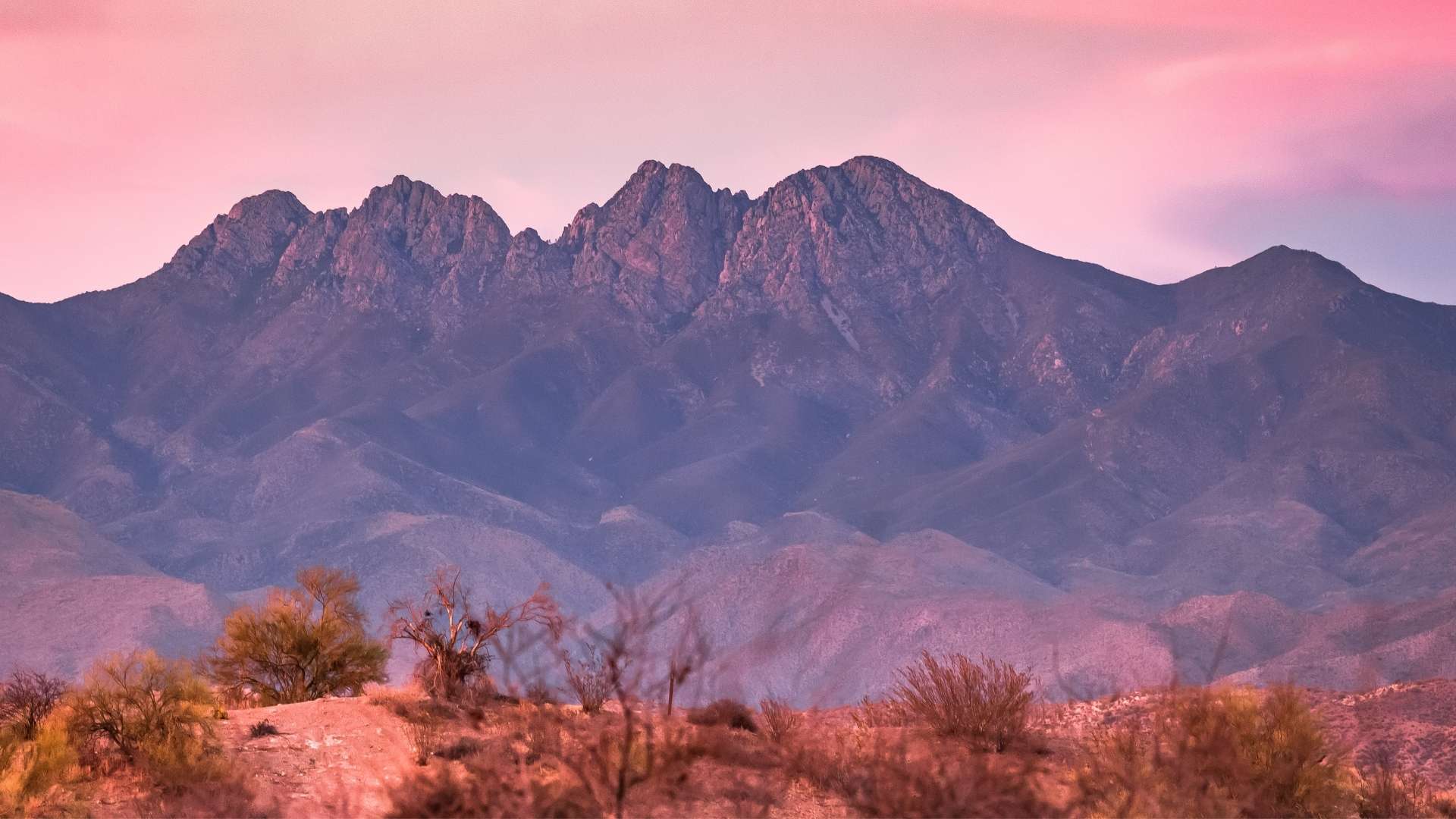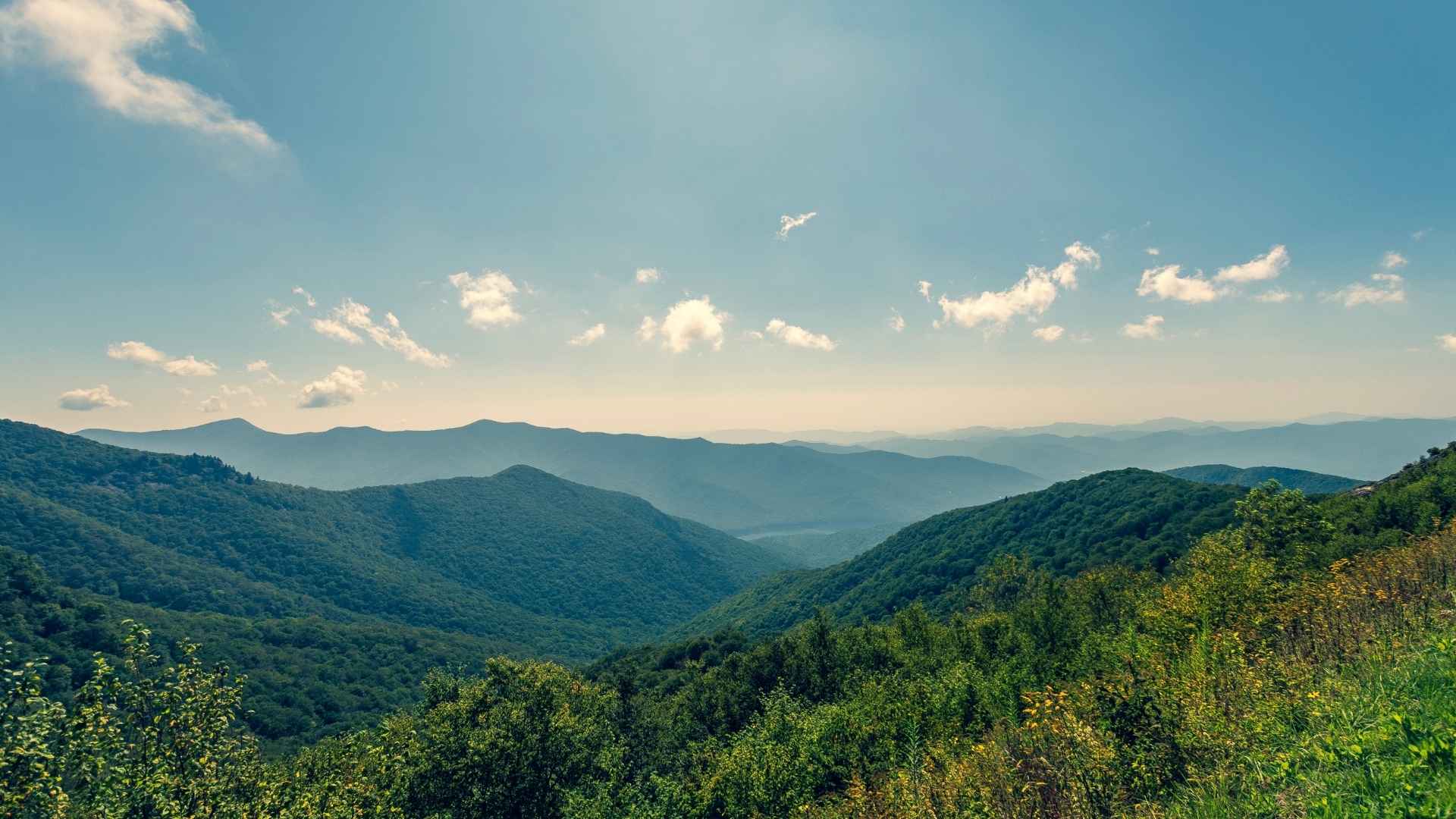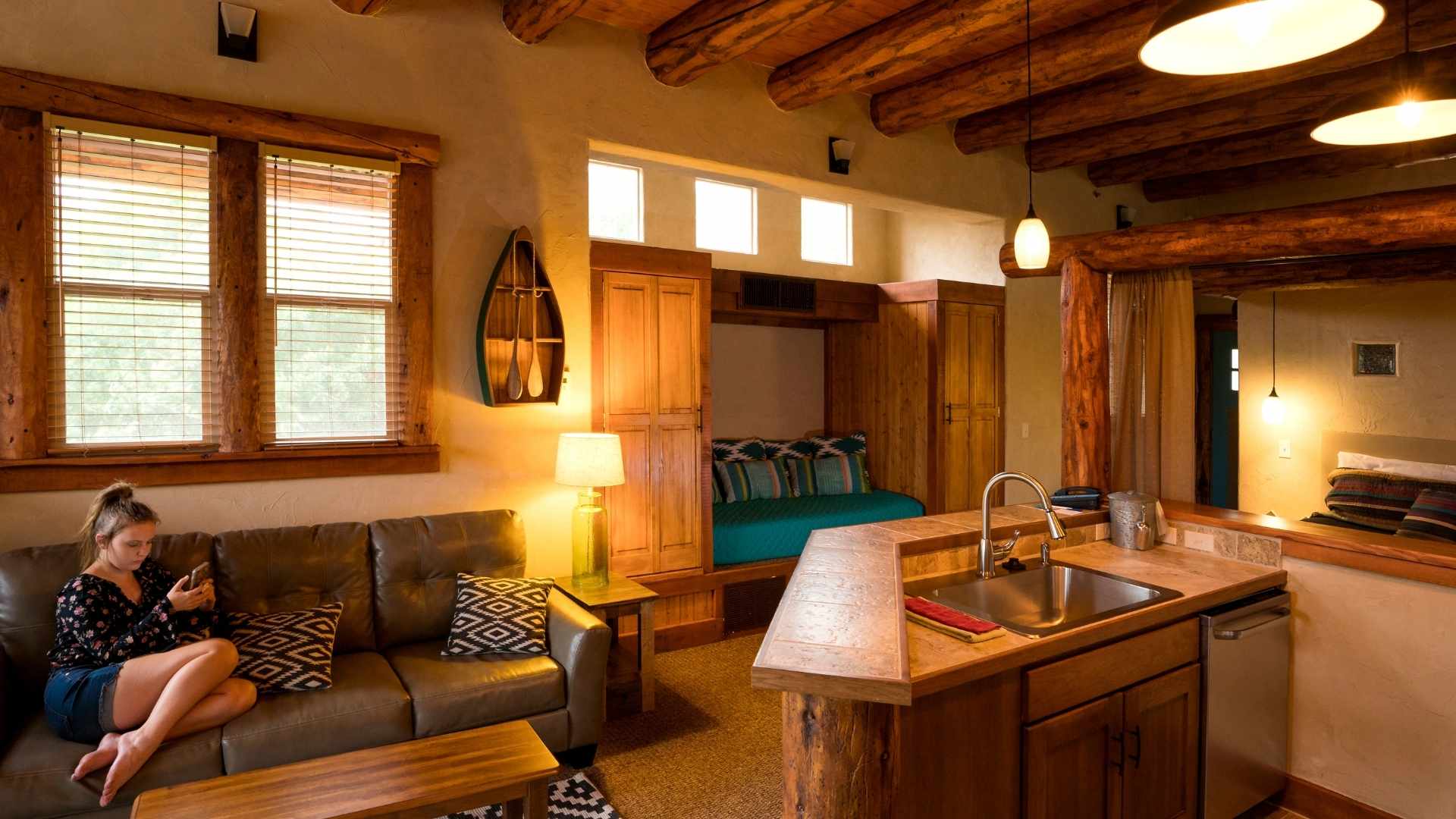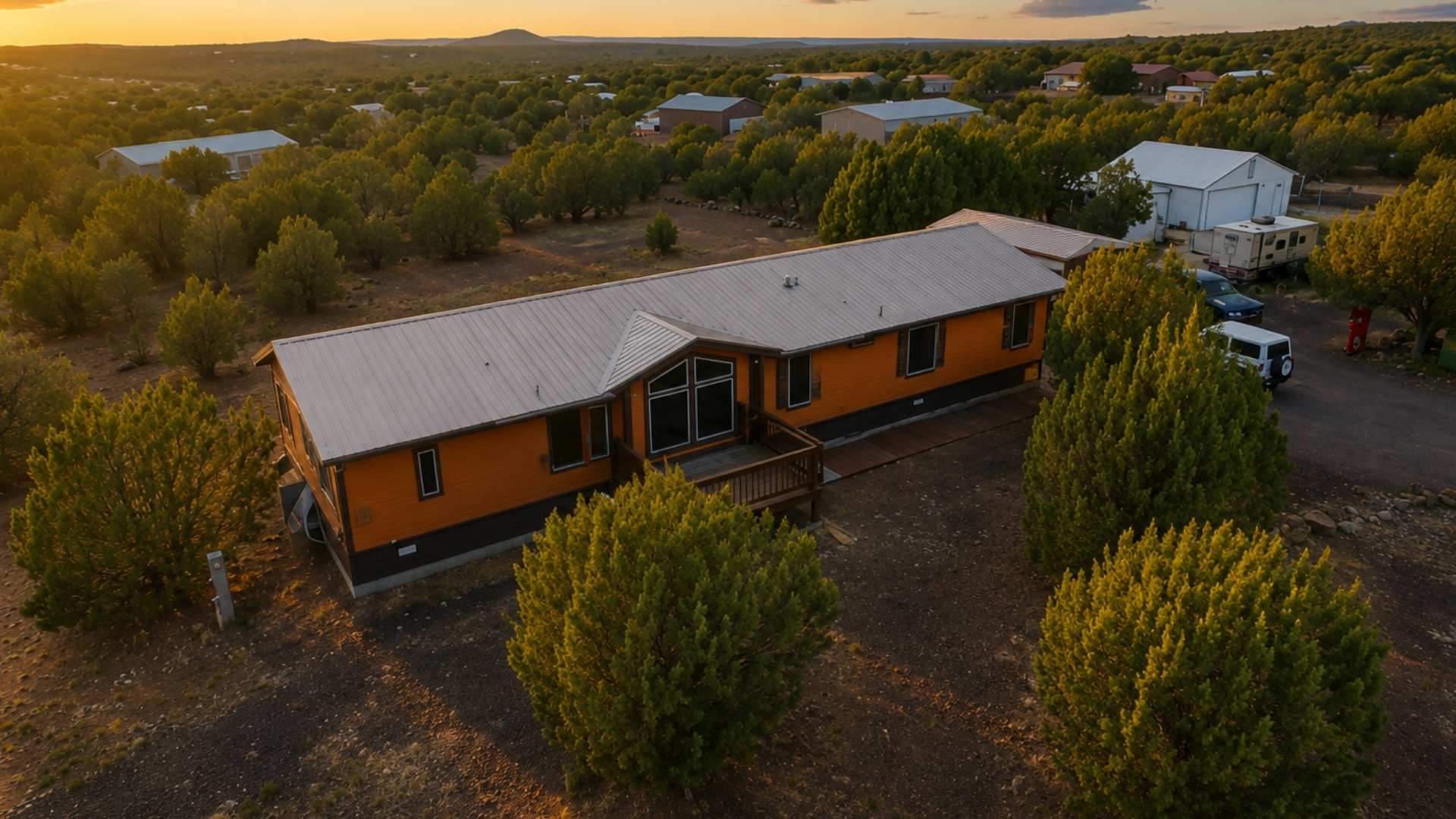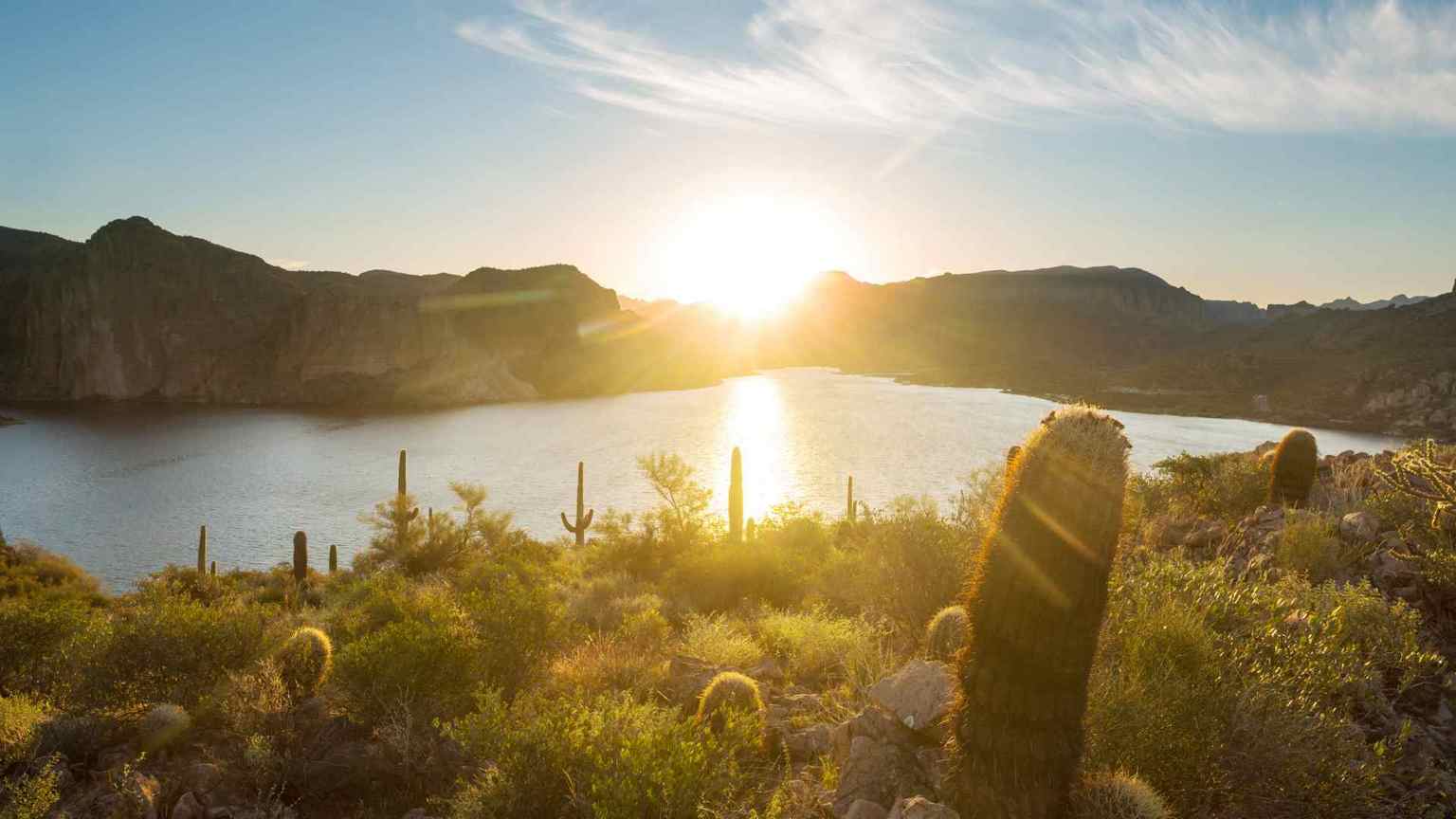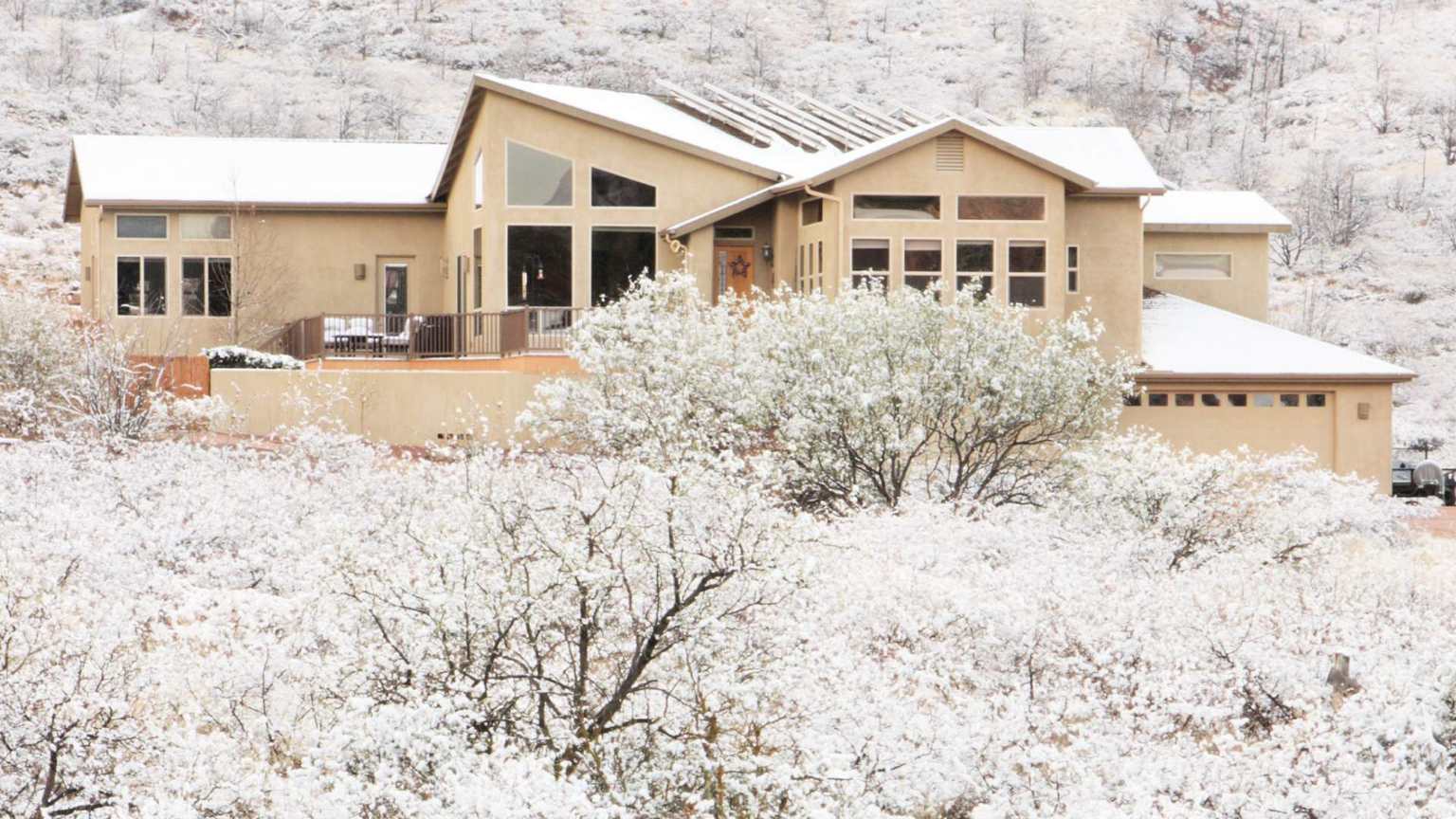
Living in Arizona’s White Mountains offers a rare combination of mountain air, tall pines, seasonal beauty, and a lifestyle that feels far removed from the desert heat. For many homeowners, that change of seasons is one of the biggest reasons to buy here. Cooler summers, crisp fall mornings, snowy winter days, and quiet cabin weekends are all part of the appeal.
But owning a home in a mountain climate also comes with responsibilities. Whether you live in the White Mountains full time, use your home as a weekend retreat, or own a seasonal cabin, winter preparation matters. A home that is properly winterized is more comfortable, more efficient, and better protected from preventable damage.
Why Winter Preparation Matters in the White Mountains
Arizona buyers sometimes underestimate winter in the White Mountains because they associate the state with desert heat. But communities such as Show Low, Pinetop-Lakeside, Heber-Overgaard, Snowflake, Taylor, and nearby mountain areas can experience freezing temperatures, snow, ice, wind, and seasonal access issues.
That does not mean winter living has to be difficult. It simply means homeowners need to understand the property and prepare ahead of time. Pipes, heating systems, driveways, roofs, decks, propane tanks, septic systems, and vacant-home checks can all become more important during colder months.
For buyers, winterization should be part of the due diligence conversation. For sellers, a well-maintained winter-ready home can help build buyer confidence. For current owners, a seasonal checklist can prevent small issues from becoming expensive problems.
Start With the Heating System
The heating system is one of the most important parts of winter homeownership in the White Mountains. Before cold weather sets in, homeowners should make sure the system is working properly and has been serviced if needed.
Depending on the property, heating may come from a furnace, heat pump, wood stove, pellet stove, fireplace, propane system, electric baseboard heat, mini-split system, or a combination of sources. Each system has its own maintenance requirements.
A furnace or heat pump may need filter changes, thermostat checks, and professional service. A wood stove or fireplace may require chimney cleaning and safe ash disposal. A propane system should be checked for adequate fuel levels, safe operation, and reliable delivery access during winter conditions.
Buyers should ask what type of heat the home uses, how old the system is, how it has been maintained, and whether it is adequate for year-round use. A charming cabin can lose some appeal quickly if the heating system is unreliable or poorly understood.
Protect Pipes From Freezing
Frozen pipes are one of the biggest winter risks for mountain homes, especially cabins and second homes that may sit vacant for long periods. When water freezes inside pipes, it can expand and cause cracks, leaks, or major water damage once temperatures rise.
Homeowners should know where the main water shutoff is located and how to turn it off. Exposed pipes, crawl spaces, exterior hose bibs, garages, and poorly insulated areas should be checked before winter. Pipe insulation can help reduce risk in vulnerable areas.
For seasonal homes, owners may need to consider draining water lines, setting thermostats at a safe minimum temperature, opening cabinet doors under sinks, disconnecting hoses, and having someone check the property during extended absences. The right approach depends on the home’s plumbing system and how often the property is occupied.
Buyers should pay attention to plumbing locations, crawl space access, insulation, prior leak history, and whether the home has been used year-round or only seasonally. These details can affect both comfort and maintenance planning.
Check the Roof, Gutters, and Drainage
Roofs and gutters work harder during winter weather. Snow, ice, pine needles, leaves, and debris can create problems if the home is not maintained before the season begins.
Homeowners should check that gutters are clear, downspouts are flowing away from the foundation, and roof valleys are not packed with debris. Pine needles can build up quickly in wooded areas, especially around cabins and homes surrounded by trees.
The roof should also be inspected for missing shingles, damaged flashing, soft spots, or signs of wear. Small roof issues can become more serious when exposed to snow, ice, and repeated freeze-thaw cycles.
Drainage matters too. Water should move away from the home rather than pooling near the foundation, driveway, steps, or walkways. In mountain areas, melting snow can create slick surfaces or drainage problems if the property is not graded or maintained well.
Prepare Driveways, Walkways, and Access Roads
Winter access is an important consideration in the White Mountains, especially for rural properties, cabins, and homes outside town centers. A driveway that feels easy in July may look very different after snow or freezing weather.
Homeowners should think about how the driveway will be cleared, whether the road is maintained, who is responsible for snow removal, and whether emergency vehicles can access the property. Gravel roads, long driveways, steep grades, shaded areas, and private roads all deserve attention.
For buyers, winter access should be reviewed before purchasing. Ask whether the road is publicly maintained, privately maintained, HOA-maintained, or not regularly maintained. Also consider whether the property is practical for year-round living or better suited for seasonal use.
For sellers, providing clear information about road maintenance and winter access can help buyers feel more comfortable. This is especially important for out-of-area buyers who may not understand how much access can vary from one neighborhood to another.
Pay Attention to Propane and Fuel Supply
Many White Mountains homes use propane for heat, cooking, fireplaces, water heaters, or backup systems. Propane can be an excellent energy source, but it requires planning.
Before winter, homeowners should check tank levels, delivery schedules, access for propane trucks, and whether the tank is owned or leased. If the home is occupied seasonally, it is especially important to avoid running too low during cold weather.
Buyers should ask what systems run on propane, how often the tank is filled, who the provider is, and what typical usage looks like during winter. They should also ask whether delivery access is reliable when roads are snowy or icy.
For second-home owners, automatic delivery or remote monitoring may be worth considering. Running out of propane during a cold stretch can create comfort problems and may increase the risk of frozen pipes if the home loses heat.
Think About Power Outages and Backup Plans
Winter storms can sometimes bring power outages. They may be brief, but even a short outage can be stressful if a home depends on electric heat, well pumps, internet, garage doors, or other essential systems.
Homeowners should consider basic backup plans. This may include flashlights, batteries, a safe heat source, backup power options, a charged phone, and knowledge of how to manually operate key systems. Some owners may choose to install a generator or battery backup, depending on the property and their comfort level.
Buyers should ask whether the home has experienced frequent outages, whether backup power exists, and what systems stop working if electricity goes out. A rural mountain home may require more planning than a home in a city neighborhood.
A backup plan does not need to be complicated. It simply needs to match how the property is used.
Maintain Decks, Porches, and Exterior Steps
Decks and porches are a big part of mountain living, but they also need winter attention. Snow, ice, wet leaves, and pine needles can create slippery surfaces and contribute to wood deterioration over time.
Before winter, homeowners should clear debris, check railings, look for loose boards, and make sure steps are safe. If a deck sits under trees, it may need regular cleaning throughout the season.
Buyers should pay close attention to the condition of decks, stairs, porches, and exterior walkways. Mountain homes often have outdoor living areas that look beautiful in listing photos, but those areas should still be inspected carefully.
For sellers, exterior safety and maintenance can influence first impressions. A clean, sturdy, well-maintained deck helps buyers imagine enjoying the property rather than worrying about repairs.
Winterize Vacant and Seasonal Homes Carefully
Seasonal homes need a different level of planning than full-time residences. If a property will sit vacant for weeks or months, owners should have a winter plan in place.
That plan may include setting the thermostat to a safe temperature, shutting off or draining water lines, checking propane levels, unplugging unnecessary appliances, securing windows and doors, removing food that could attract pests, clearing gutters, and arranging periodic property checks.
A trusted local contact can be very helpful. That might be a neighbor, property manager, maintenance provider, or local service professional who can check the home after storms, power outages, or extreme cold.
For buyers, it is important to understand that a second home is not simply a home you leave behind until the next visit. In a mountain environment, seasonal ownership comes with maintenance responsibilities.
Do Not Forget Septic Systems and Wells
Many rural and mountain properties in Navajo and Apache County rely on septic systems, wells, hauled water, or other non-city utilities. These systems should be understood before winter.
Septic systems should be properly maintained and not overloaded. Well equipment and pressure tanks should be protected from freezing where applicable. Pump houses, exposed lines, and utility areas may need insulation or heat protection.
Buyers should ask whether the property has a private well, shared well, hauled water, septic system, sewer connection, or community water system. They should also ask for available records, service history, and inspection information.
These details are not unusual in rural real estate, but they are important. A buyer who understands the systems is much better prepared for ownership.
Review Insurance and Maintenance Expectations
Winter conditions can affect insurance considerations, especially if a home is seasonal, vacant, remote, or located in an area with additional weather or wildfire concerns. Buyers and owners should understand their coverage, deductibles, vacancy rules, and any requirements related to heat, inspections, or property maintenance.
Some policies may have specific requirements if a home is left vacant for extended periods. Others may require certain precautions to reduce risk. It is better to ask these questions early rather than after a problem occurs.
For buyers, insurance should be reviewed during the purchase process. For current owners, an annual policy review can help make sure the coverage still matches the way the home is being used.
Seller Tips for a Winter Listing
Selling a home during colder months can work well if the property is prepared properly. A winter-ready home can feel warm, inviting, and reassuring to buyers.
Sellers should make sure the home is heated for showings, walkways are safe, driveways are accessible, lights are working, and exterior areas are clean. If the home has a fireplace or wood stove, it should be clean and safely presented. If there are maintenance records for heating, roof work, chimney cleaning, propane service, or snow removal, those records can be helpful.
Winter listings should also be honest about access and maintenance. Buyers appreciate clarity. A home that is presented with practical information can feel more trustworthy than one where important details are vague.
Buyer Tips for Touring Homes in Winter
Touring homes in winter can actually be helpful because buyers get to see how the property performs during the season. They may notice driveway conditions, heating comfort, window drafts, roof drainage, snow accumulation, and neighborhood access more clearly than they would in summer.
Buyers should take their time and look beyond the cozy feeling of a cabin in winter. Ask about heating costs, snow removal, road maintenance, roof age, insulation, plumbing protection, propane usage, and whether the home has been used year-round.
A winter tour can reveal important information. With the right guidance, it can help buyers make a more confident decision.
Final Thoughts
Winterizing a White Mountains home is not about making ownership complicated. It is about protecting the property and enjoying the mountain lifestyle with fewer surprises. The homes that perform best through winter are usually the ones that are understood, maintained, and prepared before cold weather arrives.
For full-time residents, winter preparation supports comfort and safety. For second-home owners, it protects the property while they are away. For buyers, it helps clarify what ownership will really involve. For sellers, it can improve buyer confidence and make the home feel more cared for.
Arizona’s White Mountains are a beautiful place to own a home in every season. With the right winterization plan, homeowners can enjoy the best of mountain living while reducing the risk of avoidable repairs, access issues, and seasonal stress.