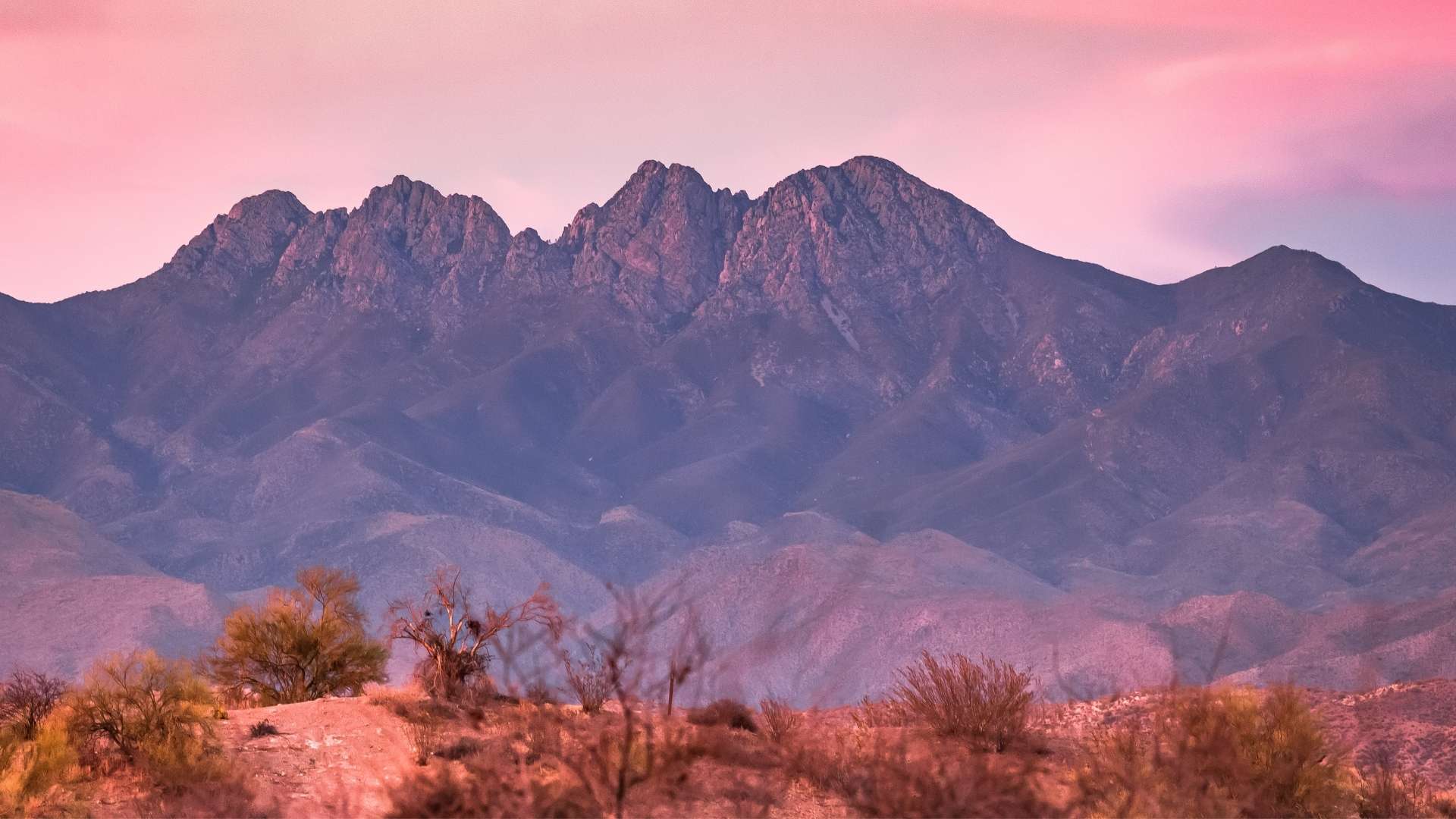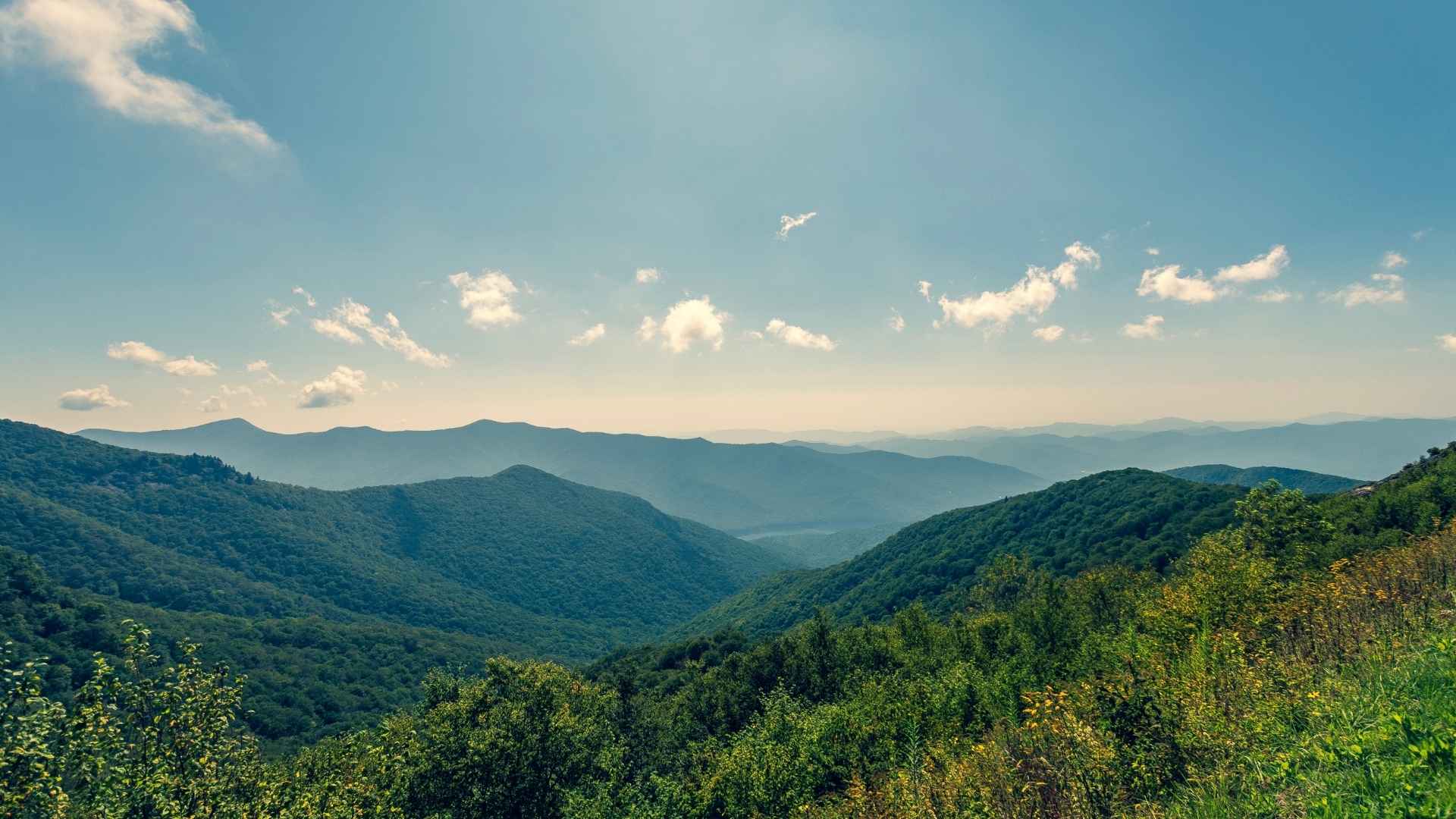
Living in Arizona’s White Mountains comes with many of the qualities buyers love most: tall pines, cooler temperatures, mountain air, wildlife, trails, quiet neighborhoods, and a welcome escape from the heat of the desert. For many homeowners, that natural setting is exactly the appeal. It is also the reason wildfire readiness should be part of every real estate conversation in the region.
Whether you are buying a cabin, preparing to sell a full-time residence, or maintaining a second home in Navajo or Apache County, understanding Firewise principles can help you make smarter decisions. A Firewise home is not a guarantee against wildfire damage, but it reflects a thoughtful approach to reducing risk, improving property maintenance, and helping buyers feel more confident about the condition of the home and surrounding land.
What Does “Firewise” Mean?
Firewise is commonly used to describe homes, neighborhoods, and communities that take practical steps to reduce wildfire risk. The idea is simple: homeowners cannot control every wildfire threat, but they can reduce the amount of flammable material close to the home and make the property easier to defend.
For real estate purposes, Firewise preparation usually means paying attention to the home itself, the immediate area around the structure, the surrounding vegetation, and the way the property is maintained over time. It can include clearing dry debris, trimming branches, creating defensible space, improving access, maintaining roofs and gutters, and being aware of local fire restrictions during dry periods.
In the White Mountains, these details matter because many properties are located near pine forests, rural roads, open land, or wooded neighborhoods. Buyers are not only purchasing a house. They are purchasing a setting, and that setting needs to be understood and maintained responsibly.
Why Wildfire Readiness Matters in the White Mountains
Wildfire risk is part of life in many beautiful mountain communities across the West, and Arizona’s White Mountains are no exception. The same trees, privacy, and natural surroundings that make the region attractive can also create risk when vegetation, dry needles, branches, and other combustible materials build up around a home.
For buyers, wildfire readiness can affect comfort level, inspection concerns, long-term maintenance expectations, and insurance conversations. For sellers, it can influence how the property is perceived when it goes on the market. A home that looks well maintained, accessible, and thoughtfully prepared may give buyers more confidence than a property with overgrown vegetation, debris-filled gutters, blocked access, or unclear maintenance history.
Wildfire preparation is not just about emergency planning. It is also part of responsible mountain homeownership. Buyers moving from Phoenix, Tucson, Southern California, or other urban areas may not always understand the maintenance rhythm of a rural or forested property. A good local real estate conversation should help them understand what ownership really involves.
Defensible Space: The Buffer Around the Home
One of the most important Firewise ideas is defensible space. This refers to the maintained buffer between the home and surrounding vegetation or wildland fuels. The goal is to reduce the chance that flames, heat, or wind-driven embers can easily ignite the structure.
The area closest to the home is especially important. Homeowners should pay attention to leaves, pine needles, dry grass, firewood, patio furniture, grills, planters, and other combustible materials that may sit close to siding, decks, porches, or exterior walls. Roofs and gutters should also be kept clear of debris because windblown embers can collect there during fire conditions.
Farther out from the home, defensible space may involve thinning vegetation, trimming low branches, removing dead plants, spacing trees and shrubs, and keeping grasses cut. The exact approach depends on the property, slope, vegetation type, neighborhood, and local guidance. The important point is that buyers and sellers should look at the land around the home, not just the interior finishes.
What Buyers Should Look For
When buying a home in the White Mountains, it is easy to fall in love with a wooded lot, a private driveway, or a cabin tucked into the trees. Those features may be exactly what you want, but they should also be evaluated carefully.
Buyers should look at how close trees and shrubs are to the home, whether branches overhang the roof, whether gutters are clean, whether decks or porches have debris underneath, and whether firewood or other materials are stored too close to the structure. They should also consider road access, driveway width, address visibility, turnaround space, and whether emergency vehicles could reasonably access the property.
Insurance should also be part of the conversation early in the process. In some wildfire-prone areas, buyers may need more time to confirm coverage options, premiums, deductibles, and any underwriting requirements. A property may still be a great fit, but buyers should avoid waiting until the last minute to understand insurance availability and cost.
What Sellers Can Do Before Listing
For sellers, Firewise preparation can be part of listing preparation, just like cleaning, repairs, staging, and curb appeal. A well-maintained exterior tells buyers that the property has been cared for, and that can be especially important for mountain homes.
Before listing, sellers may want to remove pine needles and leaves from roofs, gutters, decks, and around the foundation. They can trim branches away from the roofline, clean up dead vegetation, move firewood away from the house, reduce clutter around outbuildings, and make sure the driveway and address marker are easy to see.
Sellers should also gather helpful records when available. Documentation for roof work, tree service, chimney cleaning, septic maintenance, propane service, insurance history, or other property care can help buyers understand the home’s condition. In rural and mountain markets, a clean file of maintenance information can be very useful.
Cabins and Second Homes Need Extra Attention
Second homes and seasonal cabins require special attention because they may sit vacant for long periods. A home that is only used on weekends or during the summer can accumulate pine needles, leaves, and debris without the owner noticing right away.
Owners of seasonal properties should think about who will check the home when they are away, especially during windy periods, dry seasons, or after storms. A property manager, neighbor, local service provider, or routine maintenance plan can help prevent small issues from becoming larger problems.
For buyers considering a second home, it is wise to think honestly about maintenance. A wooded mountain cabin may be beautiful, but it is not maintenance-free. Roofs, gutters, decks, propane systems, heating systems, vegetation, and access roads all require attention.
Insurance and Buyer Confidence
Insurance has become a bigger concern in many wildfire-prone regions, and buyers should treat it as an early due-diligence item. A buyer may love a property, but the ownership picture is incomplete until insurance availability and cost are understood.
Firewise preparation may not automatically lower premiums or guarantee coverage, but visible maintenance and risk reduction can still help the property make a stronger impression. Buyers want to see that the home is cared for and that the surrounding land has not been ignored.
For sellers, this is another reason to address exterior maintenance before listing. Even if a buyer is ultimately responsible for confirming insurance, a cleaner and more prepared property may reduce hesitation and help the home feel more move-in ready.
Fire Restrictions and Responsible Mountain Living
Homeowners and visitors in the White Mountains should also pay attention to fire restrictions. During dry conditions, restrictions may affect campfires, charcoal use, outdoor burning, equipment use, and other activities. These rules can vary by jurisdiction and land management area, so owners should check current local sources before assuming something is allowed.
For people moving from urban areas, this can be an adjustment. A mountain lifestyle comes with responsibilities that may not be part of daily life in the city. Understanding seasonal fire restrictions, safe disposal of ashes, outdoor equipment use, and emergency alerts is part of becoming a responsible local homeowner.
Neighborhoods Matter Too
Wildfire readiness is not only a single-property issue. One well-maintained home can still be affected by surrounding conditions. That is why Firewise communities and neighborhood-level awareness can be valuable.
When buyers evaluate a property, they may also want to look at the broader neighborhood. Are surrounding properties maintained? Are roads passable? Is there visible debris or overgrowth? Do nearby homes have defensible space? Is there a community association or local effort focused on wildfire awareness?
For sellers, neighborhood pride can also support property value. When a community takes maintenance and fire readiness seriously, it can create a stronger impression for buyers who are comparing different areas in the White Mountains.
Questions Buyers Should Ask
Buyers considering a White Mountains home may want to ask whether the property has had recent tree trimming, whether gutters and rooflines are regularly cleaned, whether firewood is stored away from the home, whether the driveway is accessible year-round, and whether the home has any known insurance concerns.
They may also want to ask about utilities, propane, septic, wells, road maintenance, HOA rules, and emergency access. These questions are not meant to discourage a purchase. They are meant to help buyers understand the property fully before making a decision.
A home in the White Mountains can be a wonderful investment in lifestyle, comfort, and long-term enjoyment. The goal is to match that dream with practical knowledge.
Final Thoughts
Firewise preparation is an important part of buying, selling, and owning property in Arizona’s White Mountains. It does not remove every risk, but it can help homeowners reduce hazards, improve maintenance, support buyer confidence, and participate more responsibly in mountain community life.
For buyers, the key is to look beyond the listing photos and understand the property’s setting, access, vegetation, maintenance history, and insurance considerations. For sellers, the key is to prepare the exterior as carefully as the interior, because buyers will be paying attention to the home, the land, and the long-term responsibilities that come with both.
Arizona’s White Mountains remain one of the state’s most appealing places to live, retreat, and invest. With the right guidance and a practical approach to wildfire readiness, buyers and sellers can make more informed decisions and better protect the lifestyle that makes this region so special.