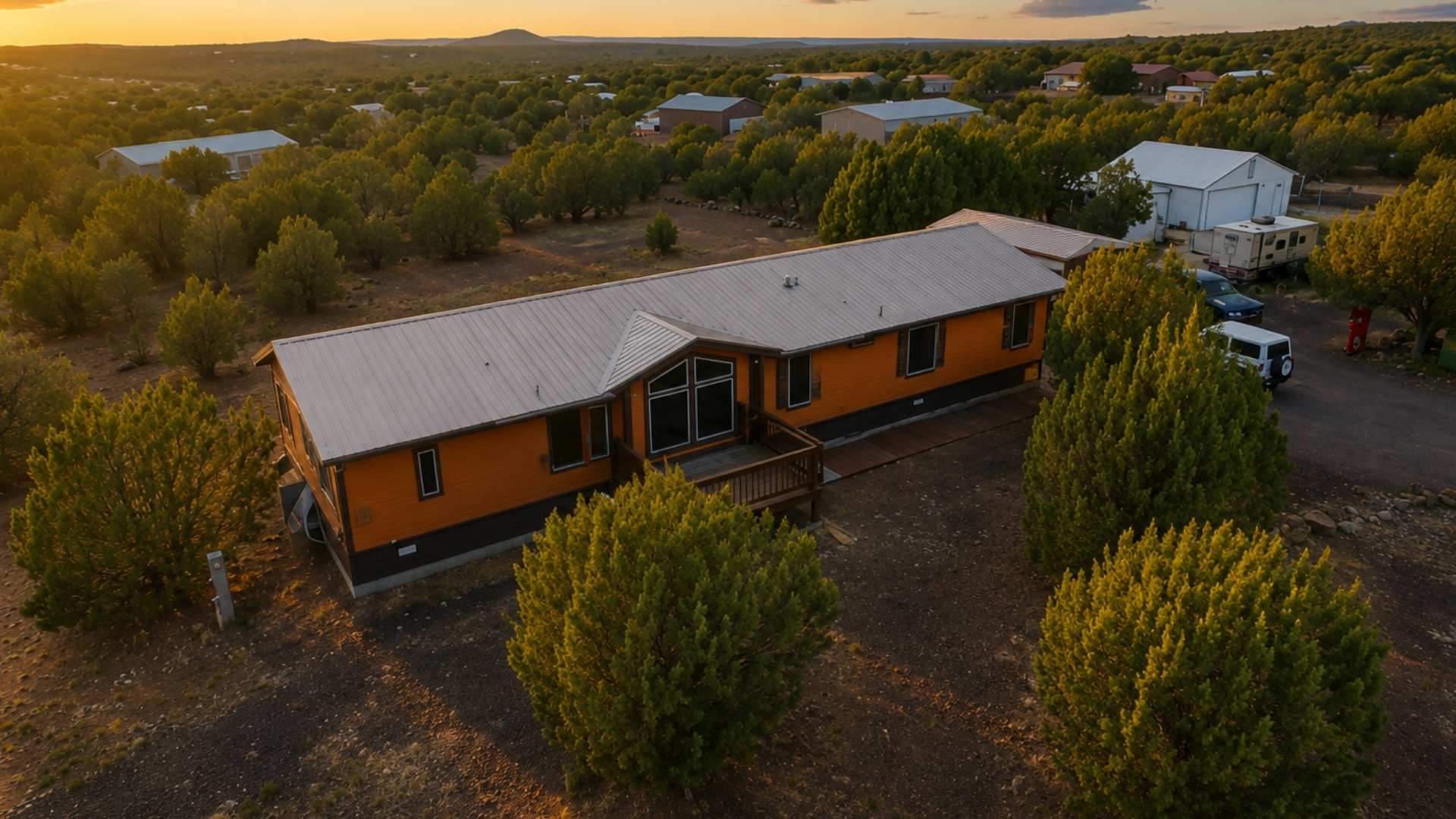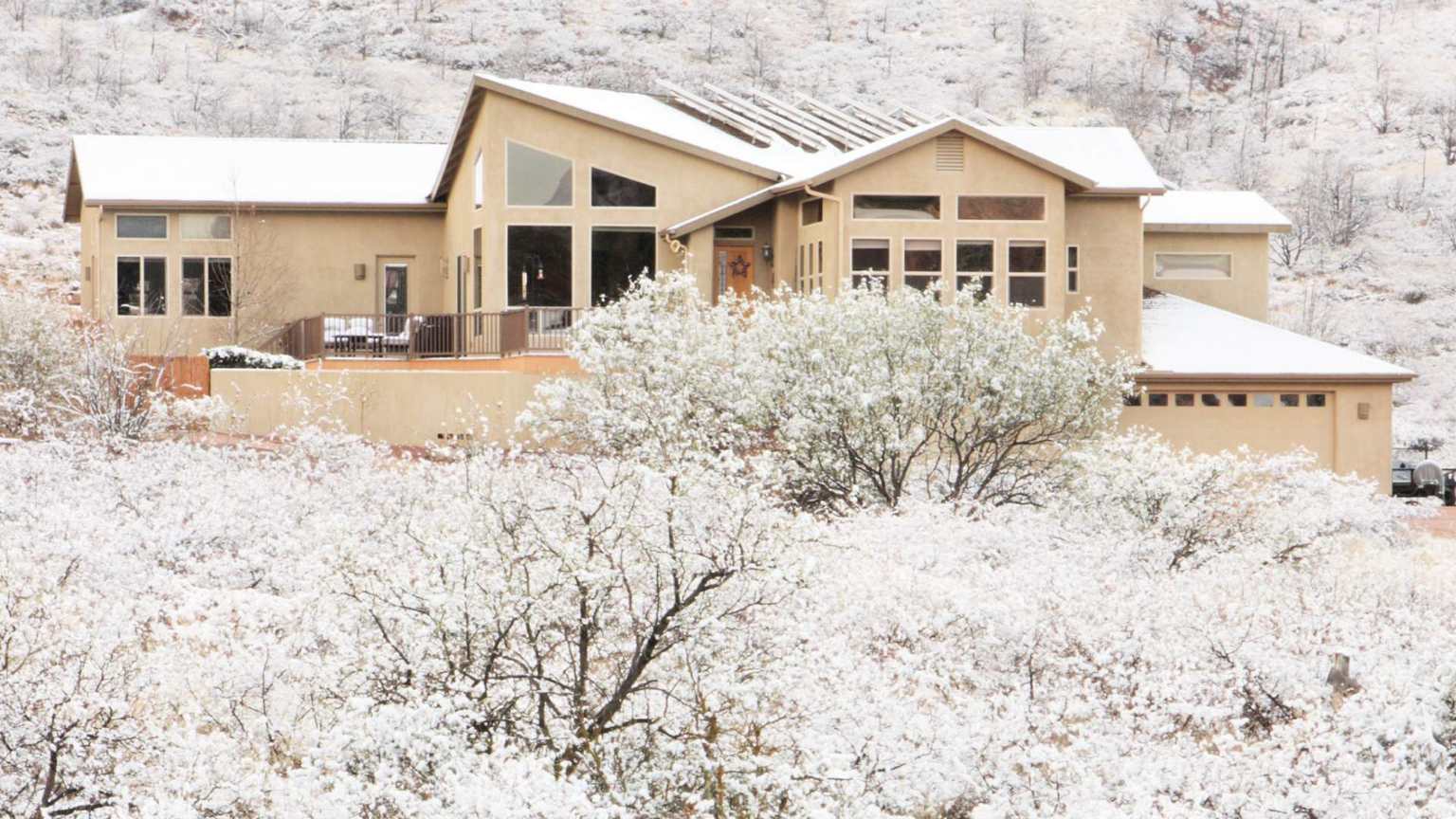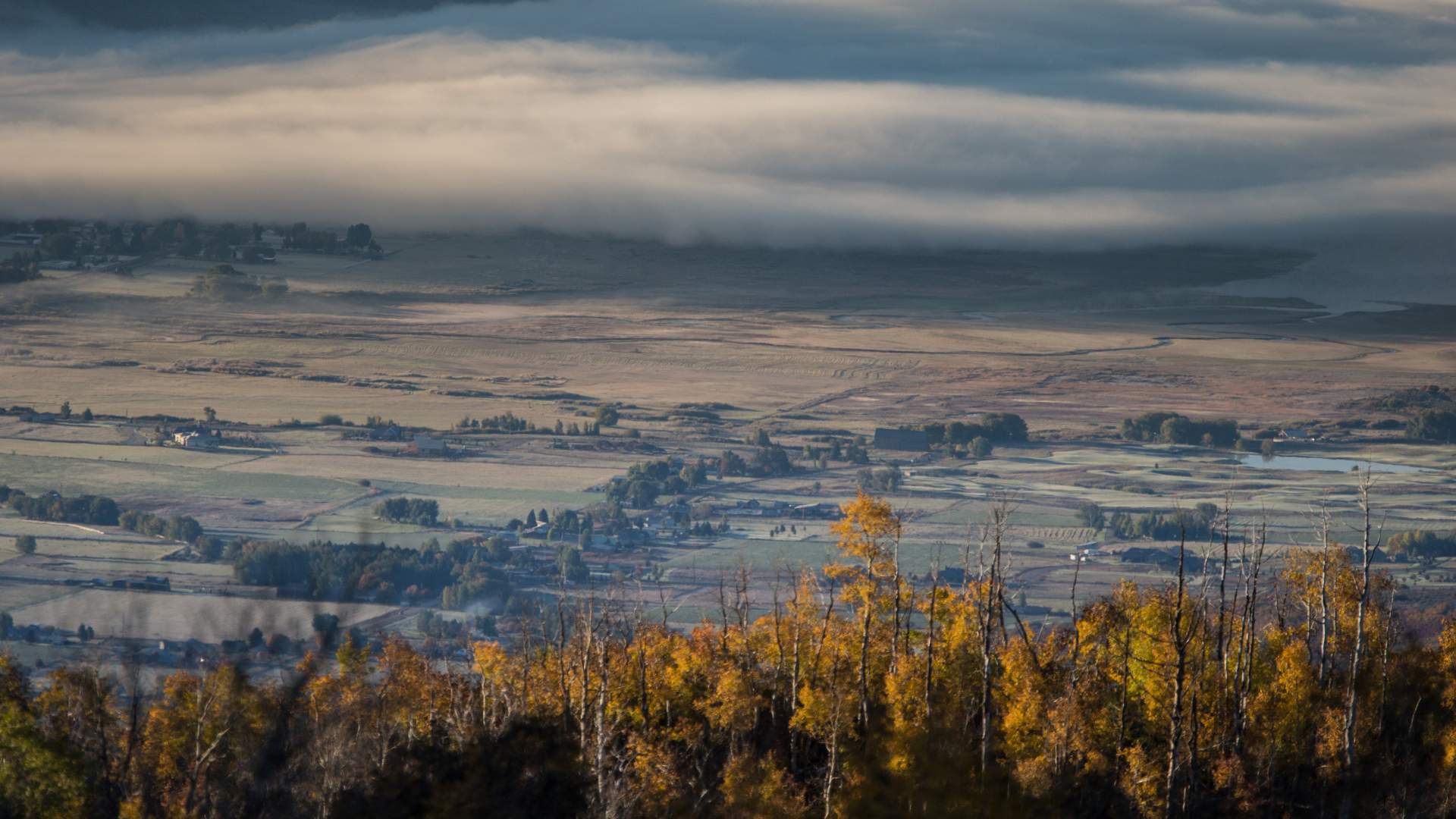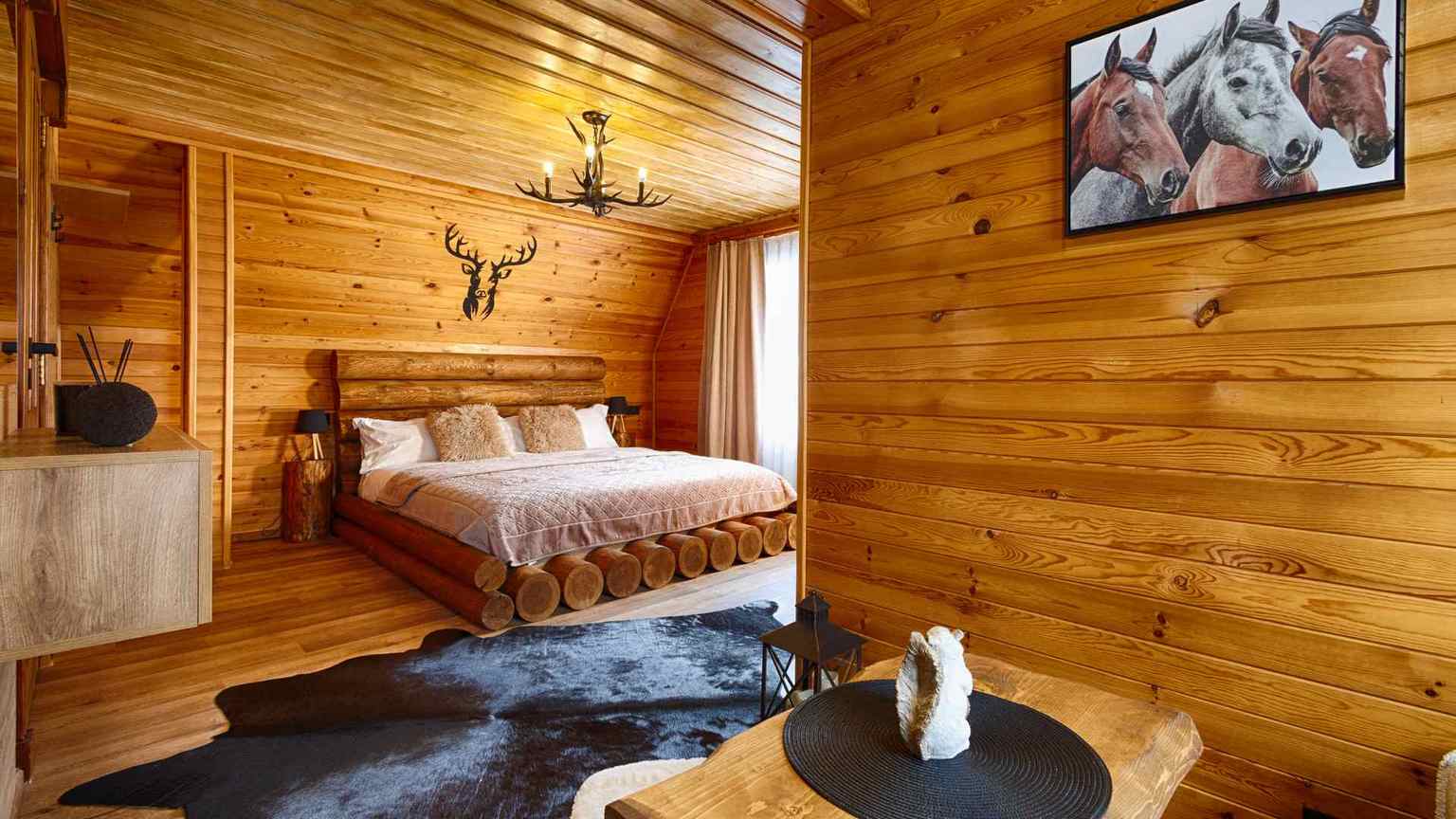
Selling a mountain home in the White Mountains of Arizona is different from selling a typical suburban property. Buyers are not only comparing square footage and price. They are evaluating lifestyle, access, seasonal use, insurance considerations, forest conditions, maintenance needs, and whether the home truly fits the way they want to live.
In 2026, that distinction matters even more. National housing forecasts point to a steadier market, but not necessarily an easy one. Buyers have more options than they did during the tightest inventory years, mortgage rates remain a major affordability factor, and sellers need to be thoughtful about pricing, preparation, and presentation.
For homeowners in Show Low, Pinetop-Lakeside, Heber-Overgaard, Snowflake-Taylor, Vernon, Lakeside, and surrounding White Mountains communities, the best results often come from entering the market with a clear plan. A mountain property can still command strong interest, but today’s buyers are looking closely at value, condition, insurance, and long-term ownership costs.
Start With the Right Pricing Strategy
Pricing is one of the most important decisions a seller will make. In a mountain market, pricing is not only about recent comparable sales. It also depends on location, elevation, lot size, views, road access, garage space, short-term rental potential, furnishings, updates, heating systems, water source, septic condition, and proximity to town amenities.
A cabin tucked into the pines near Pinetop-Lakeside may attract a different buyer than an acreage property near Vernon or a full-time residence in Show Low. Even homes with similar square footage can perform very differently depending on usability, year-round access, neighborhood restrictions, and maintenance history.
In 2026, sellers should be careful not to rely on peak-market assumptions. Buyers are more selective, and overpricing can lead to longer days on market, price reductions, and weaker negotiating leverage. A well-priced home can still create urgency, especially when it is clean, well-presented, and easy for buyers to understand.
Understand What Today’s Buyers Are Watching
Mountain home buyers often fall into several groups: full-time residents, retirees, second-home buyers, remote workers, investors, and families looking for a seasonal escape. Each group may value different features, but most are asking similar questions before making an offer.
They want to know whether the home is easy to maintain, whether the heating and cooling systems are reliable, whether the roof has life left, whether the property is insurable, whether roads are accessible in winter, and whether the home is close enough to medical care, shopping, schools, trails, lakes, or community services.
Many buyers are also more cautious about monthly costs. Mortgage payments, insurance premiums, taxes, utilities, repairs, and possible HOA fees all affect affordability. Sellers who can provide clear, organized information help reduce buyer uncertainty and make the home feel easier to purchase.
Prepare the Home Before the First Showing
Preparation matters. Mountain buyers are often drawn in by emotion, but they still evaluate condition carefully. Before listing, sellers should walk through the home from a buyer’s perspective and look for anything that may raise concern.
Common preparation items include servicing HVAC or heating systems, checking fireplaces and wood stoves, cleaning gutters, addressing roof or drainage issues, touching up paint, repairing loose deck boards, improving lighting, clearing clutter, and making sure exterior areas look cared for.
For cabins and second homes, sellers should also pay attention to signs of deferred maintenance. Buyers may worry about properties that appear unused, under-maintained, or difficult to manage from a distance. A clean, functional, well-documented property helps build confidence.
Do Not Ignore Insurance Questions
Insurance has become a more important part of the selling conversation in many forested and rural markets. In the White Mountains, buyers may ask about wildfire exposure, defensible space, roof materials, access roads, nearby hydrants or fire services, and whether the property has had any insurance challenges.
Sellers do not need to solve every insurance question before listing, but they should be prepared. Simple steps such as clearing pine needles from roofs and gutters, trimming vegetation near the structure, removing debris, and improving visible defensible space can make the property feel better cared for.
It is also helpful to gather any information buyers may request, such as current insurance details, utility providers, HOA contacts, fire district information, and maintenance records. A buyer who can get answers quickly is more likely to stay engaged through the offer and inspection process.
Make the Mountain Lifestyle Easy to See
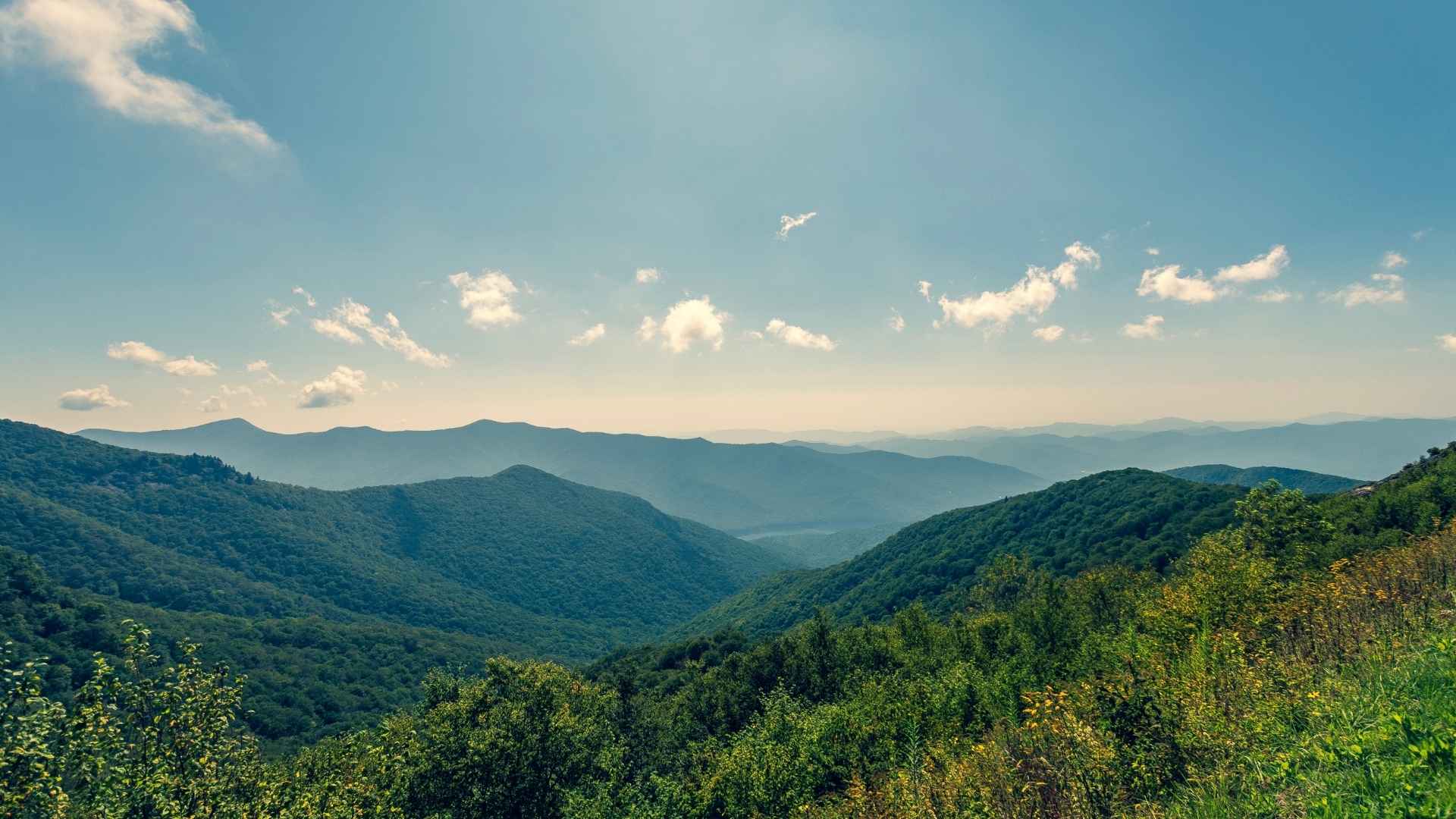
One of the biggest advantages of selling in the White Mountains is the lifestyle. Buyers are often looking for cooler summers, tall pines, open skies, lakes, trails, wildlife, golf, skiing, fishing, privacy, or a quieter pace of life.
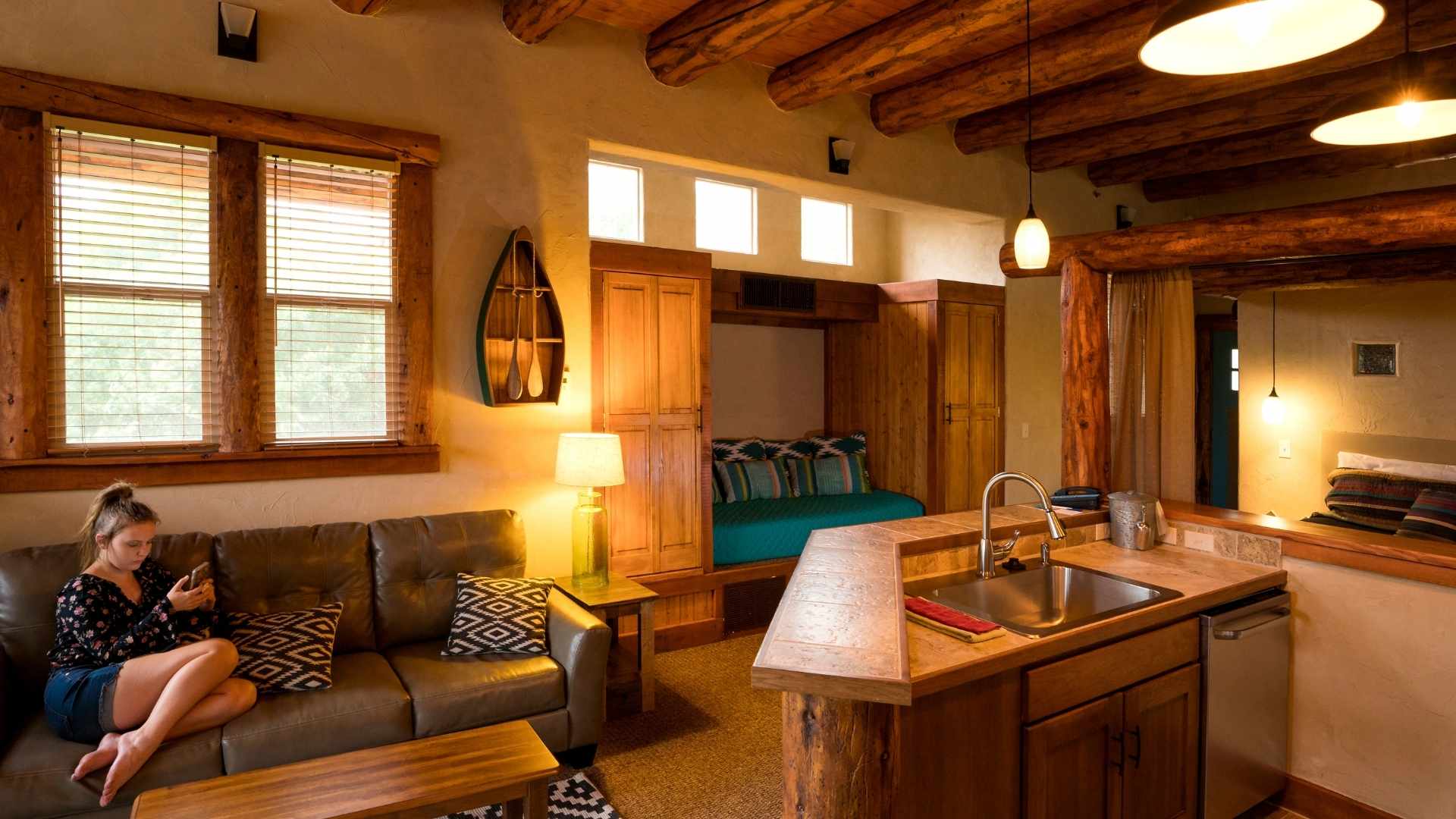
Marketing should help buyers picture that lifestyle. Strong photography, thoughtful listing copy, and accurate local positioning can make a major difference. Instead of only listing features, the presentation should explain how the home lives.
For example, a covered deck is not just a covered deck. It may be the place for morning coffee during monsoon season, summer dinners in the pines, or quiet evenings after a day at the lake. A large garage may appeal to buyers with ATVs, kayaks, fishing gear, tools, or winter equipment. A flexible loft may be useful for guests, remote work, or grandkids.
Highlight Practical Details Buyers Care About
Beautiful photos get attention, but practical details help buyers make decisions. Mountain and rural buyers often want more information than a standard listing provides.
Important details may include whether the property is on sewer or septic, whether it has private water, shared well, hauled water, or municipal water, what type of heating is used, whether roads are publicly or privately maintained, whether there is an HOA, whether short-term rentals are restricted, and whether internet service is available.
The more clearly these details are presented, the easier it is for qualified buyers to move forward. A well-informed buyer is less likely to be surprised later in the transaction.
Expect More Negotiation Than the Peak Market
Many sellers still hope for quick offers and strong pricing, and well-positioned homes can still perform well. However, the 2026 market is more balanced than the most competitive years. Buyers may ask for repairs, closing cost assistance, rate buydowns, furnishings, home warranties, or other concessions.
This does not mean sellers need to give everything away. It does mean they should know their priorities before offers arrive. Some sellers care most about price. Others value certainty, fewer contingencies, a flexible closing date, or a buyer who is already financially prepared.
Strong negotiation begins before the offer. Accurate pricing, clean presentation, organized documentation, and clear communication all help protect the seller’s position.
Consider the Timing of Your Listing
In the White Mountains, timing can influence buyer activity. Spring and summer often bring more visitors, second-home shoppers, and buyers who want to enjoy the area during warmer months. Fall can also be attractive, especially for buyers drawn to cooler weather, changing colors, and holiday-season cabin use.
That said, the right timing depends on the property and the seller’s goals. A full-time residence in Show Low may follow different patterns than a seasonal cabin in Pinetop or a rural acreage home outside town. The best listing window should consider property condition, photography, market inventory, buyer demand, and the seller’s next move.
Work With Local Experience
Selling a mountain property requires more than placing a sign in the yard. Local experience matters because buyers often have questions that are specific to the White Mountains lifestyle and rural Arizona ownership.
A knowledgeable local real estate team can help position the property, identify likely buyer concerns, compare the home against current competition, prepare the listing for stronger presentation, and guide negotiations with practical insight.
For sellers, the goal is not simply to list the home. The goal is to create confidence. When buyers understand the property, trust the information, and see the value clearly, they are more likely to take the next step.
Final Thoughts
Selling a mountain home in 2026 is still an excellent opportunity for well-prepared homeowners, but success requires strategy. Buyers are active, but they are also thoughtful. They want lifestyle, value, condition, insurability, and clarity.
Before listing your White Mountains property, take time to review pricing, condition, documentation, insurance considerations, and the story your home is telling online. With the right preparation and local guidance, your property can stand out in a market where buyers are looking carefully before they commit.
If you are considering selling a home, cabin, or acreage property in Show Low, Pinetop-Lakeside, Heber-Overgaard, Snowflake-Taylor, Vernon, or the surrounding White Mountains communities, connect with a local real estate professional who understands how to position mountain properties for today’s buyers.