Arizona’s housing market is as diverse as its landscapes. In 2025, the contrasts between the White Mountains region and the state’s urban hubs—Phoenix and Tucson—are more pronounced than ever. From climate and lifestyle to home prices and investment potential, each market offers something different. Here’s how the White Mountains stack up against Arizona’s big cities.
1. Climate and Lifestyle
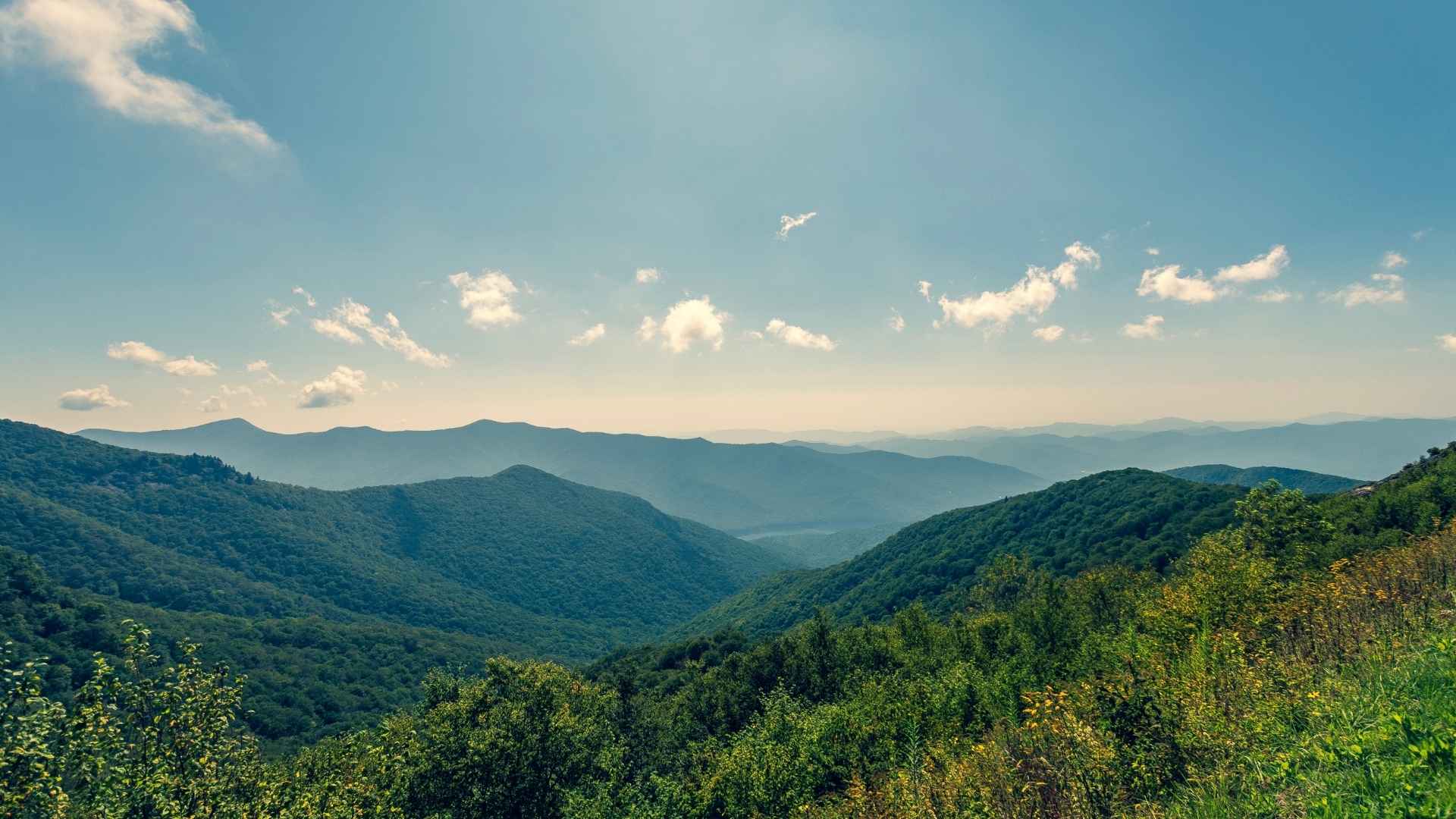
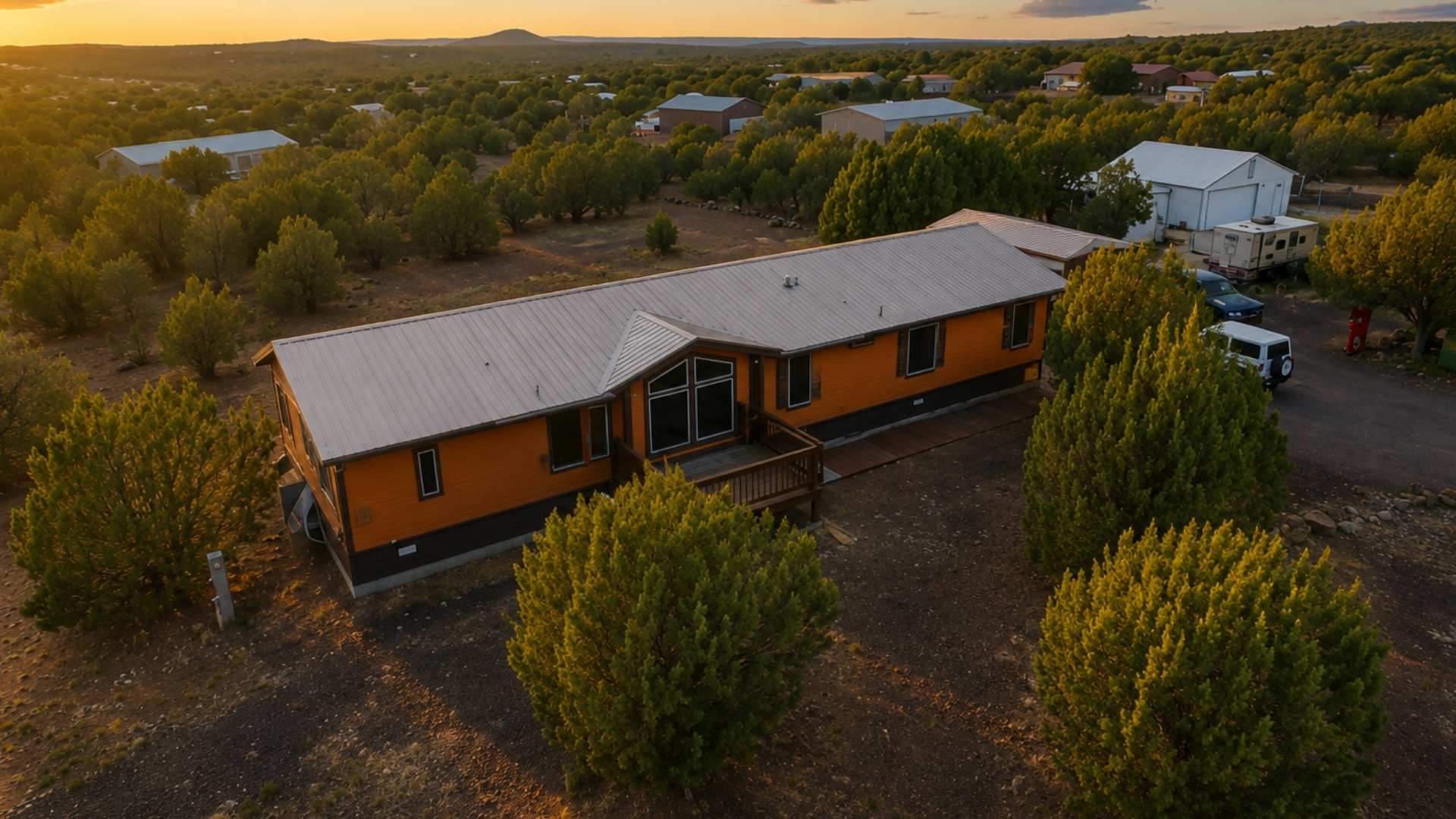
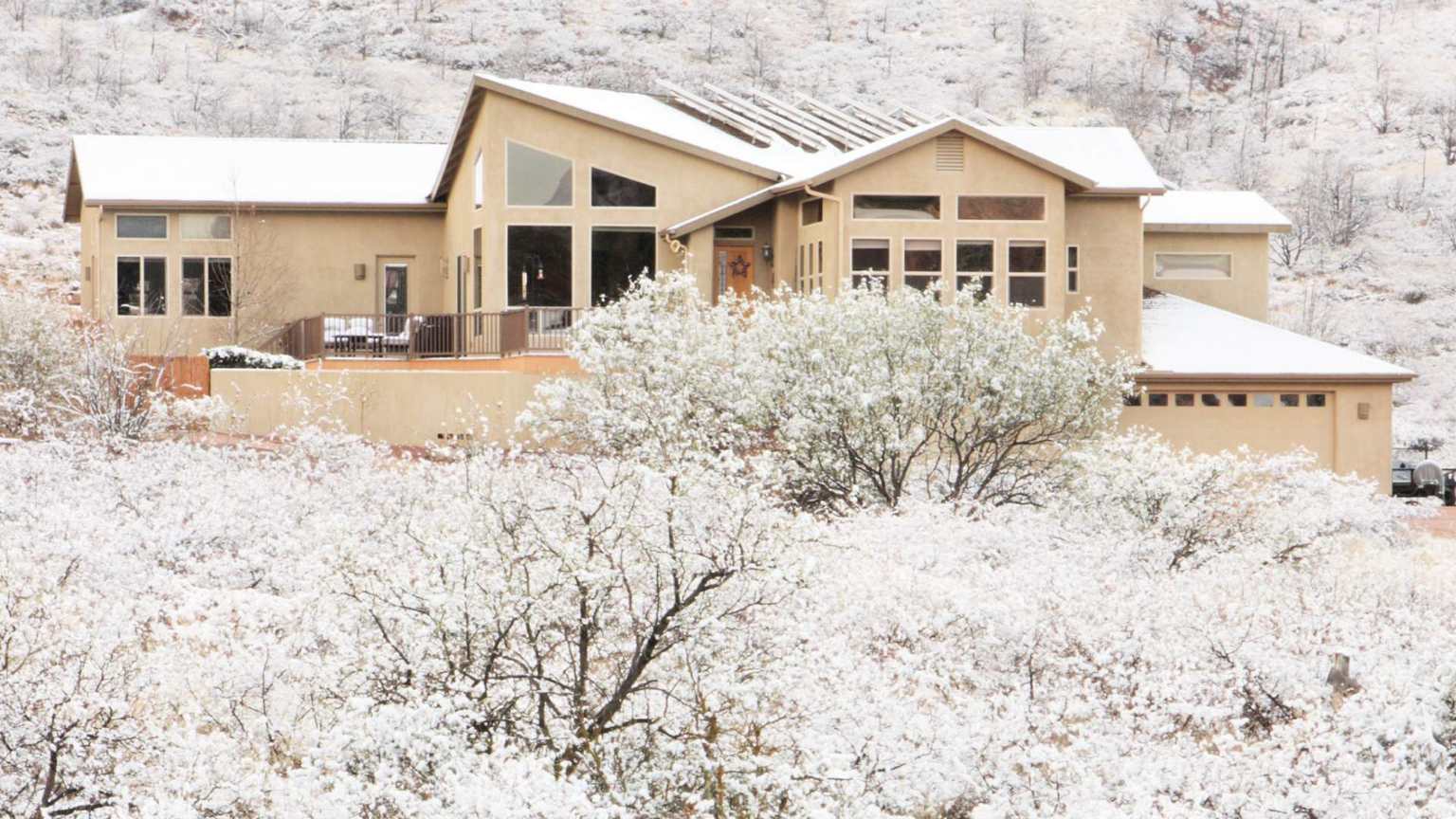
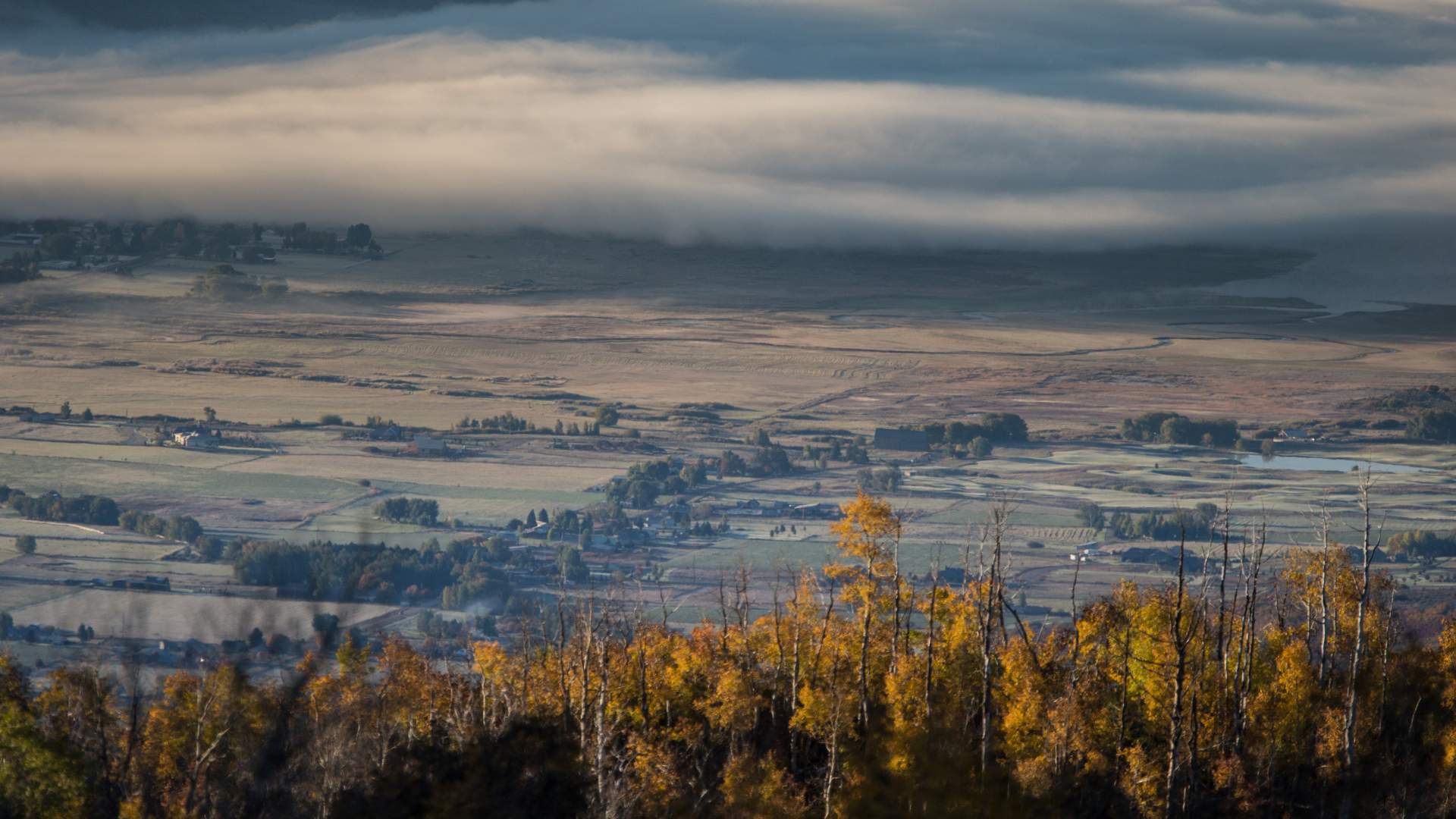
White Mountains: At elevations between 6,500 and 9,000 feet, this region offers cooler summers, snowy winters, and four distinct seasons—ideal for those who want year-round variety. Outdoor recreation, small-town living, and slower-paced days are part of the draw.
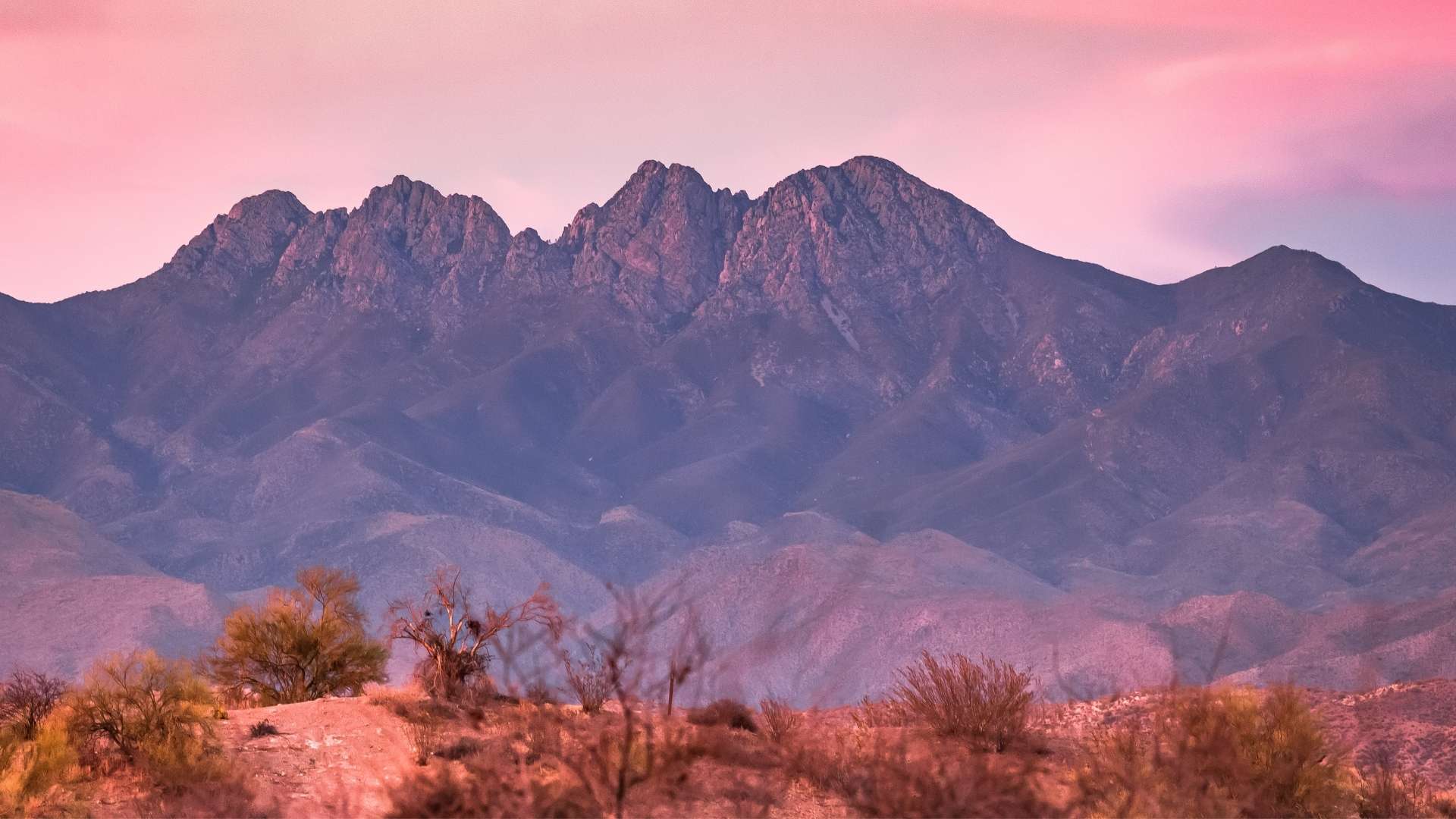
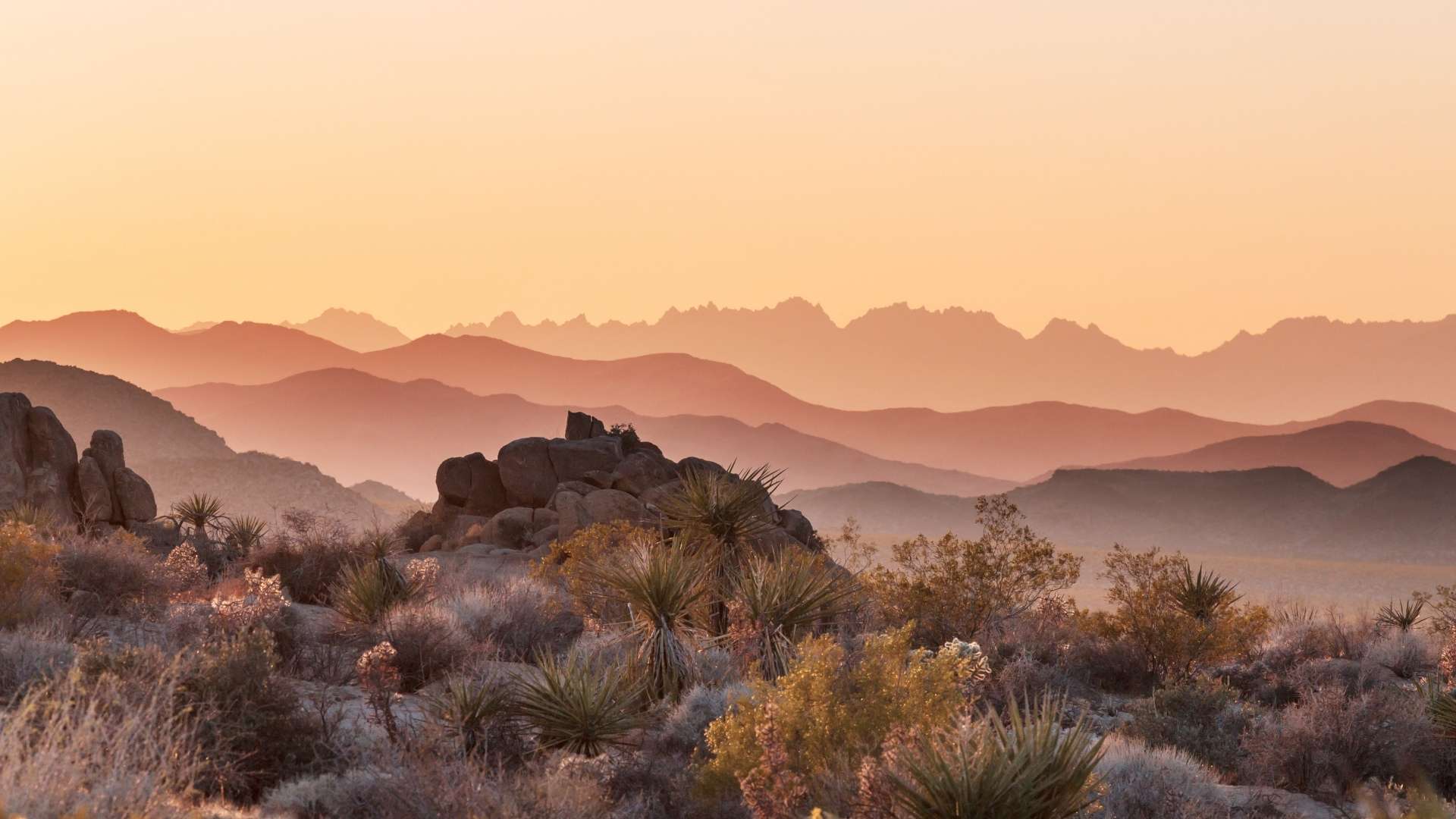
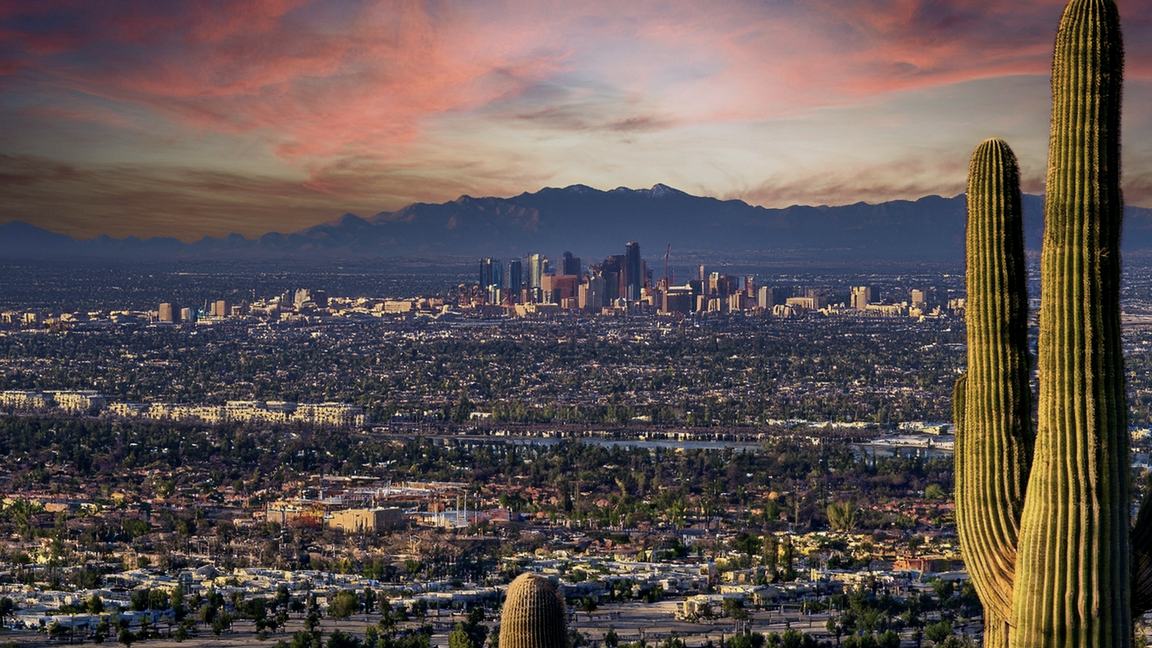
Phoenix & Tucson: These metro areas deliver year-round warmth and sunshine, but also scorching summer highs often exceeding 105°F. While amenities, nightlife, and cultural attractions abound, many residents seek seasonal escapes from the heat.
2. Home Prices and Value
White Mountains: Buyers can often get more square footage and land for their money compared to urban markets. While prices have risen steadily, they remain competitive, making the area appealing to both first-time buyers and second-home seekers.
Phoenix & Tucson: Strong demand, rapid population growth, and limited developable land in some neighborhoods have pushed prices significantly higher. Entry-level homes are harder to find, and bidding wars are more common in desirable areas.
3. Inventory and Competition
White Mountains: Inventory is tighter than in past years but generally sees less buyer competition compared to Phoenix or Tucson. Seasonal fluctuations can influence listing availability, with spring and summer seeing the most activity.
Phoenix & Tucson: Larger inventories exist, but homes in popular neighborhoods can sell within days. Investor activity and corporate purchases also add pressure for everyday buyers.
4. Investment Potential
White Mountains: Strong short-term rental demand exists in towns like Pinetop-Lakeside, Show Low, and Greer, fueled by seasonal tourism. Long-term appreciation is supported by growing interest in remote work and lifestyle relocations.
Phoenix & Tucson: Urban rentals remain in high demand, especially for long-term leases. Appreciation has been robust, but higher entry costs can make cash flow more challenging without substantial down payments.
5. Quality of Life Factors
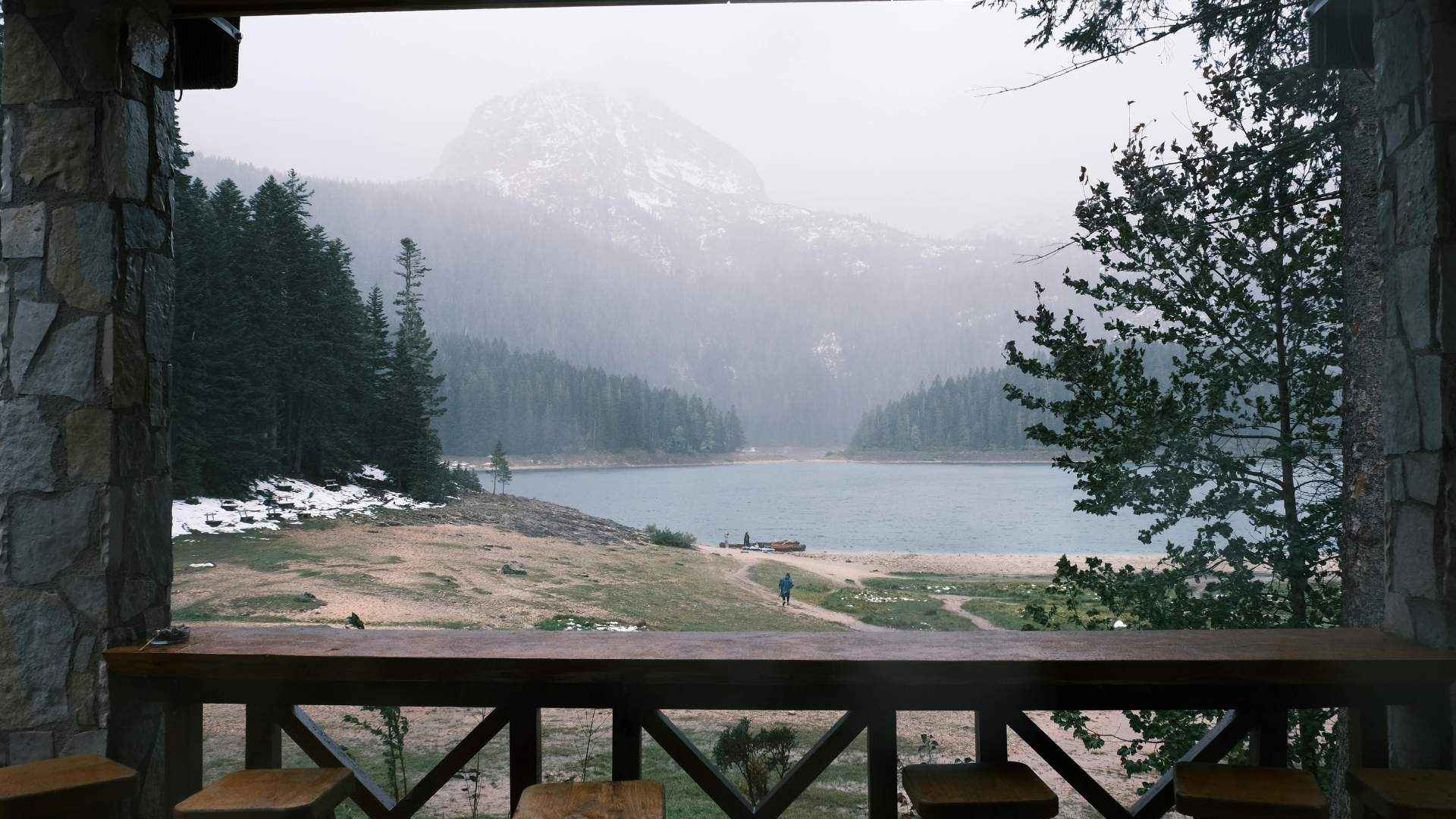
White Mountains: Less traffic, cleaner air, tight-knit communities, and easy access to nature make it an appealing choice for those prioritizing quality of life over proximity to large-scale amenities.
Phoenix & Tucson: Proximity to universities, major employers, airports, and healthcare networks appeals to professionals, students, and retirees who prefer urban convenience.
Both the White Mountains and Arizona’s urban centers have unique strengths. If you’re seeking space, four-season living, and a slower pace, the high country delivers exceptional value. For those who thrive on fast-paced city life, cultural events, and year-round warmth, Phoenix and Tucson may be the better fit. Understanding the differences can help you choose the lifestyle—and the investment—that’s right for you.