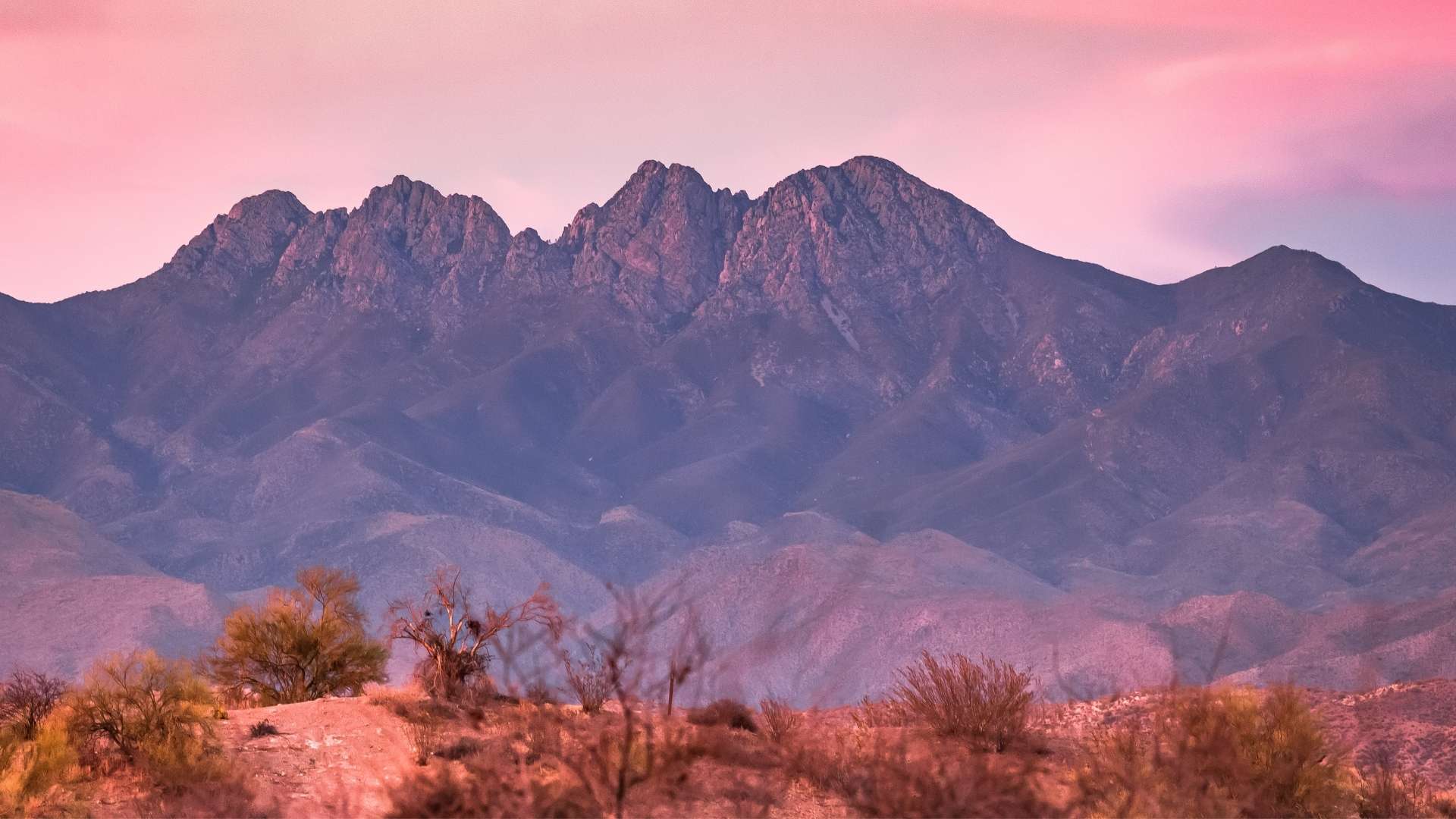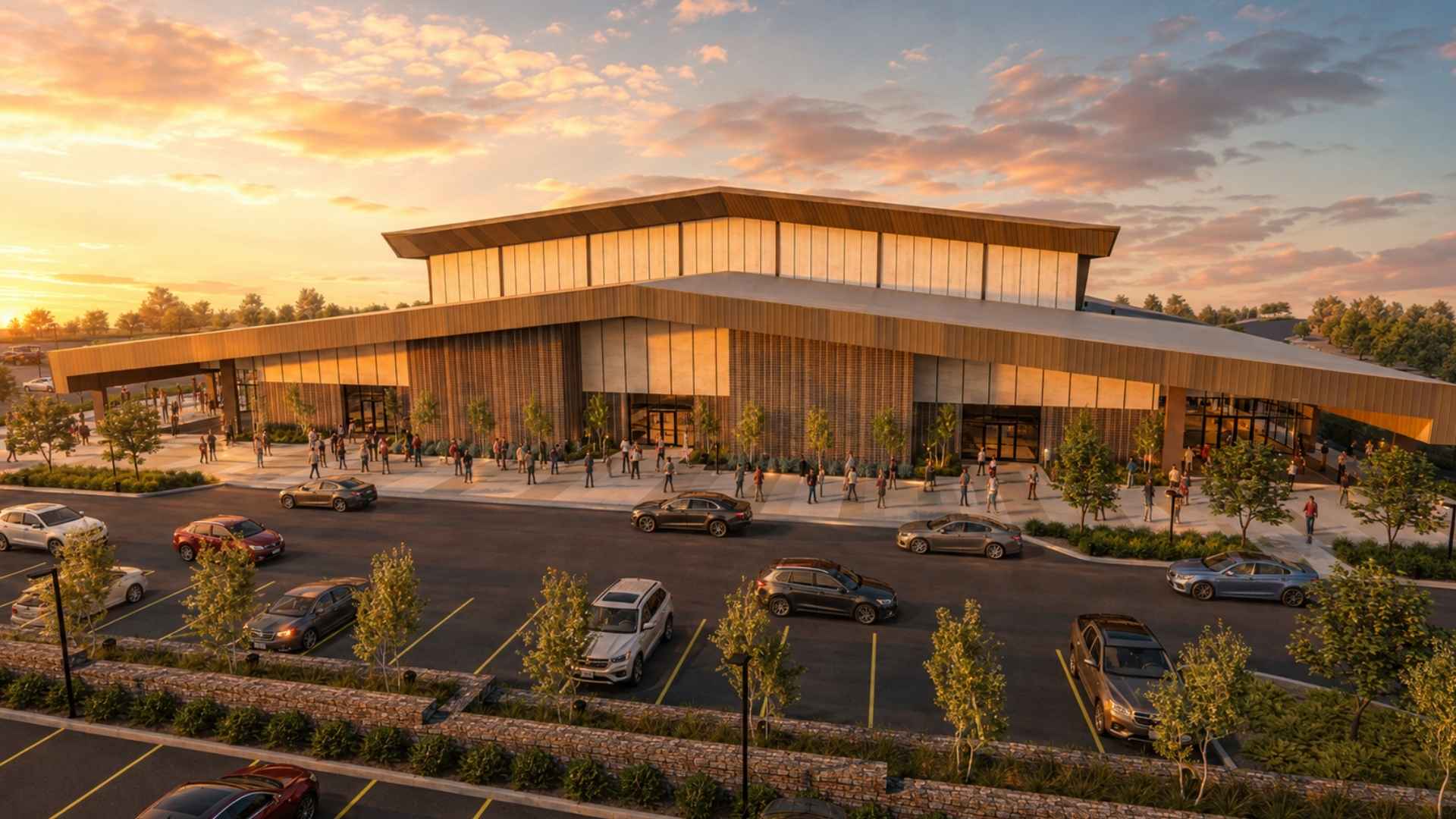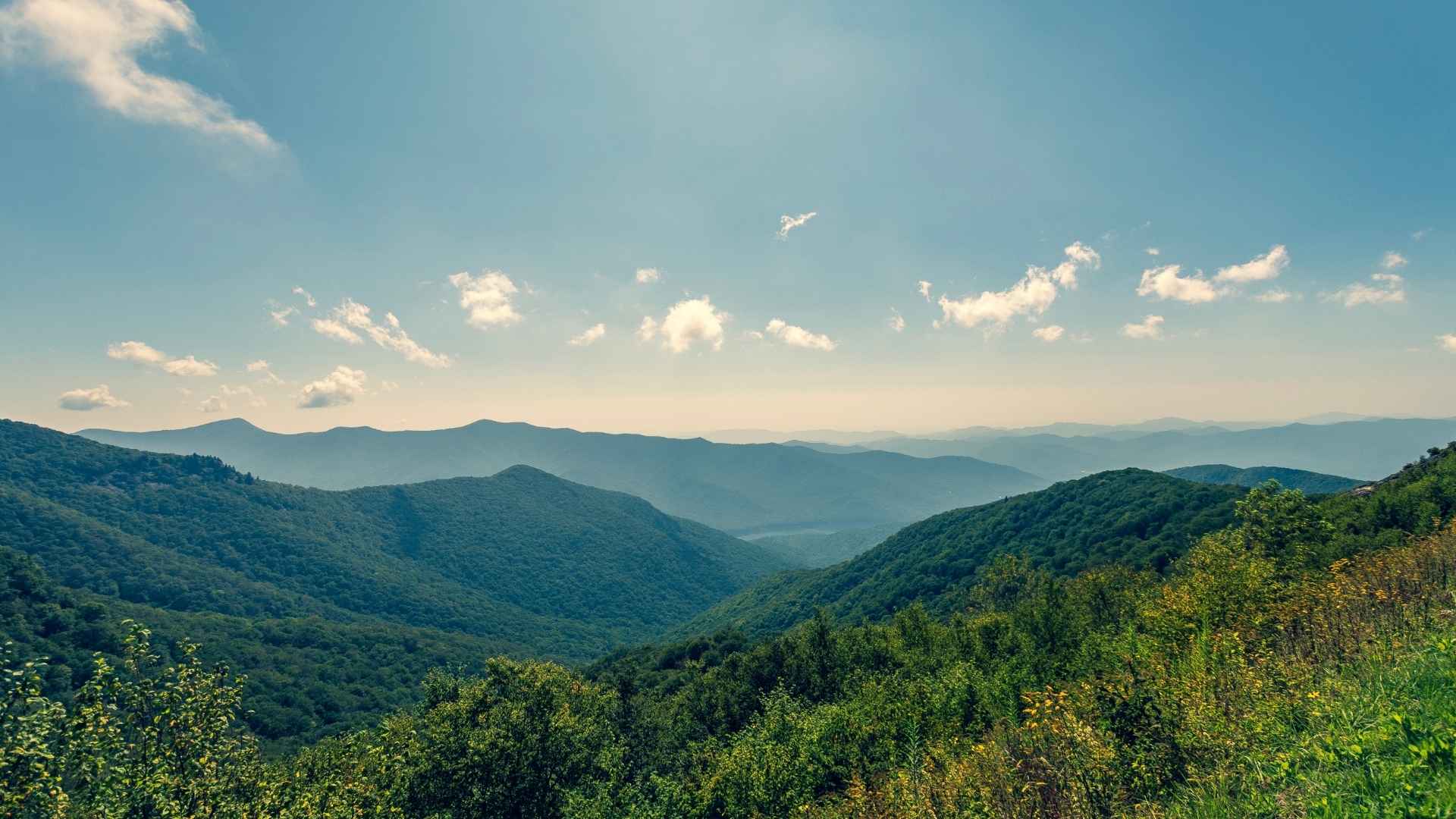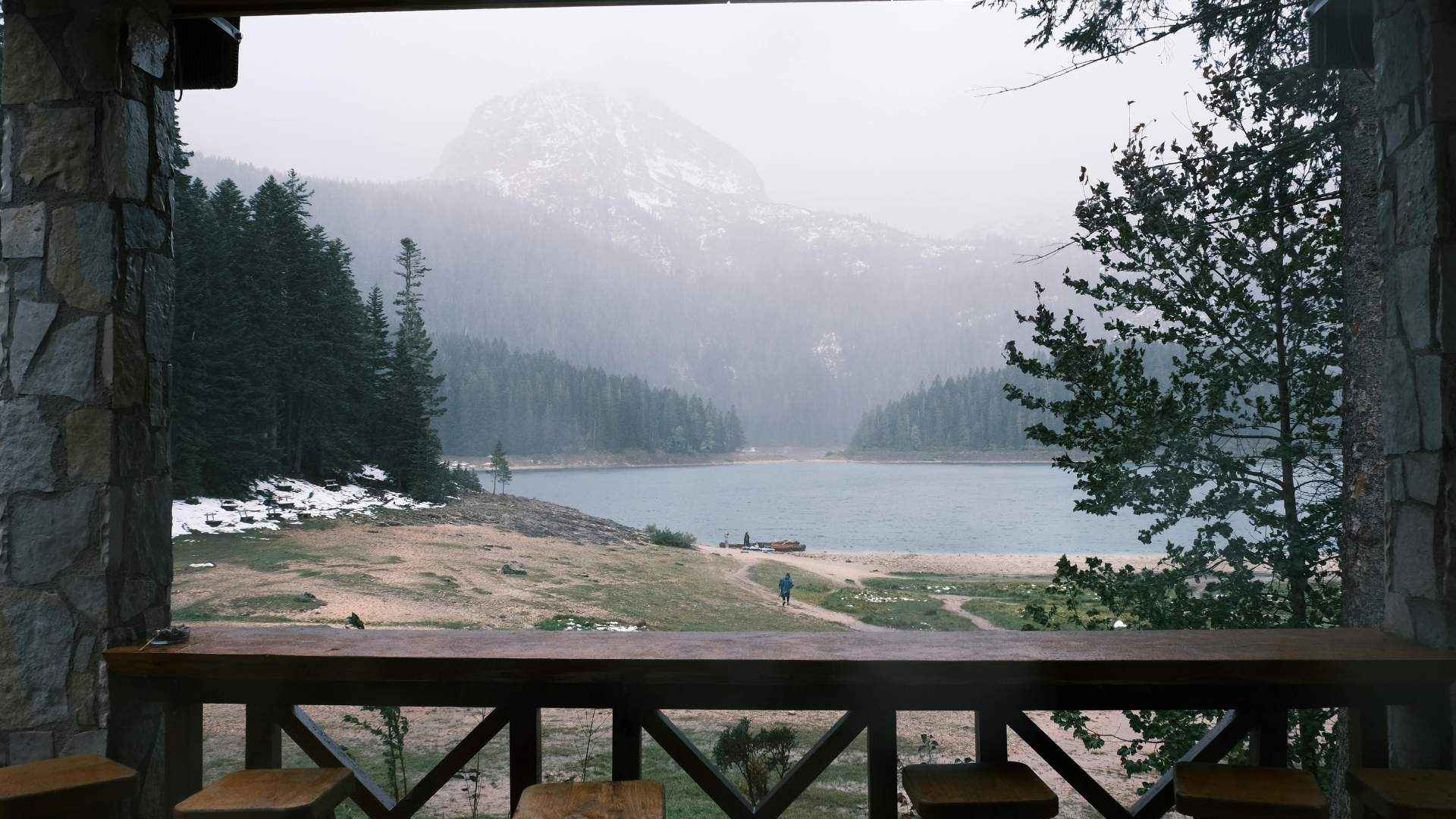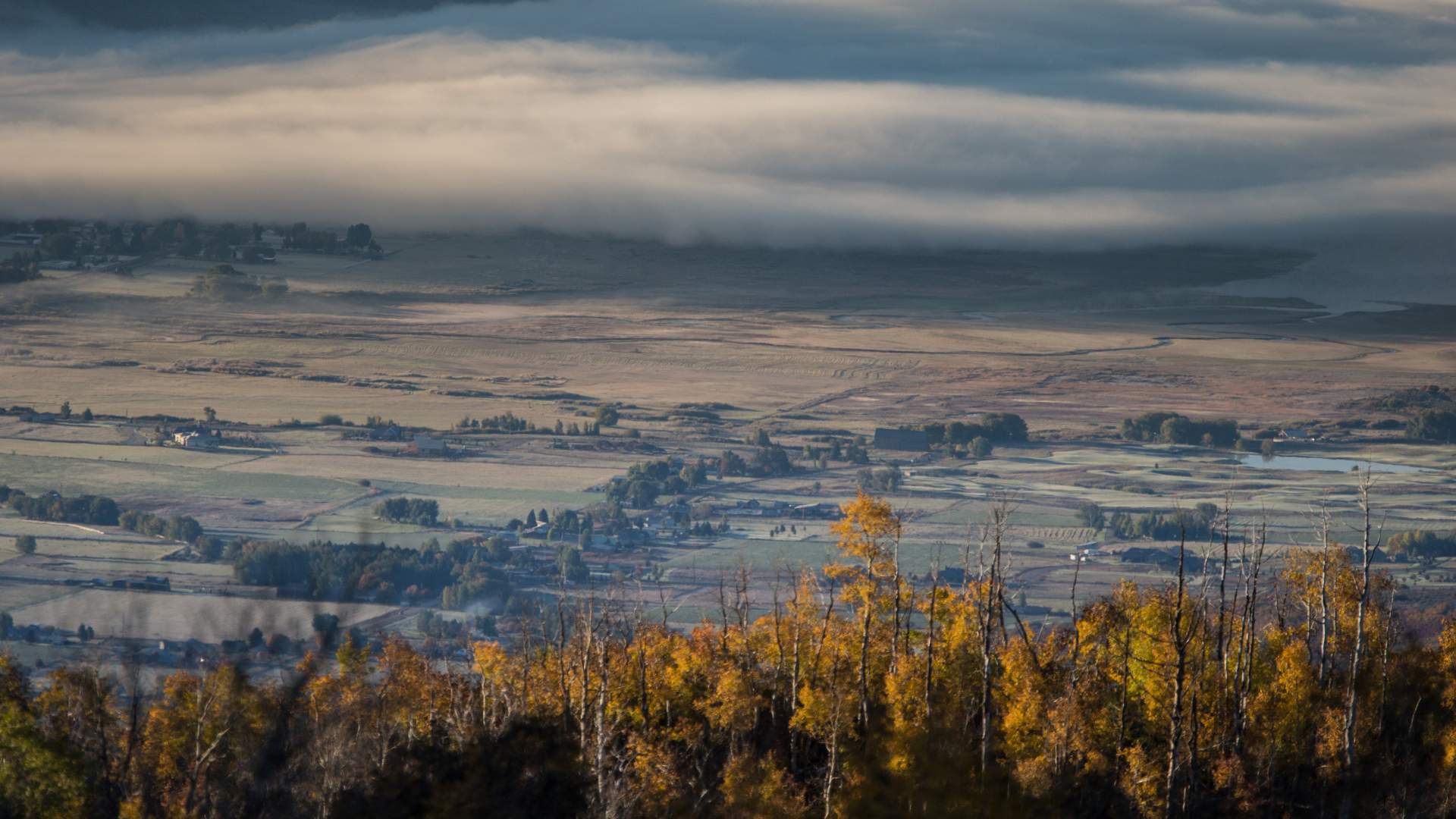
After a few years of slower movement following the post-pandemic buying surge, Arizona’s White Mountains are back in the spotlight. Once considered primarily a summer retreat for Phoenix and Tucson residents, the region has evolved into a thriving year-round destination — and buyers are noticing.
In 2025, Show Low, Pinetop-Lakeside, Heber-Overgaard, and the surrounding Navajo and Apache County communities are seeing renewed interest from both investors and families seeking a better balance of lifestyle, value, and natural beauty. It’s not just nostalgia driving the cabin comeback — it’s a combination of remote work flexibility, improved infrastructure, and a growing desire for space and self-reliance.
A Lifestyle Rooted in Space and Simplicity
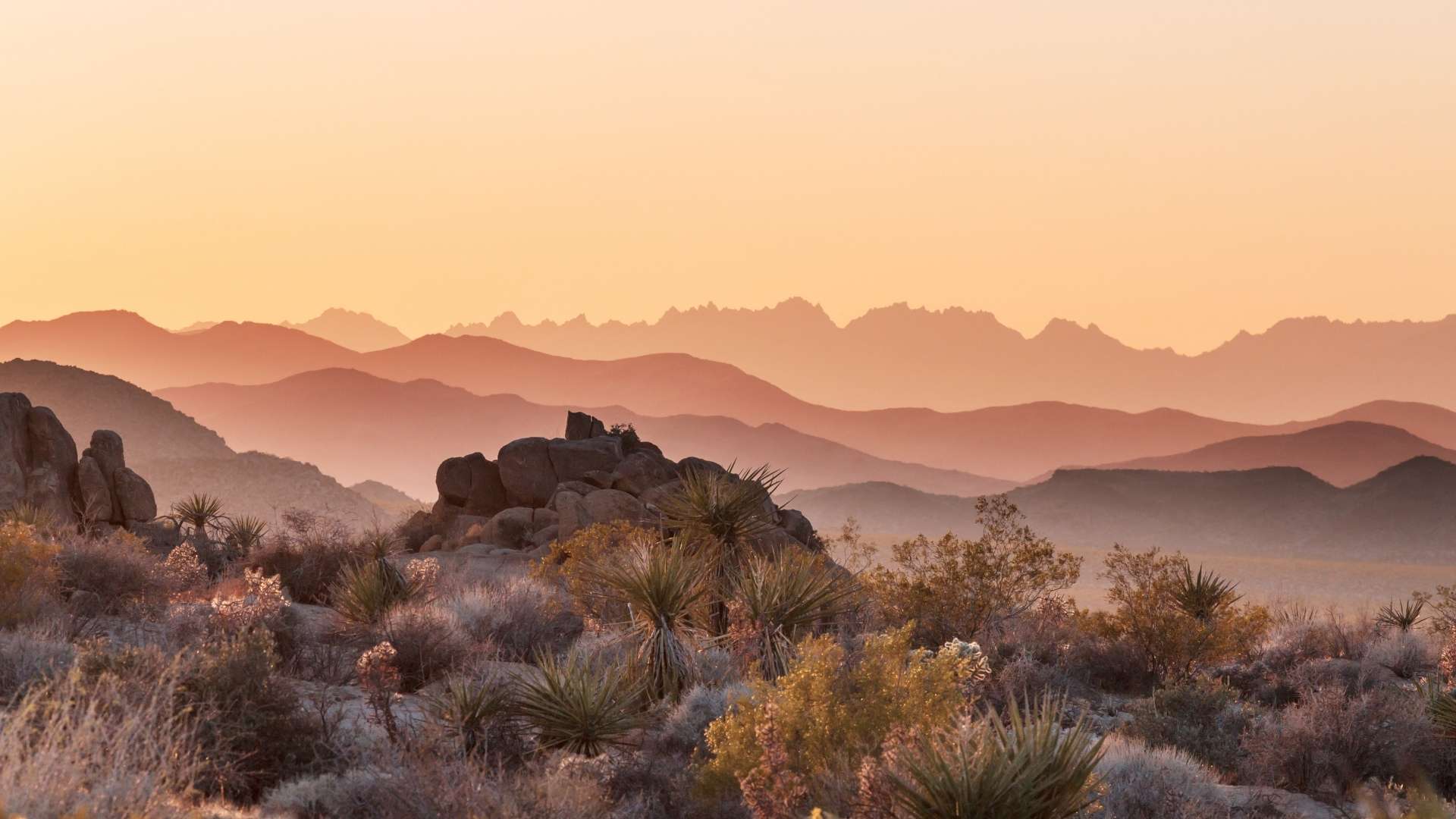
The biggest appeal of Arizona’s mountain towns has always been what they don’t have — no urban sprawl, no crowded highways, and no endless concrete. Instead, residents enjoy fresh pine air, open skies, and the freedom to step outside into nature at any time of year.
Today’s buyers are prioritizing lifestyle first. Many are professionals who can work remotely several days a week and want a home that doubles as both a retreat and a functional base. The White Mountains check every box: reliable high-speed internet, year-round recreation, and home prices that still make sense compared to urban Arizona markets.
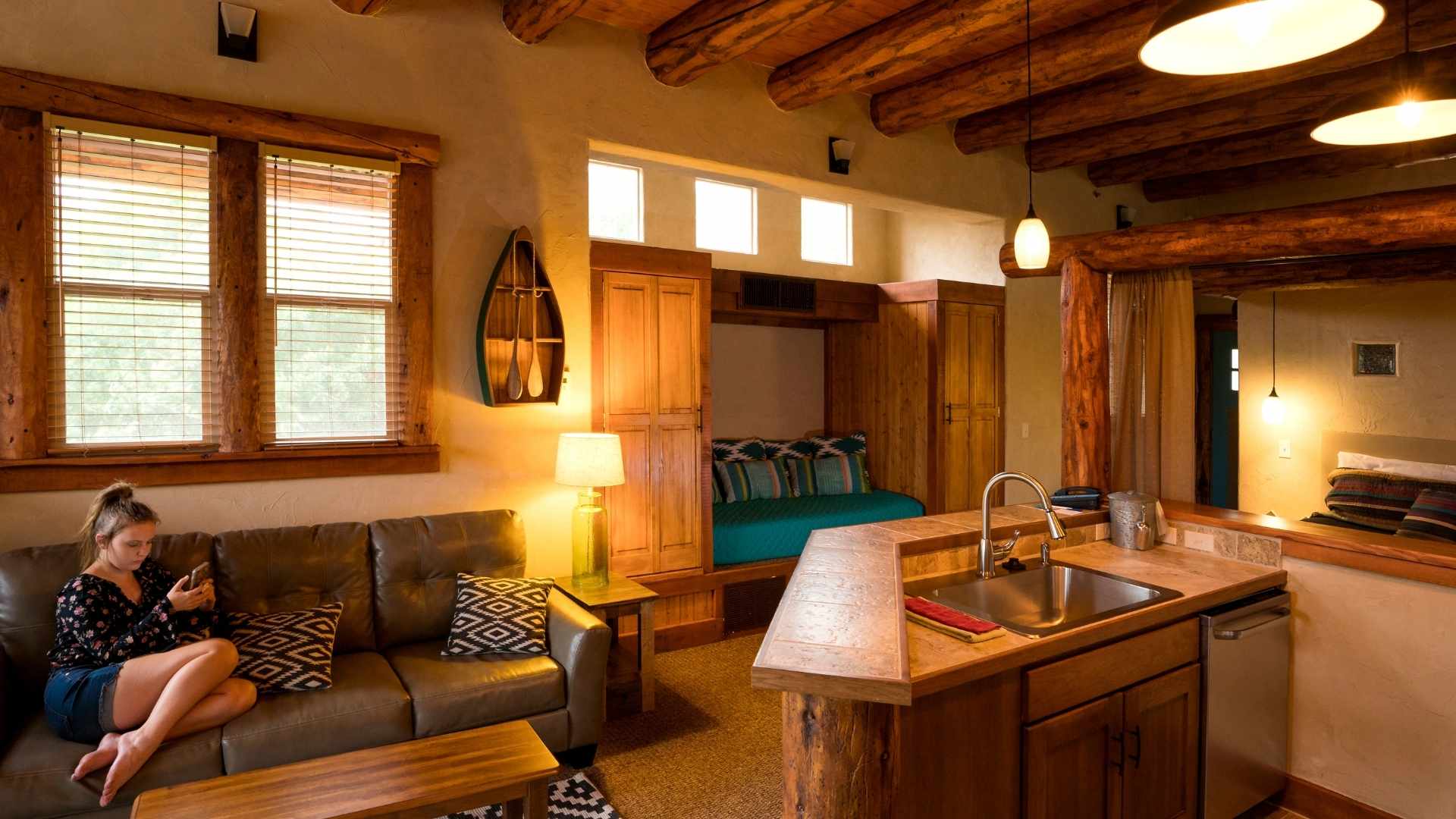
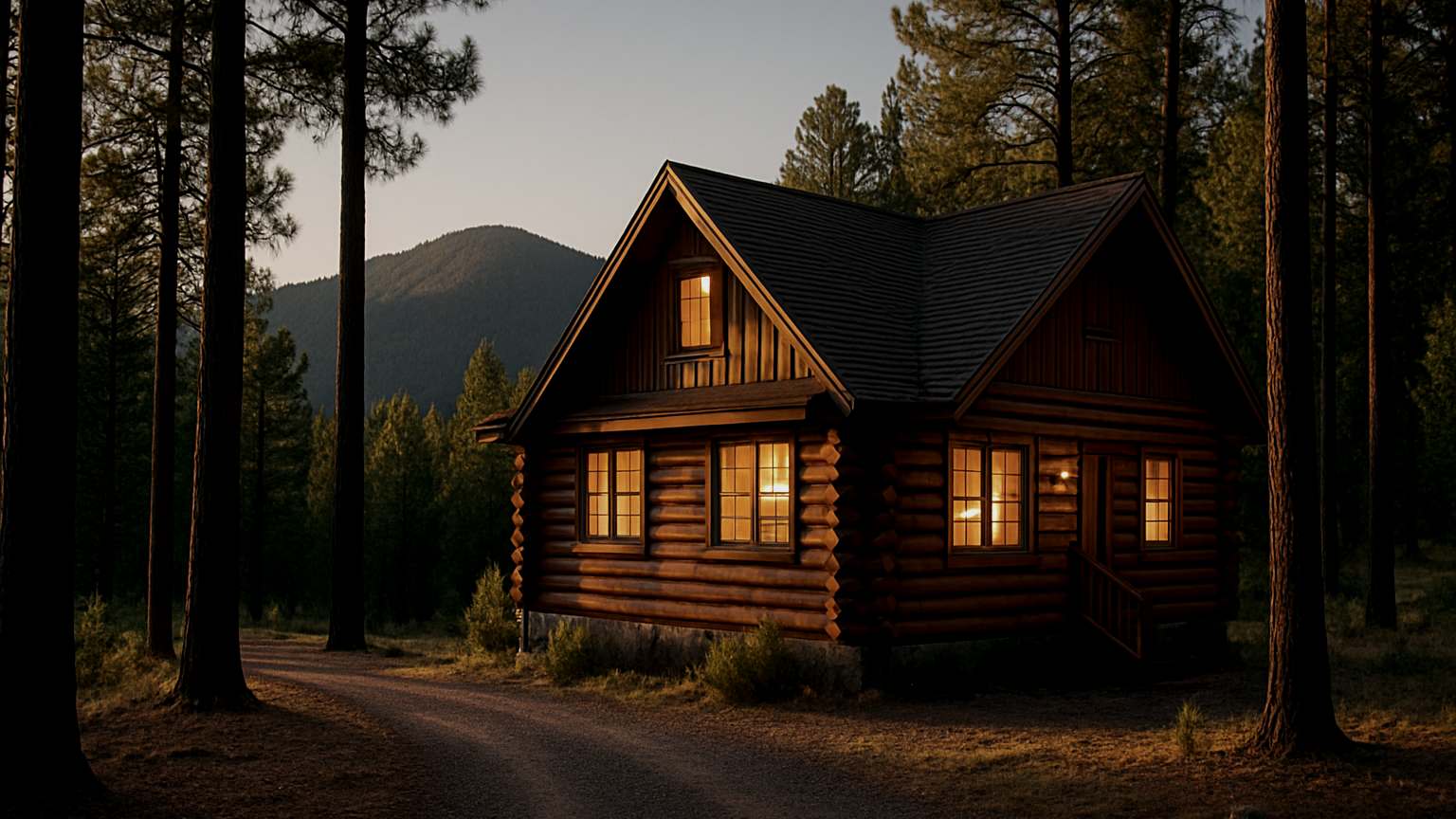
Whether it’s a small log cabin in Heber-Overgaard, a lakeside chalet in Pinetop, or a modern build near Show Low’s amenities, there’s a growing demand for properties that balance comfort with connection to nature.
The Remote Work Effect Continues
Even as offices reopen, hybrid work remains the norm for thousands of Arizonans. That shift has permanently expanded the buyer pool for places once viewed as vacation-only.
Buyers who once hesitated to invest in a second home now see it as an extension of their daily life — a place to work, recharge, and potentially transition into full-time residency later. Communities like Snowflake-Taylor and Vernon have benefited as well, offering acreage and privacy within commuting distance of Show Low’s growing business district.
This trend has reshaped demand. Buyers are prioritizing reliable utilities, strong cell coverage, and good road access just as much as scenery. Homes and cabins that offer these essentials are selling faster and retaining value longer.
Year-Round Recreation Adds Lasting Appeal
For decades, many considered the White Mountains a summer escape from the desert heat. But that perception is changing quickly.
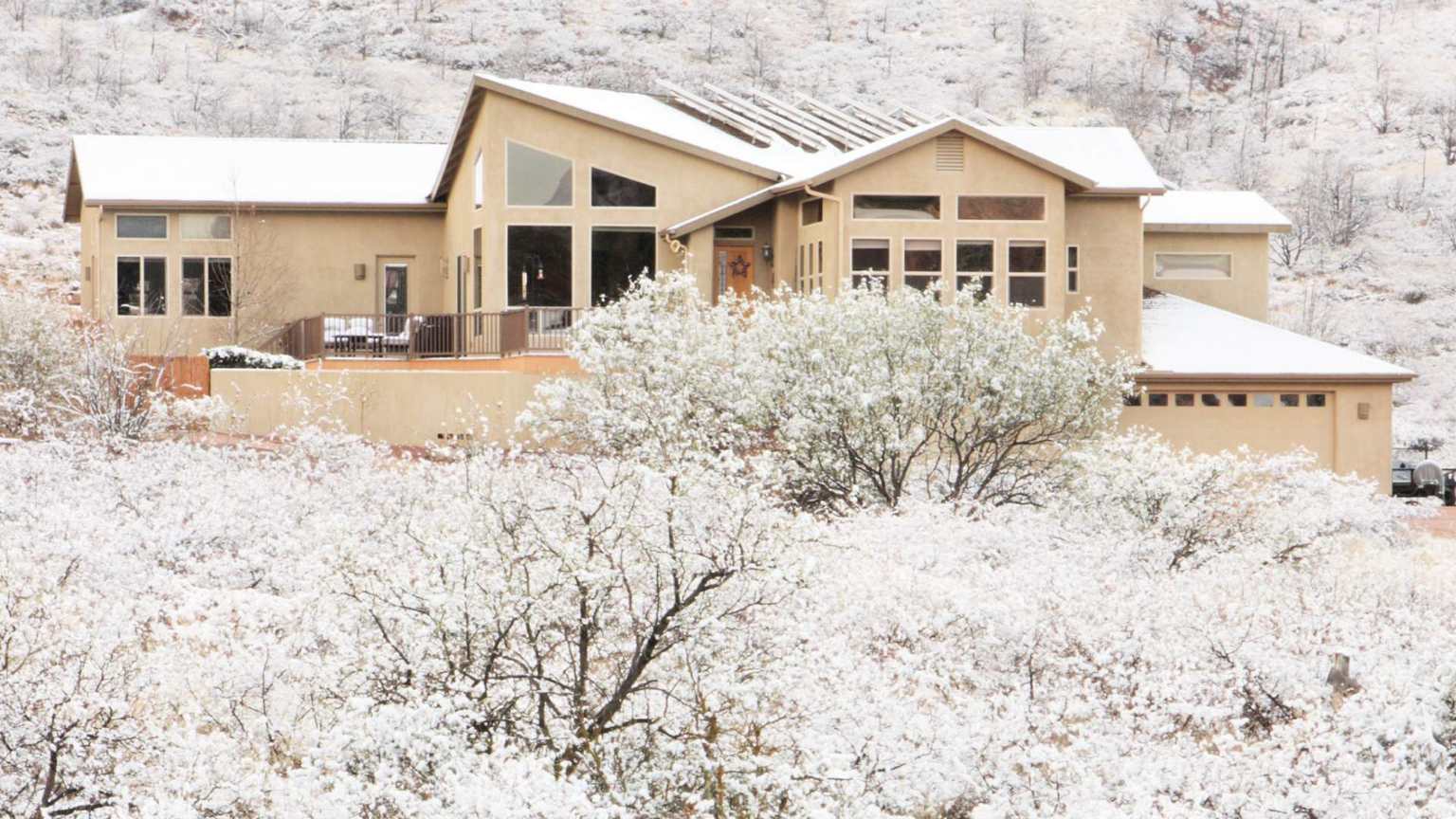
Show Low and Pinetop-Lakeside have invested in year-round recreation infrastructure — hiking, fishing, off-road trails, and winter sports. Sunrise Park Resort, just east of Pinetop, continues to attract visitors in winter and summer alike, boosting local tourism and seasonal rental potential.
As more homeowners use their cabins year-round, the community dynamic has evolved. Seasonal neighborhoods are seeing more permanent residents, while local services and businesses now cater to full-time living rather than just tourism.
The result is a stronger, more sustainable real estate market supported by consistent local activity rather than short seasonal peaks.
Affordability and Value Compared to Urban Markets
Affordability remains a major draw. While home prices across Arizona rose sharply during 2020–2022, the White Mountains still offer exceptional value per square foot.
A well-built three-bedroom cabin on acreage in Heber or Vernon can often be purchased for less than the cost of a small suburban home near Phoenix or Flagstaff. Lower property taxes and minimal HOA restrictions add to the appeal, especially for buyers seeking land ownership or creative development potential.
For investors, rental demand is strong but less volatile than high-density city markets. Families escaping weekend heat waves, retirees testing small-town life, and remote workers all represent consistent interest throughout the year.
Sustainability and Self-Sufficiency on the Rise
Another factor behind the region’s renewed appeal is the growing movement toward self-sufficiency. Buyers increasingly want properties where they can garden, collect rainwater, or even live partially off-grid.
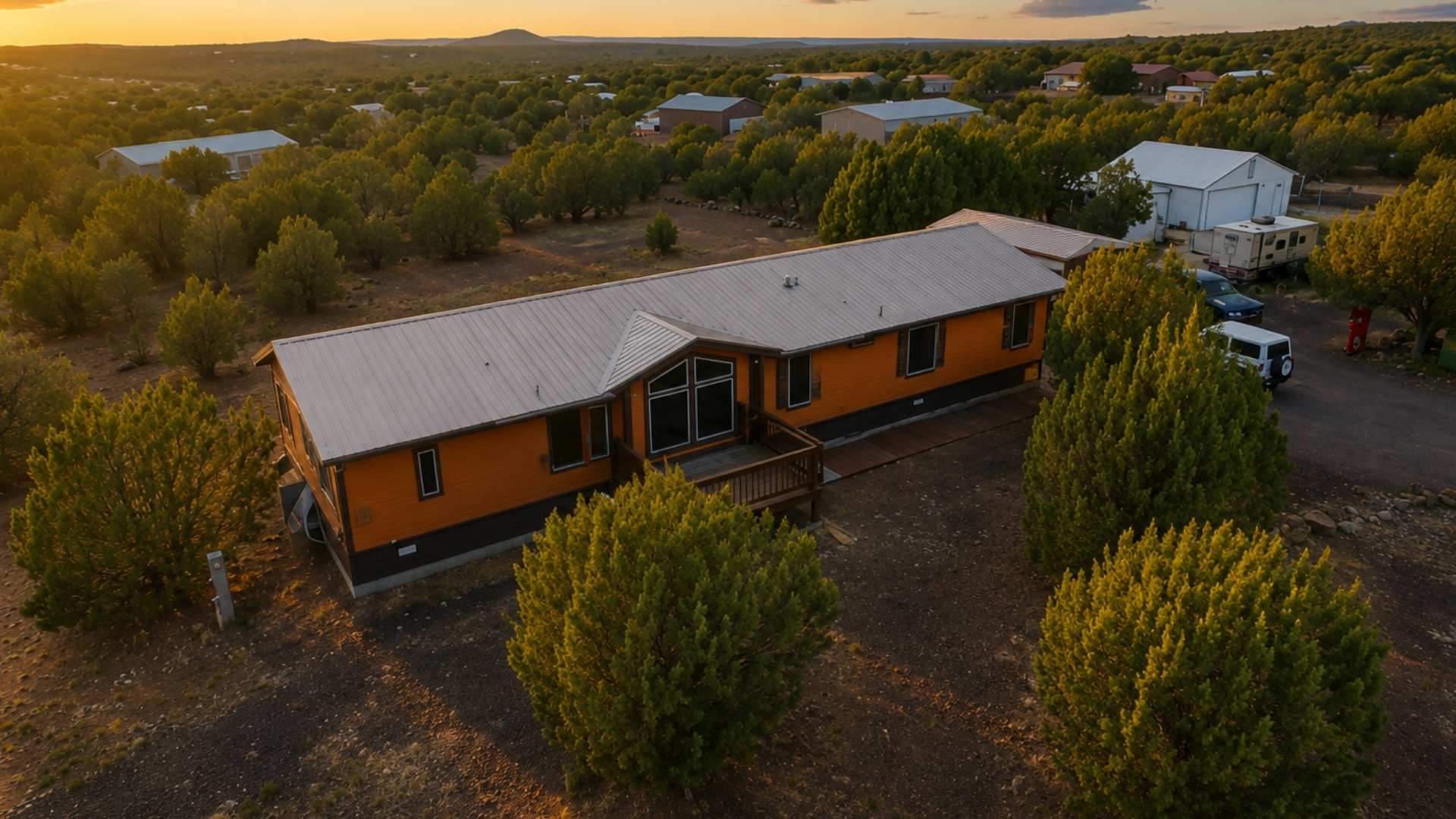
In rural parts of Navajo and Apache counties, it’s common to find acreage properties already set up for solar systems, wells, and workshops. This trend has made land and older cabins with upgrade potential especially desirable.
With water conservation, alternative energy, and sustainable building practices on everyone’s radar, the White Mountains are well positioned as a model for eco-friendly mountain living.
Infrastructure Improvements Drive Confidence
Infrastructure in the White Mountains region has quietly improved over the past few years. Expanded fiber internet, better road maintenance, and upgraded utility grids have made full-time living easier and more dependable.
Show Low continues to see steady retail and healthcare expansion, giving nearby residents access to essential services without long drives. Meanwhile, smaller towns like Snowflake and Taylor are developing their own business corridors and community centers, ensuring rural living doesn’t mean isolation.
For buyers, this infrastructure growth signals long-term stability — the kind of foundation that makes owning property here both practical and rewarding.
Balancing Investment with Enjoyment
One of the reasons the “cabin country” market remains resilient is that buyers genuinely use what they buy. Unlike speculative markets driven by quick resale hopes, the White Mountains attract people who plan to live, work, and relax in their properties.
This authentic demand keeps values steady and communities thriving. Investors who do rent out their cabins often find that repeat guests turn into eventual buyers — a sign of real, lasting demand built on experience rather than hype.
For anyone considering a purchase, it’s important to work with an agent who understands both the lifestyle and the logistics — from septic permits to snowplow routes. The right insight can make the difference between a dream retreat and a frustrating project.
Conclusion
The 2025 White Mountains real estate story is about rediscovery — not of a new market, but of timeless appeal.
Buyers are returning to what matters most: space, nature, and a sense of place. With improving infrastructure, balanced prices, and a lifestyle that feels increasingly rare in today’s world, Arizona’s “cabin country” is once again one of the state’s most desirable destinations to call home.
For anyone ready to trade city lights for starlight, there’s never been a better time to explore the opportunities waiting in Show Low, Pinetop-Lakeside, Snowflake-Taylor, Vernon, and Heber-Overgaard.